
Understanding Synthetics Trading in South Africa
🔍 Understand synthetics trading: Learn how synthetic assets function, their benefits, risks, regulations, and trading strategies tailored for South African investors.
Edited By
Charlotte Mitchell
Day trading is a style of trading where investors buy and sell financial instruments within the same trading day, often closing out all positions before the market closes. Unlike long-term investing, day trading relies on quick decisions, pinpoint timing, and constant monitoring of the markets. For South African investors, understanding the nuts and bolts of day trading is key to navigating local exchanges like the Johannesburg Stock Exchange (JSE) and forex markets effectively.
What day trading involves boils down to exploiting short-term price movements on stocks, foreign exchange (forex), or derivatives. Traders aim to turn small price changes into profits by executing multiple trades daily. This means you need fast access to market data and reliable trading platforms, such as those offered by local brokers like EasyEquities or international platforms that support South African accounts.

Successful day trading demands a solid grasp of market trends, discipline to stick to strategies, and quick reflexes to respond to sudden price shifts.
Technical analysis: Reading charts and using indicators like moving averages, Relative Strength Index (RSI), and candlestick patterns to forecast price directions.
Risk management: Setting stop-loss orders and position sizes to limit potential losses.
Trading platforms: Software with real-time quotes, fast execution speeds, and access to different markets.
South African traders face unique challenges and opportunities. The JSE operates within South African Standard Time (SAST), affecting when trades can happen. Volatility can spike around local economic data releases or political events. Awareness of Eskom’s loadshedding schedules is important since power outages may disrupt trading from home setups.
Risks and rewards: Day trading can be profitable but carries high risks. Margin trading, common among day traders, amplifies both gains and losses. Without strict discipline, traders can see rapid capital depletion. However, with solid strategies, day trading can supplement income or offer growth outside traditional investing.
Getting started wisely means:
Learning market basics and practising with demo accounts.
Choosing a trustworthy broker with transparent fees.
Starting small and refining strategies based on experience.
This primer sets the stage for exploring how South African investors can approach day trading with clear eyes and practical tools.
Day trading means buying and selling financial instruments within the same trading day, aiming to earn profits from short-term price changes. For South African investors, understanding the ins and outs of day trading is key to navigating volatile markets and making decisions that suit their risk appetite and financial goals. Unlike traditional investing where holdings may stretch over months or years, day traders close positions by day’s end to avoid overnight risk.
Day trading focuses on quick, frequent trades rather than holding assets long term. The main objective is to capitalise on small price movements, often leveraging technology and real-time data. Since trades happen rapidly, the aim is not huge gains on a single trade but rather steady profits building up over many transactions. This approach requires discipline, fast decision-making, and a clear strategy.
Successful day traders keep tight control over risk and stick to preset targets, avoiding the temptation to chase losses or ride trends too long.
Trading shares on the Johannesburg Stock Exchange (JSE) is popular among South African day traders. The JSE offers access to equities of companies across sectors like mining, finance, and retail. Liquidity varies between counters, with large-cap stocks such as Naspers and Sasol generally easier to trade quickly due to higher volumes.
A practical benefit of JSE day trading is tight spreads and availability of local market news, which helps traders react fast to company updates, economic releases, or political developments. For example, quick moves often happen around Budget speech days or key commodity price shifts impacting mining firms.
The forex market allows trading of currency pairs like USD/ZAR, EUR/ZAR, or even exotic ones. This market runs 24 hours and is highly liquid, making it attractive for day traders wanting to exploit global news or central bank announcements.
South African traders need to watch the Rand closely. It reacts strongly to local factors such as political changes, SARB interest rate adjustments, and Eskom’s load-shedding status. This volatility can provide opportunities but also raises risks, requiring solid knowledge of forex mechanics and spread costs.
Day traders also engage with commodity futures and derivatives linked to gold, platinum, oil, and other key resources. Commodities derivatives on the JSE or international exchanges offer ways to benefit from price swings without owning the physical goods.
For example, a trader might speculate on platinum futures reacting to shifting mining output or geopolitical tensions affecting oil prices. Derivatives can offer leverage, but this amplifies potential losses, so risk controls are essential. Using these instruments requires understanding contracts, expiry dates, and margin requirements.
Familiarity with these markets and instruments helps South African day traders build a diverse toolkit. Knowing where to find liquidity, how local factors influence prices, and the nature of each asset class improves the chance of consistent success.
Day trading requires a solid set of skills and a deep understanding of market behaviour to navigate the fast-paced environment effectively. Without the right tools in your mental toolbox, you risk reacting emotionally rather than strategically, which can lead to substantial losses. Developing key skills such as market analysis, discipline, and risk management helps traders respond confidently to market swings and make informed decisions.
Technical analysis forms the backbone of most day traders’ strategies. It involves studying past market data—mainly price and volume—to predict future price movements. Unlike fundamental analysis that looks at economic factors, technical analysis focuses on chart patterns and price action, which suits quick in-and-out trading decisions common in day trading.
Charts show price movements over time, revealing trends and patterns that traders learn to recognise. For instance, double tops or bottoms, head and shoulders formations, and flags often signal potential reversals or continuations. Spotting these can help anticipate when to enter or exit trades. For practical application, a JSE-listed share might form a "cup and handle" pattern during the morning session, hinting at an upcoming rise.
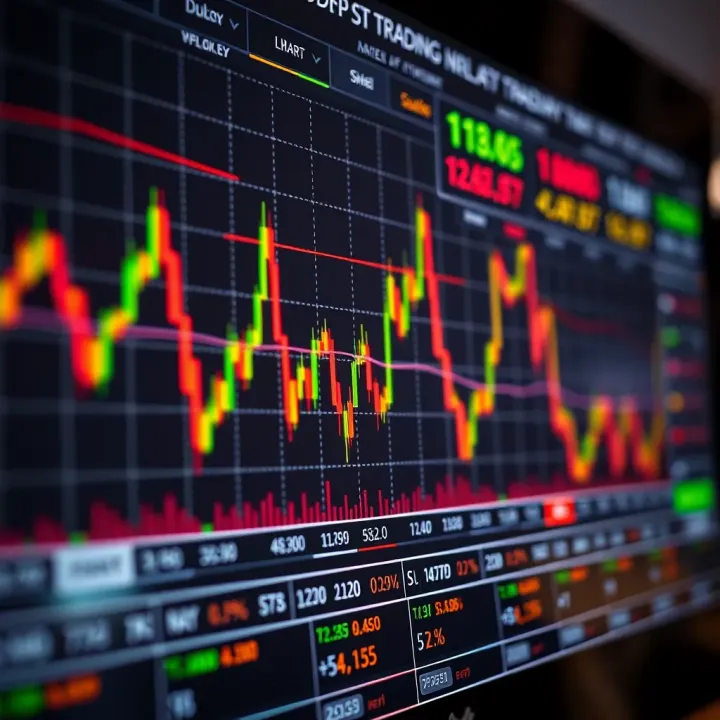
Indicators and signals refine the picture further. Common tools like the Moving Average Convergence Divergence (MACD), Relative Strength Index (RSI), and Bollinger Bands generate buy or sell signals based on momentum and volatility. For example, if the RSI crosses above 70, it might signal that the asset is overbought, prompting some traders to consider selling or tightening stop losses.
Setting stop-loss limits is crucial to protect your capital. A stop loss automatically sells your position once the price drops to a set level, preventing bigger losses if the market moves against you. Say you buy a Rand merchant share at R100 but decide you can only tolerate a 3% drop; you’d set a stop loss at R97. This technique limits damage and helps you trade without panic.
Managing your trading capital involves allocating funds wisely and not risking more than a small percentage on any single trade—commonly 1–2%. This approach reduces the chance of wiping out your account during a bad streak. Imagine if you risk 10% per trade and hit four losses consecutively—that would shave off almost half your capital, making recovery tough.
Emotional control often separates successful day traders from the rest. Greed and fear can push traders to chase losses or hold onto losing positions too long. It helps to stick to your plan regardless of gut feelings. Practising mindfulness or keeping a trading journal can assist in recognising when emotions are clouding judgement. For example, after a loss, a trader might feel the urge to "make it back" immediately, tempting rash decisions rather than calculated moves.
Day trading isn’t just about knowledge but matching that with strong discipline. The market tests patience and nerves — without both, even the best analysis falls flat.
Mastering these skills takes time, but they form the essential foundation for sustainable trading success in South Africa’s financial markets.
Selecting the right tools and platforms is vital for success in day trading. For South African investors, this means considering options that offer reliable access to local markets, good pricing structures, and tools tailored for real-time decision-making. The fast pace of day trading demands platforms with quick execution times and sufficient features to analyse market data efficiently.
Choosing between local and international brokers depends largely on the trader’s priorities. Local brokers, such as those registered with the Financial Sector Conduct Authority (FSCA), provide ease of access to the Johannesburg Stock Exchange (JSE) and other South African markets. They typically offer better support for rand-based accounts, making payments and withdrawals straightforward without worrying about currency conversion fees.
International brokers, on the other hand, can offer a wider variety of markets and instruments, including forex and commodities outside the local scope. However, they might come with higher foreign exchange costs and more complex regulatory standards. Also, the tax compliance for international brokers may require more attention to SARS reporting.
A trading platform must be robust and stable under heavy use, especially during volatile market conditions. Features like one-click order entry, advanced charting tools, and real-time news feeds are essential. For example, platforms like IG or EasyEquities offer various levels of functionality that suit active traders.
Reliability is non-negotiable; frequent downtime or delays can lead to missed opportunities or unexpected losses. Look for platforms with proven uptime records and responsive customer support, particularly during Durban or Johannesburg trading hours.
Day trading involves many transactions, so understanding the fee structure is crucial. Local brokers usually charge per trade fees, monthly platform fees, or both. For instance, some may charge a flat rate per trade plus a percentage of the transaction value.
International brokers might offer lower commission rates but charge for currency conversion or withdrawal fees. Traders should balance the trade-off between lower per-trade fees and added hidden costs to avoid eroding potential profits.
Access to real-time market data is the backbone of successful day trading. Delayed quotes can result in poor decision-making and missed trades. Many South African platforms offer live data feeds for the JSE and currency pairs, which are often available through subscription services.
For instance, using real-time feeds from companies like IRESS or Bloomberg terminals can give traders a sharp edge. However, these services come at a cost, so starting traders might want to balance necessity with affordability.
Charting tools let traders spot trends, patterns, and entry points. South African traders can use built-in charting on platforms like EasyEquities or opt for specialised software such as TradingView or MetaTrader for more detailed analysis.
These tools provide indicators like Moving Averages, Relative Strength Index (RSI), and Fibonacci retracements to help identify support and resistance levels. User-friendly interfaces can reduce the learning curve for newer traders.
Additional software like risk management calculators, news aggregators, and economic calendars tailored for South African market timings prove valuable. Tools that notify traders of scheduled events — such as SARB interest rate announcements or earnings reports on the JSE — help avoid surprises.
Automated trading bots or scripts are less common locally but can be integrated with some international platforms for those versed in coding. However, these require careful use to manage risk appropriately.
Choosing the right combination of platforms and tools suited to South African conditions is not just about convenience but about gaining a meaningful advantage in the fast-moving day trading environment.
Selecting and mastering these resources helps traders respond swiftly to market changes, improving the chances of profitable trades while managing risk effectively.
Day trading offers the chance to make swift profits, but it comes with notable risks that every trader should understand. Knowing these risks helps you avoid costly mistakes and build realistic expectations about potential rewards. The South African market, with its unique characteristics like JSE liquidity patterns and currency fluctuations, demands careful attention to specific challenges and opportunities.
Stock prices and currency pairs can jump or drop suddenly due to economic news, political developments, or even Eskom’s loadshedding schedules impacting company performance. For instance, an unanticipated downgrade of a major South African bank’s credit rating can trigger sharp price swings that catch day traders off guard. This volatility means quick decisions are essential, yet also increases the chance of steep losses if trades are poorly timed.
Traders should monitor news feeds closely and use stop-loss orders to limit exposure during sudden market shifts. In volatile periods, liquidity can dry up or spreads widen, making rapid exits tricky.
Liquidity refers to how easily you can buy or sell an asset without significantly affecting its price. In South Africa, smaller companies on the JSE’s altX or less frequently traded currency pairs often suffer from low liquidity. This can cause orders to execute at unfavourable prices, squeezing profits or amplifying losses.
For example, trying to offload a large block of shares in a thinly traded stock late in the day may push the price lower, harming your return. It's wise to choose instruments with good daily volume and to be mindful of the time of day, as liquidity often drops just before market close.
Day traders chasing the thrill often make too many trades, hoping to catch every market move. This overtrading quickly eats into capital through transaction costs, taxes, and emotional fatigue. For example, a trader making dozens of small bets on volatile shares may find that commissions and spread costs leave little to no profit by day’s end.
Overtrading can also impair judgment, leading to riskier decisions. Maintaining discipline by sticking to a well-defined trading plan reduces this risk significantly.
Successful day trading depends on setting manageable profit goals rather than chasing huge wins every time. Traders often use scaling, where they take partial profits as a share price hits certain levels and adjust stop-loss orders to lock in gains. This gradual approach helps protect against suddenly reversing market moves.
For example, taking 50% profits on a winning trade and letting the rest run with a tighter stop-loss can solidify returns without exiting too soon. South African day traders can use this tactic on liquid JSE shares or popular forex pairs to balance reward and risk.
Leverage allows you to control a bigger trading position with a smaller amount of capital. While this can amplify profits, it equally magnifies losses. Brokers in South Africa typically offer leverage ranging from 1:10 up to 1:200 on forex, but this is not without danger.
A R10,000 investment at 1:100 leverage controls R1,000,000 worth of currency. A 1% price movement against your position could wipe out your initial capital. On the flip side, a favourable move might deliver substantial returns quickly. As such, strict risk controls and modest leverage use are essential.
South African traders must consider tax implications on profits. The South African Revenue Service (SARS) generally taxes day trading gains as normal income rather than capital gains, which can increase the tax bill. Keeping detailed records of trades, commissions, and fees is vital to accurately calculate taxable income.
SARS may also require traders to register as provisional taxpayers depending on the volume and frequency of trading. Awareness of these rules helps avoid unpleasant surprises and ensures compliance.
Successful day trading in South Africa demands respecting risks and managing expectations carefully. Approaching the market with a clear plan bolstered by knowledge of local conditions can make the difference between losses and gains.
By staying vigilant about volatility, liquidity, overtrading pitfalls, and understanding how leverage and taxes impact returns, traders can improve their chances of sustainable success.
Starting and managing day trading here involves more than just picking shares and hoping for the best. You need to navigate specific local regulations, choose the right broker, and set up a trading routine tailored to your lifestyle and goals. Handling these practical aspects well can help minimise risk and improve your chances of consistent gains.
Choosing a FSCA-registered broker
Any serious South African trader should ensure their broker is registered with the Financial Sector Conduct Authority (FSCA). This registration guarantees that the broker complies with local financial laws and regulations designed to protect investors. For example, brokers like EasyEquities and Standard Bank Online Trading are FSCA-registered, giving traders reassurance against fraud and malpractice.
Understanding RICA and FICA documentation
When opening a trading account, you’ll need to provide identification and proof of residence under both the Regulation of Interception of Communications and Provision of Communication-Related Information Act (RICA) and the Financial Intelligence Centre Act (FICA). These steps aim to prevent fraud, money laundering, and ensure transparency. This means having documents like your ID book or passport, a recent utility bill, and possibly a SARS tax reference handy.
Compliance with tax and SARS reporting
Active day traders must remain aware of their tax obligations with SARS. Profits from trading are generally considered income and should be declared. SARS requires proper record-keeping of trades, profits, and losses. Traders sometimes overlook this, which can lead to complications during audits. Using accounting software or consulting a tax advisor familiar with trading income in South Africa can keep you on the right side of the law.
Establishing entry and exit rules
Having clear rules about when to enter or exit trades is vital. For instance, you might decide to buy shares only when a stock breaks above a moving average and exit once price hits a predetermined stop-loss or profit target. These rules prevent emotional trading decisions, which can quickly eat into your capital.
Tracking performance and learning from trades
Keeping a detailed trading journal allows you to monitor what works and what doesn’t. Note entry and exit points, trade size, emotional state, and outcomes. Over time, this practice can reveal patterns in your own behaviour and market tendencies—helping you refine your strategy. Without this, it’s like driving blindfolded, hoping to reach the destination.
Balancing day trading with other commitments
Day trading requires focus but it shouldn’t consume your every waking hour. Many South African traders balance jobs, family, or studies alongside trading. Setting specific trading hours—say early morning before work or during market peaks—helps manage energies and reduces burnout. Remember, consistent small profits build wealth better than erratic big wins followed by heavy losses.
Starting well means following local rules and having a solid plan. This approach lets you trade confidently amidst the typical ups and downs of South African markets.
🔍 Understand synthetics trading: Learn how synthetic assets function, their benefits, risks, regulations, and trading strategies tailored for South African investors.

🔍 Explore peer-to-peer (P2P) trading in South Africa: learn how it works, benefits, challenges, safety tips, legal points & future trends.
Explore Ryze Prop Firm's approach to trading ⚖️, evaluation steps✔️, and trader support 🤝 for South African traders ready to grow and manage risks confidently.

Explore how South Africa's prop trading firms operate, key legal points, trader requirements, pros & cons, and how they stack up against other local trading options 📈🇿🇦
Based on 12 reviews