

Rand to Dollar Exchange Rate Forecast and Trends
💱 Discover how economic trends, politics, and market shifts shape the Rand-Dollar exchange. Get expert tips to manage currency changes confidently.
Edited By
Sophie Reynolds
The EUR/USD currency pair remains one of the most closely watched pairs in the forex market, largely due to the economic weight of both the Eurozone and the United States. Traders and investors often look to this pair to gauge the health of the global economy as it reflects the relative strength of two major world currencies.
Today, the pair is shaped by a mix of factors, including recent data releases, central bank guidance, and geopolitical developments. For instance, the European Central Bank’s (ECB) approach to interest rate moves will weigh heavily on the euro’s direction. The ECB has taken a cautious stance amid slowing growth in parts of Europe while inflation dynamics keep policymakers on edge.

Meanwhile, the US Federal Reserve’s policy decisions and economic indicators like non-farm payrolls or inflation figures influence the dollar. South African traders should be mindful of how these US updates can trigger sharp moves in the pair, especially when unexpected figures emerge.
Market sentiment also reacts to broader geopolitical concerns — from trade tensions to energy supply disruptions in Europe. These elements add layers of complexity, making it essential to watch not only technical charts but also the news cycle closely.
Understanding the interplay between economic data and central bank policies offers traders a clearer picture of potential price moves in EUR/USD.
Economic Indicators: Keep an eye on the European inflation figures and US retail sales data scheduled for release. These will likely cause volatility.
Central Bank Signals: Any remarks from ECB or Fed officials during the day can hint at future rate paths, influencing market expectations.
Technical Levels: Watch support zones near 1.0900 and resistance around 1.1000, as price action around these levels often triggers trader decisions.
By combining these factors, traders and investors can form a sensible outlook to navigate the day’s market movements with patience and discipline — crucial traits in forex trading. This forecast aims to break down today's influences clearly, so you can make practical, informed decisions on the EUR/USD pair.
Understanding the current market overview of the EUR/USD currency pair is essential for traders and investors because it sets the stage for anticipating price movements and managing risks. This overview captures the pulse of market sentiment, incorporating daily shifts and broader weekly trends that influence decision-making. For instance, a trader in Johannesburg watching for signals to enter or exit positions benefits from knowing how the euro-dollar pair behaved overnight in Europe or Morning sessions, which directly impacts liquidity and volatility.
Daily and weekly performance trends provide a snapshot of how the EUR/USD pair has been behaving across relevant timeframes. For example, if the euro has gained against the dollar over the past week but dipped sharply today, this suggests a potential short-term correction within a broader upward trend. Tracking these movements helps traders time their entries and exits more effectively rather than reacting to random noise.
Volatility in the EUR/USD can also signal upcoming market events or reactions to economic news. Higher volatility often accompanies major data releases or geopolitical developments, indicating increased risk but also opportunity. Take the recent US jobs report as an example—unexpected figures can spur quick adjustments in the pair's value, which daily traders must anticipate.
Impact of recent market events on exchange rate extends beyond pure numbers. Political decisions, such as EU negotiations or US fiscal policies, frequently stir the pair's trading dynamics. For example, ongoing EU debt talks or announcements from the Federal Reserve about interest rates have historically led to sharp EUR/USD swings. These events shape trader sentiment and set the tone for short- to medium-term forecasts.
Additionally, global factors like energy price shifts or supply chain bottlenecks indirectly affect the EUR/USD by influencing economic growth projections in both blocs, causing shifts in currency demand. Traders should watch these events closely, as they often provide early signals of currency strength or weakness.
Key trading sessions affecting EUR/USD primarily include the London and New York sessions, which account for the bulk of daily volume. Since these centres overlap for a few hours, liquidity peaks during this window, allowing for tighter spreads and smoother trade execution. A South African trader, tuning in around 9 am to 4 pm SAST, hits this sweet spot, aligning local trading hours with that overlap for optimal conditions.
Lower liquidity periods, like the Asian session, can produce unpredictable price gaps or slippage, which makes timing even more important. Understanding these patterns helps traders plan their activity and avoid illiquid trading traps.
Liquidity considerations for South African traders also involve influences like local internet stability and broker choice. With loadshedding sometimes affecting connectivity, traders must ensure backup power or stable mobile data to stay plugged into volatile sessions. Choosing brokers with reliable platforms and competitive spreads in the South African context further enhances trading efficiency.
Moreover, the cost of data in South Africa means some traders prefer focusing on peak liquid hours to avoid wasting resources during thin or range-bound markets. Leveraging knowledge of when EUR/USD liquidity is at its best allows these traders to manage costs and risk effectively.
A clear grasp of recent price actions, volatility triggers, and trading session impacts provides South African traders with a solid foundation to navigate the EUR/USD market more confidently and react swiftly to market shifts.
Key takeaways:
Watch daily and weekly trends for trading direction
Monitor geopolitical and economic events for volatility spikes
Trade during London-New York overlaps for best liquidity
Prepare for local challenges like loadshedding to maintain connectivity
This grounded approach helps traders make informed choices instead of knee-jerk reactions, improving the odds of consistent success with the euro-dollar pair.
Economic indicators play a key role in shaping the EUR/USD exchange rate, providing vital clues about the overall health of the Eurozone and US economies. Traders and investors watch these data points closely to anticipate currency movements, especially when deciding on entry or exit points. The interaction between economic strengths and weaknesses on both sides of the Atlantic directly impacts the euro-dollar pair’s direction.

Gross Domestic Product (GDP) data offer a snapshot of the economic activity within the Eurozone. A strong GDP growth rate usually signals a healthy economy, potentially boosting the euro’s value against the dollar. For example, if the Eurostat announcement shows a surprise uptick in GDP for Germany and France—Europe's economic heavyweights—this typically sparks bullish momentum for the euro.
Forecasters also pay attention to revised growth projections, which indicate future economic prospects. If growth outlooks are downgraded due to energy price pressures or unresolved supply chain issues, this tends to weigh on the euro. South African traders should keep an eye on these figures released typically at the end of each quarter, as they offer concrete insights to adjust currency exposure.
Inflation data influence monetary policy expectations within the Eurozone. If consumer price inflation accelerates above the European Central Bank’s (ECB) target, traders may anticipate interest rate hikes, which often strengthen the euro. Conversely, persistently low inflation or deflation risks suggest a looser policy stance, putting downward pressure on the currency.
Unemployment rates also matter. Rising unemployment figures point to economic weakness and potential easing from the ECB, while improvements in jobless rates signal a firmer economy. For instance, if Spain or Italy report significant job growth, this can lift euro confidence, impacting the EUR/USD pair. South African investors relying on economic calendars will find these releases valuable for timing their trades.
US non-farm payrolls and unemployment rates are among the most watched data points globally. A stronger-than-expected payrolls figure suggests robust job creation and fuels expectations of tighter Federal Reserve (Fed) policy. This typically strengthens the US dollar, causing the EUR/USD to retreat.
Consumer data like retail sales and spending trends help gauge private demand, a key driver of the US economy. Weak consumer spending might soften the dollar’s appeal, providing temporary relief for the euro. South African traders should track the monthly US Bureau of Labor Statistics releases closely, as market reactions can be swift.
The Fed’s stance on inflation targets guides expectations for interest rates. If inflation remains stubbornly above 2%, the Fed might signal more rate hikes or a slower pace of easing. This tends to bolster the dollar’s position against the euro.
Conversely, dovish signals—like forecasts pointing to moderate inflation and economic cooling—could weigh on the dollar. In turn, the euro could find some support. South African investors and traders need to follow Fed statements and minutes carefully for subtle changes in tone that hint at future moves.
Economic indicators do not work in isolation; their impact hinges on the broader context, including central bank responses and geopolitical events. Staying updated with these data points offers a grounded approach to anticipate EUR/USD shifts with more confidence.
Key takeaways for traders:
Monitor Eurozone GDP and inflation closely to anticipate ECB policy changes.
US employment and consumer data can trigger rapid EUR/USD moves.
Align trading decisions with expectations about central bank actions, informed by economic updates.
This analytical approach helps South African traders navigate the ebb and flow of the euro-dollar pair effectively, matching local trading hours with timely economic releases.
Central bank policies are pivotal in shaping the EUR/USD exchange rate. Traders and investors keep a close eye on announcements and actions by the European Central Bank (ECB) and the US Federal Reserve, as their decisions influence currency strength, inflation outlook, and market sentiment. These policies not only reflect economic conditions but often steer the direction of the euro-dollar pair for days or even weeks.
Interest rate decisions and forward guidance play a central role in the ECB’s approach to managing the eurozone economy. When the ECB adjusts its main refinancing rate or provides hints about future moves, it affects the euro’s appeal to investors. For example, a rate increase generally strengthens the euro against the dollar by making euro-denominated assets more attractive, while a cut can weaken it. Traders follow the ECB’s forward guidance closely; clear indications of upcoming hikes or pauses can reduce uncertainty and smooth market reactions.
Quantitative easing (QE) measures represent the ECB’s tool to inject liquidity into the market by buying bonds and other securities. QE increases the money supply and tends to weaken the euro as more currency chases the same assets. South African traders should note that any unexpected extension or tapering of QE can trigger notable fluctuations in EUR/USD. For instance, when the ECB tapered its bond purchases in late 2023, the euro gained ground, reflecting reduced monetary accommodation.
Rate hikes or cuts and their timing are vital signals from the Federal Reserve about the US economic outlook. The Fed’s decisions directly impact the yield on US Treasury securities and influence global capital flows. For example, an unexpected rate hike often leads to a stronger dollar as investors seek higher returns, while rate cuts usually have the opposite effect. Timing matters too; hints of imminent policy shifts can cause EUR/USD volatility even before official announcements.
Impact on the strength of the US dollar cannot be overstated. When the Fed signals hawkish policies—higher rates or faster tightening—the dollar tends to appreciate against the euro and other currencies. This was clear during the 2022-2023 period of aggressive rate hikes, which lifted the dollar but exerted downward pressure on EUR/USD. Conversely, dovish stances create conditions for a weaker dollar, supporting euro strength.
For traders, understanding the interplay between ECB and Fed policies is essential. Moves by one bank often prompt counter-reactions by the other, affecting the EUR/USD in a see-saw manner.
Effectively tracking central bank communications and policy shifts offers investors a practical edge. Watching ECB press conferences, Fed minutes, and economic projections can help anticipate currency moves, refine entry and exit points, and manage risk better within the dynamic forex environment.
Geopolitical events and global developments hold substantial sway over the EUR/USD exchange rate. These factors can trigger shifts in market sentiment, influencing currency movements beyond conventional economic data or central bank signals. For traders and investors, understanding these dynamics offers practical clues for anticipating sudden surges or dips in the Euro-Dollar pair.
EU-US trade agreements and tensions play a prominent role. Trade policies impact the flow of goods, services, and capital between the two economies, affecting investor confidence. For instance, ongoing negotiations around tariffs or digital service taxes can create volatility. When new trade agreements surface, or current tensions ease, the euro can gain ground against the dollar as market optimism improves. Conversely, threats of tariffs or sanctions often strengthen the dollar’s appeal as a global reserve currency.
Political moves like the US revisiting trade commitments or the EU adjusting import levies on American products usually send ripples through currency markets. South African traders should note that these pressures can cause unexpected shifts during off-peak trading hours, making careful risk management important.
Political stability in Europe and the US also matters a lot. Elections, government reshuffles, or policy gridlocks can destabilise currencies. Take Europe’s energy crisis debates or Germany’s recent political changes; such developments can introduce uncertainty for the euro. Similarly, US midterm elections affect fiscal policy outlooks, which traders closely watch.
Political unrest or smooth governance impacts confidence in these economies’ currencies. A stable political environment generally supports steady exchange rates, while turmoil can trigger risk-off moves, benefiting the dollar as a safe haven.
Fluctuations in energy prices and supply chain challenges shape global trade flows and inflation expectations. The Eurozone’s reliance on Russian gas, for example, has heightened sensitivity to energy disruptions. Sudden spikes in petrol or electricity costs tend to weigh on the euro’s outlook, given their impact on consumer spending and industrial output.
Supply chain snags — whether due to port strikes or shipping delays — hinder export volumes and add inflationary pressure. These factors reduce appeal for the euro relative to the dollar, especially when the US shows signs of economic resilience.
Global crises and their impact on safe-haven demand often swing the EUR/USD pair decisively. Times of geopolitical conflict, pandemics, or financial shocks usually see traders flocking to the US dollar as a refuge. The Ukraine conflict, for example, increased demand for dollars even as it hurt European markets.
Understanding these external shocks allows traders to anticipate how risk sentiment might shift and position themselves accordingly. For South African market participants, recognising when the dollar’s safe-haven status will dominate the pair’s movement helps in managing exposure and optimising entry points.
Geopolitical tensions and global events rarely play out in isolation; they intertwine with economic data and central bank policies to shape the EUR/USD trends you trade every day.
Technical analysis plays a central role in forecasting the EUR/USD pair's movements daily. For traders, especially those juggling South African market hours and external influences, understanding current support and resistance levels, alongside popular technical indicators, sharpens decision-making accuracy. Trading strategies built around these tools help navigate volatility, identify entry and exit points, and manage risks effectively.
Short-term and medium-term support and resistance levels identify price points where the EUR/USD pair tends to pause or reverse. For instance, a short-term resistance might lie near 1.1000 if recent price spikes stall at that mark over several sessions. Conversely, a medium-term support level may be around 1.0900, where buyers historically emerge when prices dip. These levels aren't static—they shift with market momentum and fresh data.
Recognising these levels matters because they act as psychological barriers influencing trader behaviour. If the euro-dollar pair breaks above a resistance level like 1.1000, it often signals bullish momentum, encouraging further buying. Conversely, failing to hold a support level such as 1.0900 may trigger stop-loss orders and increased selling pressure. Traders can place stop orders just beyond these levels to manage risk carefully.
Moving averages smooth out price data to reveal trends by averaging closing prices over set periods, such as 20 or 50 days. A crossover, where a short-term moving average crosses above a long-term one, can hint at a bullish trend in EUR/USD. The Relative Strength Index (RSI) measures momentum, flagging when the pair is overbought (above 70) or oversold (below 30), helping traders anticipate potential reversals.
Meanwhile, the MACD (Moving Average Convergence Divergence) combines moving averages to highlight changes in momentum and trend strength. For example, a bullish MACD crossover below zero might suggest a shift from bearish to bullish conditions. Combined, these indicators help spot trading opportunities in real-time, confirming or warning against certain market moves.
Chart patterns are also vital. Patterns like double tops or head and shoulders often indicate upcoming reversals, while triangles signal potential breakouts. Keeping an eye on these formations during today’s session offers clues on whether the pair will continue its current path or change course.
Managing risk within South Africa's regulatory framework is essential. This includes compliance with Financial Sector Conduct Authority (FSCA) guidelines and ensuring brokers are properly registered. Using reputable trading platforms that incorporate these regulations minimises exposure to fraud and enhances fund safety.
Timing trades according to South Africa Standard Time (SAST) maximises opportunities because the EUR/USD pair is most active during London and New York sessions. The London session starts at 9 am SAST, overlapping with the early New York session around 3 pm SAST. Trading during these busy periods, especially when high liquidity and volatility coincide, often results in better spreads and easier order execution.
Tip: For South African traders, aligning trading hours with peak EUR/USD activity and strictly managing risks through local compliance can markedly improve trading outcomes.
💱 Discover how economic trends, politics, and market shifts shape the Rand-Dollar exchange. Get expert tips to manage currency changes confidently.

📉 Explore detailed Rand to Dollar exchange rate trends, key economic factors, and market insights to help South African investors and businesses manage currency risks effectively.
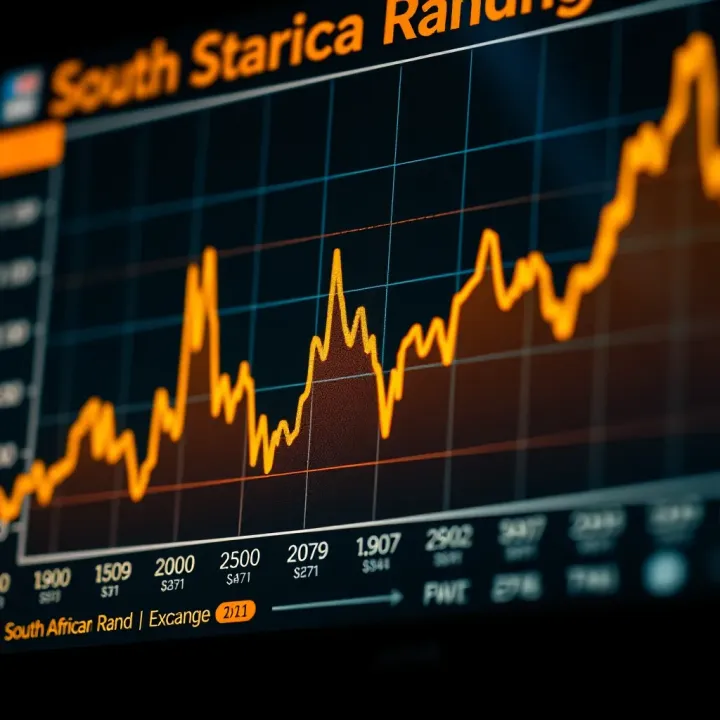
📈 Explore key factors shaping the NZ Dollar to Rand rate in coming months. Stay informed on trends, economy, and expert views for smarter decisions in South Africa.

Explore the Dollar Bot 🤖: its features, practical uses in finance 💰, impact on tech, security issues 🔒, and ethical questions in South Africa 🇿🇦.
Based on 6 reviews