

Trading Guide for South African Traders
📈 Dive into trading with our South African guide! Understand markets, strategies, and risk to boost your trading skills safely and smartly. 🇿🇦💡
Edited By
Elizabeth Grant
Forex trading bots are software programs designed to automate the buying and selling of currencies on the forex market. For South African traders, these bots offer a way to trade around the clock, unaffected by local market hours or personal availability. Given the volatility and speed of forex trading, bots can execute strategies quickly, taking emotion out of the process.
These automated systems operate based on pre-set algorithms — that means they follow specific rules, like entering trades when a currency pair hits a particular price or technical indicator. For instance, a bot might be programmed to buy USD/ZAR when the moving average signals a bullish trend, then close the trade once a set profit target is reached.
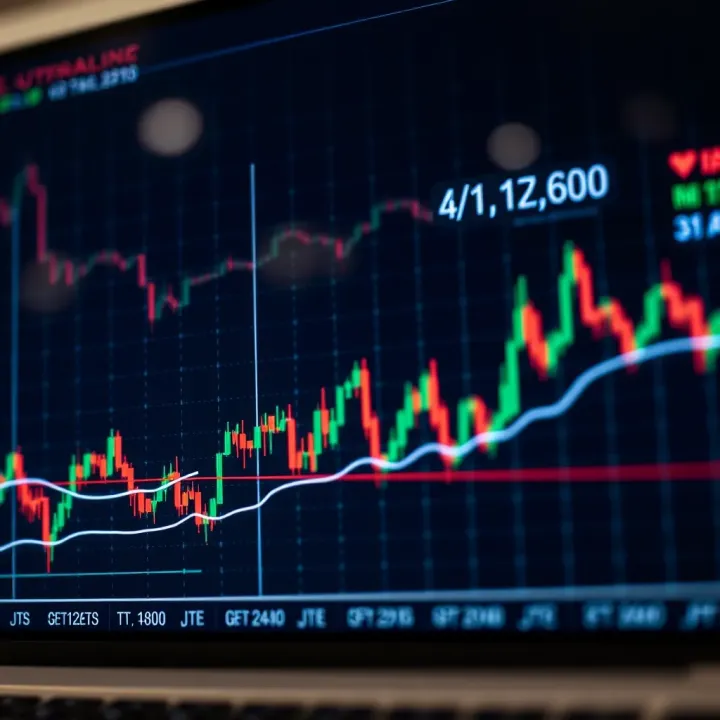
One key advantage for local traders is that bots can help manage trading during periods when markets are less accessible or when daily life, such as work or family commitments, makes constant monitoring tough. Still, it’s important to recognise bots are not foolproof; they rely heavily on the quality of their programming and market data. Poorly designed bots can magnify losses as readily as gains.
Automation doesn’t mean you can set the bot and forget it. Regular monitoring and updating based on market changes remain crucial.
South African traders should also consider the impact of Eskom loadshedding on internet connectivity which might disrupt live trading feeds. Ensuring a stable connection or using VPS (Virtual Private Server) hosting can help maintain bot performance during power outages.
When evaluating forex trading bots, keep your strategy, risk tolerance, and broker compatibility in mind. Popular MT4 (MetaTrader 4) and MT5 platforms used widely here support many automated bots, but remember to test any bot first on demo accounts before committing real money.
In summary, forex trading bots can increase efficiency and consistency for South African traders, but only when chosen carefully and managed actively alongside traditional trading methods.
Understanding what forex trading bots are and how they work is key for South African traders who want to incorporate automation into their trading strategies. These computer programmes execute trades in the forex market, taking the emotion and delays out of decision-making. They can provide constant monitoring and quick responses — advantages especially useful when market movements happen outside regular office hours or during volatile periods.
A forex trading bot is essentially software that trades currency pairs automatically according to pre-set rules. Instead of a trader clicking to buy or sell manually, the bot carries out trades by analysing market conditions and following its programmed instructions. Think of it as a hands-off approach to trading, where the bot manages trades without constant human input. This matters because it can improve efficiency, ensuring opportunities aren’t missed just because you’re busy, asleep, or stuck in traffic.
Automation means the bot works 24/7, scanning the forex market for signals based on algorithms. It can place trades instantly when conditions are met, opening or closing positions with no emotional hesitation. For South African traders, this is useful given time zone differences and loadshedding schedules that might interfere with manual trading. Automation also reduces human errors or rash decisions caused by fear or greed.
Bots rely heavily on technical indicators like moving averages, RSI (relative strength index), and Bollinger Bands to spot trends or reversals. These indicators produce numeric values that the bot’s algorithm interprets to decide whether to enter or exit a trade. The algorithms can be quite sophisticated, combining multiple signals to reduce false entries. For example, a bot might buy when a short-term moving average crosses above a long-term moving average, signalling upward momentum.
Besides live data, forex bots often use historical price movements to identify repeating patterns. By recognising setups that historically led to profit, the bot refines its decision-making. This is a bit like how you might remember good spots to fish based on past experience, but the bot does it with vast amounts of data, instantly updating as market conditions shift.
One big advantage bots bring is the ability to place trades immediately once criteria are met. Unlike humans, who need time to analyse and react, bots execute orders within milliseconds. This speed can take advantage of short-lived price changes that might be gone by the time a trader spots them. For a South African trader using platforms like MT4 or MT5 through brokers, this quick response can help capture better entry and exit prices.
Forex trading bots also adjust positions dynamically as new data comes in. If the market suddenly turns volatile due to unexpected news or events, the bot can close trades or modify stop-loss and take-profit limits without waiting for human intervention. This responsiveness helps manage risk more effectively, especially during periods of uncertainty when the market shifts rapidly.
Understanding both the operation and analysis methods behind forex bots is essential. It allows you to choose bots that match your trading style and to stay aware of when manual oversight is necessary.
Using forex trading bots offers a mix of clear advantages and risks for South African traders. Understanding these helps decide whether integrating automation into your trading routine suits your goals and risk appetite.
One standout benefit of forex trading bots is their ability to monitor markets around the clock. Since forex markets operate 24 hours a day, bots can keep an eye on currency pairs even when traders are asleep or busy. This continuous monitoring is particularly useful for South Africans who may want to trade currency pairs active in Asian or US sessions without disrupting their own schedules.
Bots can quickly spot trade opportunities or risks as they arise, allowing you to act or let the bot execute trades straight away. This is valuable in a country where internet outages or loadshedding might make manual monitoring tricky during crucial hours.
Emotions often play a heavy role in trading decisions — fear, greed, and impatience can lead to poor choices. A bot follows preset rules and does not panic or get overexcited. South African traders using bots can sidestep emotional swings that come with watching market fluctuations live.
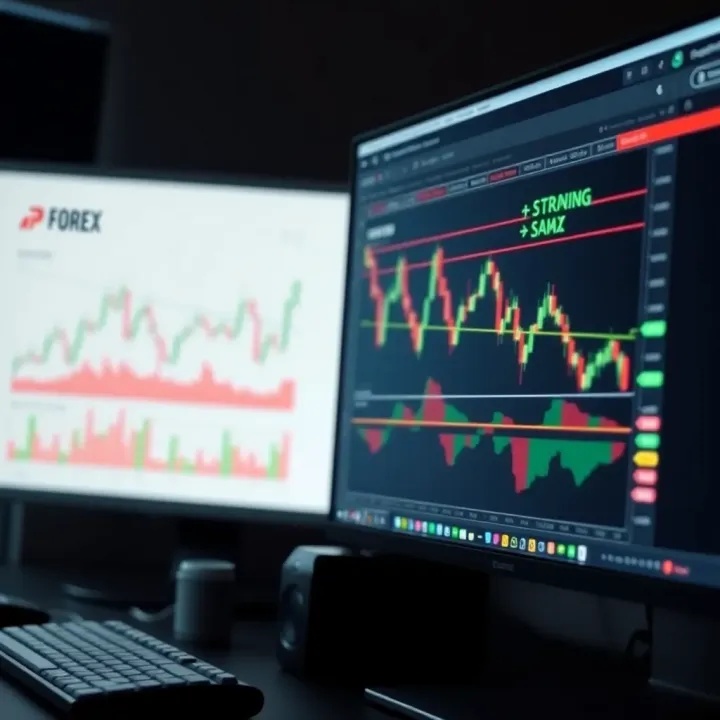
For example, if the rand suddenly weakens, a human trader might hesitate or overreact. A bot, however, matches this move against its programmed strategy and acts consistently, helping avoid costly knee-jerk reactions.
Speed matters in forex, and bots execute trades instantly when signals occur. In fast-moving markets, milliseconds can mean the difference between profit and loss. Manual execution can’t always keep pace, especially when broadband speed or device performance isn’t optimal.
South African traders dealing with currency pairs like USD/ZAR benefit from bots reacting immediately to sudden shifts caused by events like inflation data releases or SARB announcements, ensuring trade orders are placed without delay.
Bots rely on software that can glitch or crash, especially during volatile times or internet instability seen in some parts of South Africa. A bot failure at the wrong moment may leave trades open or miss exit signals, leading to unexpected losses.
For instance, if a bot’s connection drops mid-trade, it may not update stop-loss orders promptly, increasing risk. Regular monitoring and backup plans are essential to counter these technical risks.
High volatility phases can throw off bots programmed for normal market conditions. Sudden rand swings around political events or Eskom announcements may trigger false signals or cause bots to act too frequently, eroding profits through excessive trades or slippage.
Bots rarely adapt well without human oversight during such turbulent periods. Being aware of when to pause automation or manually override is key.
Relying solely on bots can make traders complacent and disconnected from market nuances. Even the best bots don’t incorporate broader economic or geopolitical insights humans can pick up on.
Traders who fully trust bots without understanding strategies risk blind spots. Combining bots with manual analysis keeps control in your hands and improves decision-making.
Automated forex trading bots have useful strengths but also notable risks. The balance lies in knowing their limits and complementing them with your market awareness.
By weighing these benefits and drawbacks, South African traders can make informed choices before deploying bots in their forex ventures.
Choosing the right forex trading bot means knowing what features will suit your trading style and local market conditions. Bots vary widely in what they offer, so focusing on key attributes—such as customisation, performance tracking, and compatibility—helps ensure you get a tool that actually supports your goals as a South African trader.
One of the most crucial features is the ability to tweak risk levels. This lets you control how aggressively the bot trades, adjusting parameters like lot size, leverage, and stop-loss levels. For example, during times of unpredictable market swings—like when the rand suddenly weakens—you might want to dial back risk to protect your capital.
Bots that support user-defined rules give you the freedom to translate your personal strategy into automated trades. This might involve setting criteria like only trading certain currency pairs or avoiding trades during South African public holidays when liquidity tends to drop. By tailoring rules, you retain strategic control instead of relying on rigid, default settings.
A bot should provide real-time data and push alerts to keep you updated on trades and market moves. Immediate notifications on trade execution or margin calls mean you can intervene if needed. For instance, if your bot opens a risky position during sudden loadshedding disruptions affecting your internet, an alert allows swift action.
Access to detailed past performance data is vital to assess a bot’s effectiveness. You want transparency on win rates, drawdowns, and profitability over weeks or months. This info helps you avoid bots with overly optimistic claims and shows how well the bot handled past South African market conditions.
Ensure the bot works seamlessly with popular South African platforms like MetaTrader 4 or 5, which most local brokers support. Compatibility with MT4/MT5 lets you integrate the bot without switching accounts or learning new software, saving time and reducing hassle.
A user-friendly installation process, with clear instructions and automatic updates, is essential. If a bot requires frequent manual updates or complex setups, it can lead to downtime or errors. Look for bots that can be set up quickly on your computer or VPS, especially important for traders who use intermittent internet connections or power back-ups during load-shedding.
When selecting your forex trading bot, balance power with simplicity. Features matter, but so does how well the bot fits into your everyday trading routine and local trading environment.
Selecting the right forex trading bot can make a big difference in your trading success. With so many options floating around, especially geared towards South African traders, picking a bot that fits your specific needs and trading style is essential. A bot that suits a conservative risk profile won't be the same one ideal for a day trader chasing fast moves. Plus, the trading environment in South Africa—like dealing with local brokers and data costs—adds another layer to consider.
Don’t just trust flashy promises. Look for trading bots whose performance claims are backed by verified records, preferably through third-party audits or platforms known in the forex space. Verified performance gives you a clearer picture about the bot's real-world effectiveness, including win rates and drawdowns. For instance, some bots publish detailed monthly reports showing trade history and profits, which can help you separate the wheat from the chaff.
Local traders often share their experiences with bots on forums, WhatsApp groups, or social media platforms like Facebook forex groups based in Johannesburg or Cape Town. These firsthand accounts offer insights into how bots perform under South Africa's unique market conditions and connectivity challenges. Besides performance, they can also alert you to issues like poor customer support or hidden fees that international reviews might miss.
Forex bots come with different cost structures. Some charge a one-off licence fee, while others work on a monthly or yearly subscription. For example, a bot charging R1,000 monthly might be suitable if it provides consistent returns and strong support, but could be too steep if your trading capital is small. Be wary of bots that lock you into lengthy contracts without a trial period or clear exit terms.
Free bots can be tempting, especially if you’re starting out. However, they often come with limitations, like fewer strategy options or slower updates. Paid bots typically offer more features, like advanced technical indicators and faster execution, but that doesn’t guarantee success. Assess whether the paid features genuinely add value for your strategy and trading volume before committing your hard-earned cash.
Before risking your capital, put the bot through its paces using a demo account offered by most brokers. This environment uses real market data but without actual money at risk. It helps highlight how the bot reacts to price swings and news events. For example, running the bot through a recent volatile week can reveal if it handles sudden moves or falters.
Demo testing also lets you tweak risk settings, timeframes, and indicators to tailor strategies to your comfort level and goals. It’s common to dial back on risk or adjust stop-loss parameters after seeing initial results. Taking time here reduces surprises when you start live trading and helps you understand what to expect from the bot day-to-day.
Testing thoroughly and understanding costs upfront gives you a better shot at using forex bots that complement your trading style—not complicate it.
Choosing wisely saves you frustration and better protects your trading capital in South Africa's sometimes unpredictable forex scene.
Using forex trading bots in South Africa requires a balance of technology and practical know-how. Automation can speed up trades and cut through the noise, but you still need to stay involved and manage risks carefully. These tips will help you make the most of bots while keeping you in control of your trading journey.
Knowing when to intervene is key when working with trading bots. Bots operate based on set algorithms and can miss sudden market shifts caused by news events or political issues, like unexpected changes in the rand exchange rate or Eskom announcements impacting market sentiment. For example, if a bot is placing trades during high volatility caused by a national event, stepping in to pause or adjust settings can prevent unnecessary losses.
At the same time, maintaining market awareness helps you understand the bigger picture beyond the bot’s data. Watching trends, economic indicators, and global events affecting the forex market allows you to make informed decisions alongside the bot. South African traders should keep an eye on influences like SARB’s interest rate decisions or shifts in commodity prices, since these can sway currency flows dramatically.
Using stop-loss and take-profit limits is a simple yet effective way to protect your capital. These tools automatically close trades when prices hit certain points, helping you lock in profits or cut losses without needing to monitor the market constantly. For example, setting a stop-loss limit at 2% below your entry price can prevent a bad trade from eating into your overall funds too much.
Understanding market conditions that affect bots is just as important. Bots generally perform well in stable conditions but might struggle during unpredictable swings or when deep liquidity dries up, as seen during major reports or loadshedding power cuts impacting trading volumes. Recognising when the market is choppy or illiquid can save you from letting the bot run unchecked during risky times.
Compliance with financial laws and regulations is non-negotiable. South African traders must ensure their trading activity aligns with regulations set by bodies like the Financial Sector Conduct Authority (FSCA). Many forex brokers operating locally are required to be FSCA-licensed, and using bots on reputable platforms helps you avoid falling foul of the law.
On top of that, protecting personal and financial data should be a top priority. Bots often need access to your trading account, so choose software with strong security features and never share sensitive details recklessly. With cybercrime on the rise, especially in online financial services, using two-factor authentication and encrypted connections is vital to keep your information safe.
Regularly reviewing your trading strategy, staying alert to market events, and following legal requirements are the pillars of a successful bot trading experience in South Africa.
In summary, forex trading bots can be powerful tools, but they’re not a set-and-forget solution. Combining automation with your own strategy, managing risks prudently, and abiding by local laws keeps you on the right path towards smarter trading outcomes.
📈 Dive into trading with our South African guide! Understand markets, strategies, and risk to boost your trading skills safely and smartly. 🇿🇦💡

📈 Discover how signal trading helps South African investors make smarter market moves with tips on choosing reliable services and boosting your strategy.

📊 Discover how Pocket Options supports South African traders with diverse assets, multiple account types, secure payments, and smart risk management tips.
Explore Pocket Option for South African traders 🇿🇦: features, account types, assets, security, deposits, support & trading tips 📊💡
Based on 5 reviews