

Trading Guide for South African Traders
📈 Dive into trading with our South African guide! Understand markets, strategies, and risk to boost your trading skills safely and smartly. 🇿🇦💡
Edited By
Liam Fisher
The GBPUSD currency pair, representing the British pound against the US dollar, remains one of the most actively traded pairs in the forex market. Understanding its dynamics is essential for traders and investors, especially those in South Africa, who must consider both international factors and local influences when making trading decisions.
British pound movements often reflect the state of the UK economy, central bank policies, and geopolitical developments, while the US dollar acts as a global benchmark influenced by the Federal Reserve’s actions, economic data, and global risk sentiment. Recent years have seen heightened volatility due to Brexit negotiations, inflation trends, and global trade tensions, which continue to affect market behaviour.
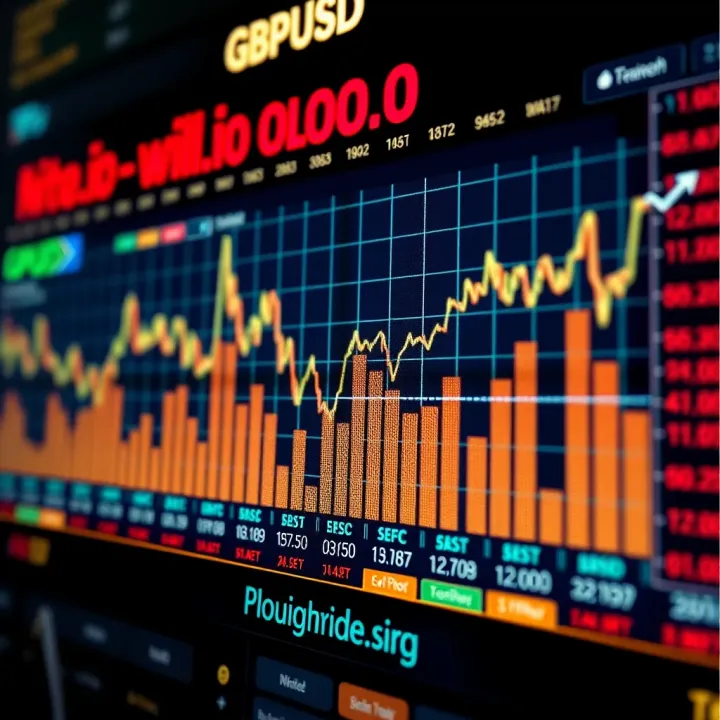
For South African traders, forex market events do not happen in isolation. The rand's performance, domestic interest rates set by the South African Reserve Bank (SARB), and local economic developments like load shedding can impact trading strategies and risk management. For example, a period of load shedding might prompt traders to limit exposure by reducing position sizes due to interrupted internet connectivity or power outages.
To make informed trades on GBPUSD, you need to combine global economic insights with local market realities, balancing technical analysis with fundamental drivers.
When assessing GBPUSD, focus on key economic indicators such as UK GDP growth, inflation, Bank of England decisions, US employment figures, and Federal Reserve interest rate announcements. These data points typically cause noticeable price swings and can be prime opportunities or warning signs.
Technical signals, including support/resistance levels, moving averages, and trendlines, complement the fundamental factors, helping traders identify entry and exit points. For instance, if GBPUSD approaches a historically strong resistance level coinciding with negative UK economic news, it might suggest a reversal or consolidation phase.
In the sections ahead, we’ll look at how these elements interact and what traders in South Africa should watch for in their GBPUSD moves, aiming to offer a clear, practical guide to help navigate this volatile but rewarding currency pair.
Grasping the GBPUSD currency pair is foundational for anyone trading or investing in this market. The pair represents the British pound (GBP) against the US dollar (USD), two of the most influential currencies globally. Understanding what moves this pair gives traders a clearer edge, helping them anticipate swings and balance risk effectively. For example, when UK economic data signals stronger growth, the pound often strengthens against the dollar. Conversely, US economic surprises can quickly shift the pair’s direction.
Economic fundamentals shape the GBPUSD by reflecting the overall health and outlook of each economy. Key indicators such as GDP growth, inflation rates, and employment numbers signal economic vitality. If the UK reports faster GDP growth compared to the US, the pound tends to gain against the dollar because investors see the UK economy as more robust. In contrast, slowing growth or rising inflation can weigh heavily on the pound’s value. Traders closely monitor these figures because they provide a practical sense of where the currency might head next.
Interest rates set by the Bank of England (BoE) and the US Federal Reserve have a major say in the GBPUSD price. Higher interest rates generally attract foreign capital searching for better returns, pushing that currency's value up. So, if the Fed raises rates while the BoE holds steady, the US dollar will often strengthen versus the pound. This effect is clear in moments like the Fed’s rate hikes between 2021 and 2023, which supported the USD broadly. Traders can use central bank meetings and forward guidance to gauge potential rate moves and adjust their positions accordingly.
Trade balances reflect the difference between exports and imports and can sway the GBPUSD pair. A trade surplus implies a country exports more than it imports, which tends to support that currency by creating demand. The UK’s trade deficit, largely driven by imports exceeding exports, puts pressure on the pound. Meanwhile, changes in the US trade balance, influenced by tariffs or economic policies, also affect the dollar's strength. Keeping an eye on trade reports helps traders understand underlying pressures on the currencies beyond headline economic data.
GBPUSD ranks among the world’s most liquid currency pairs, meaning it has high trading volumes and tight spreads. This liquidity makes it easier for traders of all sizes to enter and exit positions without dramatic price swings. For instance, London and New York sessions see particularly heavy activity, offering ample opportunity for short-term trading. This vibrant liquidity also reflects the pair’s importance in global commerce, as both the UK and US play key roles in international trade and finance.
Traders often use GBPUSD in various strategies due to its responsiveness to both economic data and political news. It is popular for carry trades when interest rates differ, as well as for technical trading based on chart patterns and indicators. Because it reacts noticeably to central bank announcements, it can be a good pair for news-based trading. South African traders, for example, benefit from observing GBPUSD moves alongside ZAR fluctuations, planning entries that align with broader currency trends. Understanding how GBPUSD fits into these strategies helps traders craft approaches that suit their risk appetite and market outlook.
The GBPUSD pair acts like a global market barometer, reflecting economic shifts, interest trends, and trade dynamics. Being plugged into what drives it can make all the difference for trading success.
Economic indicators give traders critical signals about where the GBPUSD currency pair might be headed. These data points reflect the health and direction of the UK and US economies, guiding decisions on buying or selling the pound against the dollar. Traders watching significant releases can anticipate volatility, adjust their strategies, and manage risk accordingly.
GDP growth shows the pace at which the UK economy is expanding or contracting, directly influencing the British pound’s strength. For example, a solid GDP reading typically boosts confidence in the currency as it signals economic resilience. Conversely, sluggish or negative growth can drive the pound down. Inflation figures, especially the Consumer Price Index (CPI), reveal upward or downward pressure on prices. If inflation climbs faster than expected, the Bank of England (BoE) might raise interest rates to cool the economy, which usually lifts the pound. However, if inflation remains stubbornly low, it may signal lingering economic worries.
The BoE’s decisions on interest rates and quantitative easing have immediate effects on GBPUSD. A hike in the repo rate tends to strengthen the pound by attracting capital flows seeking higher returns. On the other hand, dovish signals, like keeping rates low or extending bond-buying programmes, often weigh on the currency. Traders closely follow BoE press conferences and meeting minutes for hints about future moves. For instance, if Governor Andrew Bailey mentions concerns over inflation overheating, traders might expect tighter monetary policy soon, prompting GBPUSD gains.

Employment data highlight the UK labour market’s health, impacting consumer spending and economic momentum. Figures such as the unemployment rate, average weekly earnings, and job vacancies help gauge labour demand and wage pressures. Strong employment trends usually support the pound because they indicate a growing economy and possibly rising inflation. For example, a drop in the unemployment rate coupled with wage gains often triggers GBPUSD rallies as markets price in a hawkish BoE stance.
Interest rate changes by the US Federal Reserve are a major driver of the dollar’s movement against the pound. When the Fed raises rates, the dollar often gains due to higher yields attracting investors. Conversely, rate cuts can reduce the dollar’s appeal. Traders also pay attention to the Fed’s guidance and economic outlook. For instance, if Fed chair Jerome Powell signals upcoming rate hikes amid solid growth, USD tends to strengthen versus GBP, pushing GBPUSD lower.
US non-farm payrolls measure employment gains excluding farm workers and are released monthly, offering a snapshot of job creation. Strong numbers coupled with a low unemployment rate point to economic strength and tend to boost the dollar. Conversely, weak payrolls or rising unemployment signal economic challenges. For example, if the US reports an unexpected drop in payrolls, traders might sell USD, allowing GBPUSD to rise.
These indicators reflect how optimistic consumers feel about the economy and their willingness to spend. Higher confidence and strong retail sales suggest steady growth and support the US dollar. Retail sales, in particular, highlight demand trends that can affect inflation and Fed policies. For example, a spike in US retail sales ahead of a Fed meeting could prompt speculation about tighter monetary policy, strengthening the dollar and impacting GBPUSD negatively.
Keeping an eye on these key economic indicators is essential for any trader looking to forecast GBPUSD movements accurately. Understanding their practical impact helps navigate market swings and improve trading outcomes.
In summary, UK GDP growth, inflation data, BoE policy, and labour statistics combined with US Fed rates, payrolls, and consumer metrics provide a rounded picture of factors moving GBPUSD. This knowledge empowers traders to anticipate shifts with greater confidence and adapt their strategies in real time.
Understanding recent trends and price movements in the GBPUSD currency pair is vital for traders aiming to anticipate future shifts. Market behaviour rarely follows a strict script; past performance offers clues about volatility, reactions to economic news, and momentum—key factors that can shape trading decisions.
Volatility patterns over recent months have shown varied behaviour in the GBPUSD pair, influenced by events such as Brexit negotiations and US economic data releases. For example, periods of heightened uncertainty corresponded with spikes in volatility, making the pair prone to sharp swings. Such fluctuations can present both risk and opportunity—traders must adjust position sizes or use hedging techniques during these choppy times to manage risk effectively.
Tracking volatility also helps in setting realistic stop-loss and take-profit levels. If the pair usually moves 100 pips in a day during volatile times but only 30 pips in calmer phases, expecting a break-out move requires adjusting strategies accordingly. South African traders, in particular, may also consider how USD/ZAR moves in tandem, adding another layer to their risk assessment.
Responses to major economic events further shape the GBPUSD’s trajectory. For instance, BoE monetary policy announcements typically cause sharp, immediate moves. When the Bank of England raised interest rates recently, the pound rallied sharply against the dollar before stabilising. Similarly, US non-farm payrolls can trigger quick reversals. Recognising these event-driven reactions helps traders avoid getting caught on the wrong side of sudden shifts and instead position themselves advantageously.
Staying aware of the economic calendar and understanding how GBPUSD reacted historically enables better timing of entry and exit points, minimising drawdowns during news spikes.
Key support and resistance levels provide traders with clear price zones where the market historically pauses or reverses. For example, the GBPUSD found strong support around 1.2200 in the past months, repeatedly bouncing higher after testing this level. Resistance near 1.2800 capped rallies several times, signalling profit-taking or selling pressure. Identifying these levels helps traders place orders strategically, managing both upside potential and downside protection.
Knowing where these zones lie acts as a guide in volatile markets and guards against chasing price moves without clear exit plans.
Momentum and moving averages give insight into the strength and direction of the trend. The 50-day and 200-day moving averages, for instance, are watched closely; a 'golden cross' (50-day moving above 200-day) signals potential bullishness, while a 'death cross' implies bearish momentum. Currently, GBPUSD’s position relative to these averages indicates whether momentum favours buyers or sellers.
Momentum indicators such as the Relative Strength Index (RSI) also show if the pair is oversold or overbought, which can warn of temporary reversals. Traders use this data to fine-tune entry and exit to improve trade accuracy.
Chart patterns and breakout signals reveal emerging opportunities or risks. Patterns like head and shoulders, triangles, or double bottoms indicate potential trend reversals or continuations. For example, if GBPUSD forms a symmetrical triangle, a breakout above its upper trendline might suggest a strong upswing, worth entering with a tight stop-loss just below the breakout point.
Breakout signals are essential in catching new trends early, but they demand caution—false breakouts occur, so confirming signals with volume or other indicators can reduce missteps.
Monitoring recent trends and combining them with solid technical analysis tools empowers traders to make calculated decisions rather than guesswork. This approach is particularly useful for South African traders juggling GBPUSD along with domestic market dynamics.
By systematically following these aspects, traders can gain an edge in a currency pair well-known for its reaction to both local UK developments and broader global economic shifts.
Geopolitical events and market dynamics play a significant role in shaping the GBPUSD exchange rate. This pair doesn't just respond to economic data; political decisions, international relations, and trade policies heavily impact its movement. For traders, understanding these factors helps navigate periods of heightened volatility and identify opportunities based on real-world developments.
Trade negotiations and agreements impact GBPUSD because they set the terms for the UK’s economic interaction with the rest of the world, especially the European Union. When talks stall or agreements look uncertain, the pound tends to weaken against the dollar due to anticipated trade disruptions or tariffs. For example, during the post-Brexit adjustment period, delays in agreeing on trade protocols between the UK and EU caused noticeable swings in GBPUSD. Traders tracking announcements and updates can better time entries and exits around these events.
Conversely, positive signals such as new trade deals with non-EU countries often boost the pound — reflecting growing market confidence. One practical tip is to monitor UK government statements and EU negotiations closely, alongside trade data releases, to anticipate possible GBPUSD moves.
Political stability and policy shifts in the UK also have a direct effect on GBPUSD. A government change or parliamentary upheaval can unsettle markets, as seen during Theresa May's struggles with Brexit legislation, which triggered sharp declines in the pound. Conversely, a clear policy direction, especially regarding fiscal spending or monetary policy, tends to stabilise sentiment.
For example, the Bank of England’s decisions intersect with political leadership priorities — if the government signals intent for loosening fiscal policy while the BoE hints at rate hikes to curb inflation, GBPUSD can experience conflicting pressures. Traders should keep an eye on UK political news, including leadership changes or unexpected policy announcements, that might shift market mood.
Fiscal policy changes in the US influence the dollar’s strength and, by extension, GBPUSD. When the US government rolls out significant spending programmes or shifts tax policies, the Federal Reserve often responds by adjusting interest rates to keep inflation in check. For instance, the sizeable stimulus packages during the pandemic initially weakened the dollar, but subsequent rate hikes restored some strength.
From a trading perspective, monitoring the US Treasury’s budget proposals and congressional budget decisions can give clues on future Federal Reserve actions, which in turn influence the dollar leg of the GBPUSD pair.
Trade tensions and international relations involving the US also impact GBPUSD. Escalating tariffs or sanctions create risk-off sentiment globally, typically strengthening the dollar as a safe haven. For example, US-China trade disputes caused waves across currency markets, including GBPUSD, as investors sought security amid uncertainty.
Moreover, any shifts in diplomatic ties or agreements with key trade partners can abruptly alter expected capital flows. Traders should therefore watch developments in US foreign policy and global trade as these often cause short-term spikes or drops in GBPUSD volatility.
Keeping tabs on geopolitical shifts and political decisions in both the UK and US helps traders anticipate sudden swings in the GBPUSD pair that pure technical or economic data might not reveal immediately.
Stay alert to trade negotiation updates, especially post-Brexit developments.
Track UK political stability, including election outcomes and major policy announcements.
Watch US fiscal policy changes and Federal Reserve signals.
Monitor US trade relations and international diplomacy for risk sentiment signals.
Combining these geopolitical insights with technical analysis can improve trade timing and risk management when dealing with GBPUSD.
Trading the GBPUSD pair from South Africa brings its own set of challenges and opportunities for local traders. The relationship between the British pound and the US dollar is influenced by global factors, but South African traders also have to account for how the rand (ZAR) interacts indirectly with this pair. Understanding these local nuances can enhance trading strategies and help manage risk more effectively.
While GBPUSD is a direct currency pair between the British pound and the US dollar, South African traders often consider the rand’s value when opening positions. A weak ZAR can affect your margin and potential profits when converting earnings back into rand. For example, if the rand weakens sharply after a GBPUSD trade closes, your profits will stretch further locally. Conversely, a strong rand might reduce the local value of gains made on GBPUSD trades.
This currency triad means that even if GBPUSD moves favourably, significant fluctuations in ZAR can change the overall outcome for a South African trader. Monitoring the ZARUSD or ZARGBP alongside GBPUSD can give a fuller picture of potential end-value in rand terms.
Choosing the right broker and trading platform is a key practical step. South African traders should look for brokers regulated by the Financial Sector Conduct Authority (FSCA) for stronger client protection. Additionally, costs such as spreads, commissions, and withdrawal fees directly impact profitability.
Platforms like MetaTrader 4 and 5 remain popular, but brokers offering user-friendly interfaces, local currency account options, and efficient rand deposits and withdrawals add real convenience. Consider brokers that provide fast execution speeds, easy access to real-time GBPUSD data, and mobile apps for trading on the go, which is important when managing trades during work or while travelling in busy cities such as Johannesburg or Cape Town.
Managing risk is vital, especially when dealing with volatile pairs like GBPUSD. Setting stop losses helps cap potential losses if the market moves unfavourably, while take profits lock in gains at predefined levels. For South African traders, using stop losses can protect capital against sudden news events impacting the pound or dollar.
For instance, during periods of expected UK Bank of England announcements or US non-farm payroll releases, volatile swings can occur. Aligning stop losses and take profits with technical levels such as recent support and resistance points helps maintain discipline and avoid emotional decision-making.
Success in trading GBPUSD often depends on combining both technical and fundamental analysis. Technical indicators like moving averages, RSI, and Fibonacci retracement levels provide clues on price momentum and possible reversal points. Meanwhile, fundamentals such as UK inflation data, Federal Reserve interest rate decisions, and geopolitical news from Brexit updates give context to price moves.
South African traders benefit from tuning into global economic calendars and integrating these insights with chart signals. This dual approach allows for more informed entries and exits, helping to navigate the ups and downs while considering South Africa’s unique market timing and economic environment.
Sensitive to both global currents and local currency movement, trading GBPUSD from South Africa requires careful broker selection and strong risk management strategies to maximise potential in this dynamic pair.
📈 Dive into trading with our South African guide! Understand markets, strategies, and risk to boost your trading skills safely and smartly. 🇿🇦💡
🔍 Explore RCG's minimum deposits for South African traders. Learn account types, payment methods, how they stack up against rivals, and smart investment tips.
Explore RCG Markets' trading platforms, account types, and reliable support, tailored for South African traders seeking transparent, regulated options 📊💼

📊 Discover how Pocket Options supports South African traders with diverse assets, multiple account types, secure payments, and smart risk management tips.
Based on 13 reviews