
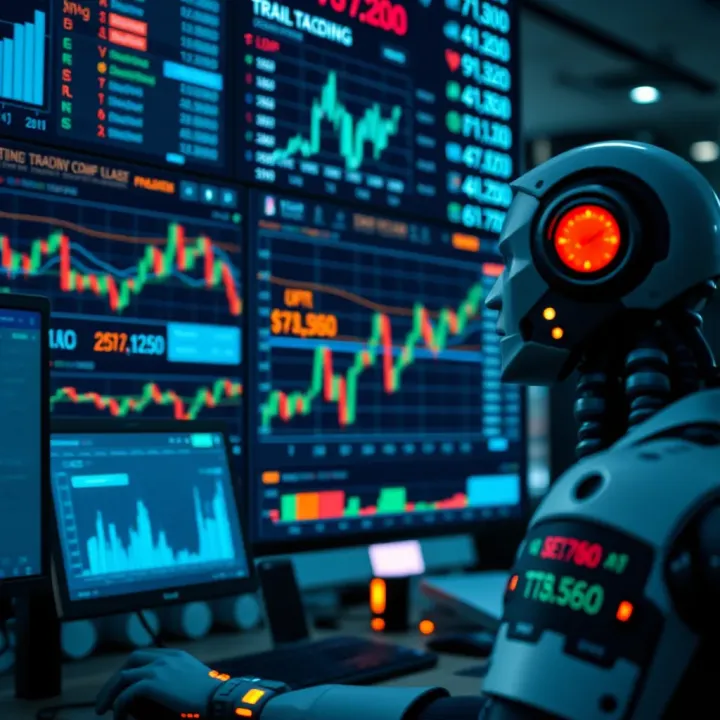
Understanding Robot Traders and Their Market Impact
Explore robot traders 🤖 in South Africa’s financial markets. Learn how these automated systems work, their risks, benefits, regulations, and tips for picking the right one.
Edited By
George Mitchell
Automated trading has quietly reshaped how financial markets operate, both here in South Africa and across the globe. Unlike traditional trading where human judgement guides every buy or sell decision, automated traders depend on algorithms—mathematical rules encoded into computer programs—to execute trades instantly and without ongoing human input.
At its core, automated trading enables systems to analyse vast amounts of market data and respond within milliseconds. This pace far outstrips any manual effort, allowing trades to take place at prices and volumes impossible for traders acting alone. You can think of it like setting a smart robot to watch the market and act immediately when conditions hit pre-set criteria, such as a price threshold or trend signal.
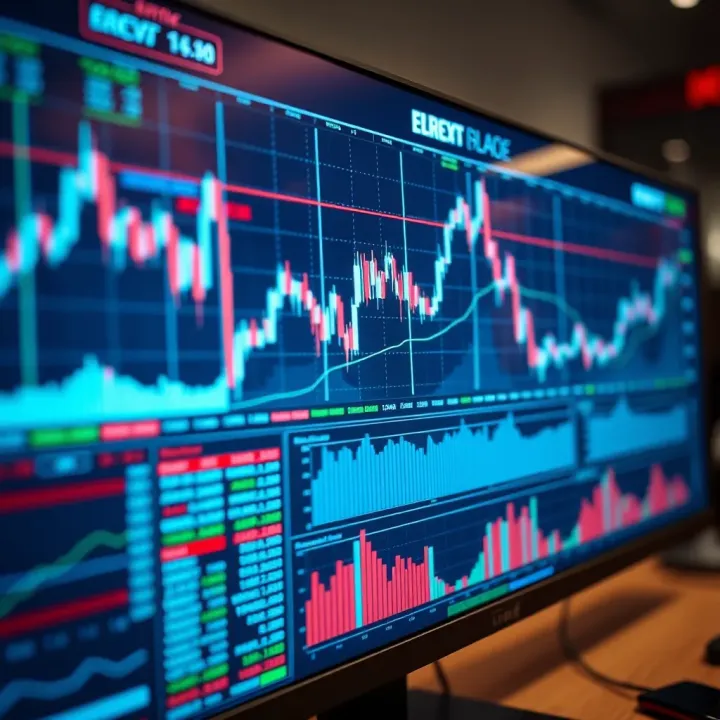
More specifically, these algorithmic systems typically involve strategies already tested on historical market behaviour to maximise the chances of profit. For instance, a momentum-based algorithm might detect a rising trend in a JSE share and buy shares before the price surges further. Alternatively, a mean-reversion strategy could automatically sell when a stock’s price shoots above its average, expecting it to settle back down.
South African traders and investors often use automated systems to manage portfolios more efficiently amid the practical challenges of our markets. Take the example of a local hedge fund using automation to handle thousands of trades daily, minimising slippage and manual errors. In addition, retail traders who can’t monitor markets 24/7 benefit by programming their trading bots to act on their behalf, even during the overnight hours when exchanges like the NASDAQ or London Stock Exchange operate.
Automated trading doesn’t just speed up trading—it systematically changes market dynamics by increasing liquidity, tightening spreads, and sometimes amplifying volatility, especially in South Africa’s smaller capital markets.
Understanding how these systems work, their strengths and weaknesses, and their overall impact helps you make more informed decisions—whether you’re managing risk or spotting new trading opportunities in South African equities or forex markets. The following sections will explore this in detail, offering clear insight into the operational mechanics, risks, and real-world effects of automated traders on financial markets worldwide.
Automated trading has become a staple in modern financial markets, reshaping how trades are executed on exchanges worldwide. It refers to the use of computer algorithms programmed to buy and sell securities automatically based on predefined criteria. This approach offers traders, from large institutions to retail investors, a way to tap into market opportunities quickly and with minimal human interference.
Automated traders use software systems that scan markets nonstop, reacting instantly to price changes, volume shifts, and other signals. These systems can operate 24/7 without fatigue, unlike manual traders who depend on constant attention and swift decision-making. For example, an automated trader might spot a sudden dip in commodity prices on the Johannesburg Stock Exchange (JSE) and place multiple orders within milliseconds to capitalise on the movement before human competitors respond.
The role of automated traders extends beyond speed. They help add liquidity to markets by consistently placing buy and sell orders, which can narrow spreads and improve pricing. Hedge funds, local banks, and even retail platforms increasingly incorporate automated trading to manage risk, maintain consistent strategies, and provide better execution for clients.
The most apparent difference is the execution speed. While manual traders often rely on instinct, market experience, and sometimes gut feeling, automated systems run purely on logic and mathematical models. This eliminates emotional bias—fear or greed that could influence human decisions.
Manual trading usually requires close monitoring of charts and market news, whereas automated trading runs in the background, following its programmed rules continuously. For example, a manual trader might miss a quick momentum shift outside office hours, but an automated system could respond instantly, securing a better price or limiting losses.
Another distinction lies in strategy testing. Automated systems allow for back-testing, where traders can simulate how their strategies would have performed in past market conditions using historical data. This is tough to replicate manually, particularly with high-frequency trades. In South Africa, where loadshedding and connectivity issues can affect human traders, automated systems provide an edge with consistency even during unstable conditions.
Automated trading is transforming market participation, making it essential for today’s traders and investors to understand its mechanics and implications.
South African traders should consider the ongoing rise of these systems on the JSE and global exchanges, as their impact grows daily. Getting familiar with automated trading opens doors to smarter, faster, and potentially more profitable investment decisions.
Automated trading systems rest on a few fundamental components that enable the quick and precise execution of trades without human interference. Understanding these key parts helps unpack how algorithmic trading shapes the markets and delivers advantages like speed, discipline, and data responsiveness.
At the heart of automated trading are the algorithms—sets of coded instructions that dictate when and how trades should take place based on pre-defined criteria. These strategies range from straightforward rules, such as buying when a stock breaks above its 50-day moving average, to complex models using machine learning that adjust to market conditions dynamically.
Take, for example, a momentum-based algorithm targeting blue-chip shares on the JSE. It might be programmed to identify rising volume coupled with price gains over a specified threshold, then execute buy orders instantly. Traders can back-test these strategies on past data to see how they would have performed, tweaking parameters before live deployment. This approach reduces guesswork and emotional bias that usually creeps in with manual trading.
Robust software platforms are crucial for running, monitoring, and maintaining automated trading systems. These platforms provide interfaces for strategy coding, back-testing, and trade execution. Popular global platforms like MetaTrader and NinjaTrader are widely adapted, but in South Africa, brokers such as EasyEquities and Standard Bank's online trading portals offer algorithmic trading capabilities tailored to local market conditions.
Software reliability is vital. Sudden crashes or latency can cause missed trades or unintended positions. Many platform providers offer cloud-based solutions to reduce hardware risk and improve execution times across geographical locations, ensuring trades happen speedily and accurately.
Data feeds form the lifeblood of automated trading systems. These inputs include real-time price ticks, order book depth, volume, and external indicators like economic releases or news sentiment scores. Algorithms interpret these signals to make split-second decisions.
In South African markets, data sources might include JSE price feeds alongside local macroeconomic indicators such as SARB interest rate announcements or commodity price changes affecting resource stocks. For instance, a sudden drop in the rand against the US dollar could trigger algorithmic adjustments in export-heavy portfolios.
The precision of an automated system depends largely on the quality and timeliness of its data inputs. Even milliseconds of delay can affect outcomes, especially in fast-moving markets.
By combining algorithmic strategies with reliable software and timely data, automated trading systems operate with high efficiency and minimal human error. For traders and investors, understanding these elements provides insight into the advantages and limitations of algorithmic approaches in South Africa’s financial markets.
Automated trading has steadily reshaped how financial markets operate, with benefits extending beyond sheer convenience. Its advantages are particularly noticeable in speed, decision-making consistency, and strategic refinement — aspects that traditional manual trading can struggle to match.
Automated traders can execute orders in milliseconds, far quicker than any human. This speed is vital in volatile markets where prices shift rapidly. For example, during a sudden spike in demand for a JSE-listed stock, an algorithm can respond instantly to lock in favourable prices before the opportunity fades. The efficiency also includes handling vast volumes of transactions simultaneously, enabling better liquidity and tighter spreads. Trading platforms like Bloomberg and MetaTrader offer algorithmic support that maximises these speed advantages, which institutional and retail traders alike try to harness.
Humans inevitably fall prey to emotions — fear, greed, or overconfidence — which often lead to poor trade choices. Automated systems rely on pre-coded rules, eliminating such emotional interference. Say a trader typically panics during sharp dips; an automated system will proceed according to its strategy instead, maintaining discipline. For instance, a programmed stop-loss order triggers automatically without hesitation, preventing larger losses that might occur if one stalls to second-guess.
Emotional control is a consistent challenge in trading, but automation enforces rationality by sticking to the plan.
One standout perk is the ability to test trading strategies against historical data before real money is on the line. This process, called back-testing, allows traders to refine parameters and understand potential pitfalls. For example, a South African retail trader might back-test a strategy on past JSE data, tweaking it until it yields steady returns by simulating market conditions, including load shedding disruptions that affect financial news timing. This iterative optimisation leads to more confident and robust algorithms, not achievable with manual methods alone.
In sum, automated trading systems offer clear advantages: faster trades, reduced emotional mistakes, and better-informed strategy development. These benefits, however, should always be balanced against risks and system limitations explored elsewhere in this discussion.
Automated trading systems have reshaped financial markets by offering speed and precision, but they come with their own set of risks and challenges. Understanding these pitfalls is vital for traders and investors to manage exposure effectively and navigate the market with greater awareness.
Automated traders rely heavily on technology, making them vulnerable to technical glitches such as software bugs, hardware failures, or connectivity interruptions. For instance, a software error could cause a bot to execute unintended trades, leading to significant losses in a brief moment. In 2012, the Knight Capital glitch in the US market resulted in a loss of around $440 million in under an hour due to faulty algorithm deployment. Beyond individual losses, these failures can ripple through markets, triggering systemic risks where multiple automated systems respond unpredictably, exacerbating volatility. In South Africa, where internet stability can vary, such risks are particularly relevant. Traders must ensure redundant systems, real-time monitoring, and fail-safes to minimise disruption.
Automated trading can intensify market swings due to rapid-fire order execution, sometimes leading to flash crashes or unintended price distortions. For example, coordinated algorithmic sell-offs may accelerate downward trends faster than human traders can react. Regulators globally, including the Financial Sector Conduct Authority (FSCA) in South Africa, scrutinise these systems to prevent market abuse such as spoofing or layering, where algorithms place and then cancel orders to mislead other participants. Compliance with local regulations emphasises transparency and risk controls. Firms should stay updated on regulatory changes, conduct regular audits, and implement ethical algorithm designs to avoid penalties and maintain market integrity.
While automated traders excel at executing predefined strategies quickly, they often struggle with adapting to unexpected market conditions, such as black swan events or sudden shifts in geopolitics. Algorithms operate strictly within the rules coded for them, making it difficult to interpret qualitative factors or evolving macroeconomic signals without human intervention. For example, during the onset of the COVID-19 pandemic, many trading bots were caught flatfooted, unable to adjust rapidly to unprecedented volatility and news flows. Traders should therefore review and update their algorithms regularly and consider hybrid approaches that blend automation with discretionary input to retain flexibility.
Automated trading offers efficiency, but recognising its risks—from technical breakdowns to regulatory hurdles—is key for responsible market participation.
In sum, while algorithmic systems boost trading speed and reduce manual errors, they also require robust technical infrastructure, active regulatory compliance, and ongoing strategy management to prevent costly mistakes and maintain smooth market functioning.
Automated trading is steadily gaining ground in South Africa’s financial markets, carving out a more prominent role especially on the Johannesburg Stock Exchange (JSE). This technological shift reflects the global trend where algorithms execute trades rapidly, often beyond the reach of manual traders. Locally, these systems have improved market liquidity and price discovery, though they come paired with distinct challenges and regulatory oversight.
The JSE, as Africa’s largest stock exchange, has seen an increase in algorithmic trading activity over the last decade. Automated traders contribute significantly to daily trade volumes, particularly in highly liquid shares such as Sasol, Naspers, and MTN. Their speed and efficiency help narrow bid-ask spreads, which benefits all market participants through lower transaction costs.
However, automated systems are mostly employed by institutional investors, hedge funds, and proprietary trading firms due to the technology costs and expertise required. Retail participation remains limited, though this is gradually changing as more brokers provide access to algorithmic platforms. Additionally, automated trading in South Africa now extends beyond equities to derivatives and forex markets, reflecting a broadening footprint.
Regulators have kept a close eye on automated trading given its potential to amplify market volatility. The Financial Sector Conduct Authority (FSCA) enforces rules aimed at ensuring stability and fairness. Traders using algorithms must comply with requirements such as pre-trade controls and risk management frameworks designed to prevent system malfunctions from triggering disorderly trading.
The JSE itself mandates member firms to have safeguards including kill switches and escalation protocols if automated systems behave unexpectedly. These regulations align with global standards but also account for local market features and risks. Furthermore, South African laws emphasise transparency, requiring firms to disclose the use of algorithmic trading when asked.
Access to automated trading tools is no longer the exclusive domain of large players—local retail investors can leverage algorithmic systems with relative ease today. Several South African brokers offer platforms integrated with algorithm creation and back-testing features, allowing users to design simple trading bots based on technical indicators.
Retail traders can benefit from automation by managing trades efficiently, especially during volatile periods impacted by Eskom loadshedding or global events. For instance, a well-coded algorithm can automatically place stop-loss orders or capitalise on rapid price movements without the need for constant monitoring.
While algorithmic trading carries risks, retail investors who educate themselves and test strategies carefully can use these tools to improve discipline and reduce emotional decision-making.
In summary, automated trading is a growing force within South Africa’s markets, shaping how trades occur on the JSE and beyond. Understanding the local regulatory environment and available technology is key for traders aiming to navigate this evolving space effectively.
Explore robot traders 🤖 in South Africa’s financial markets. Learn how these automated systems work, their risks, benefits, regulations, and tips for picking the right one.
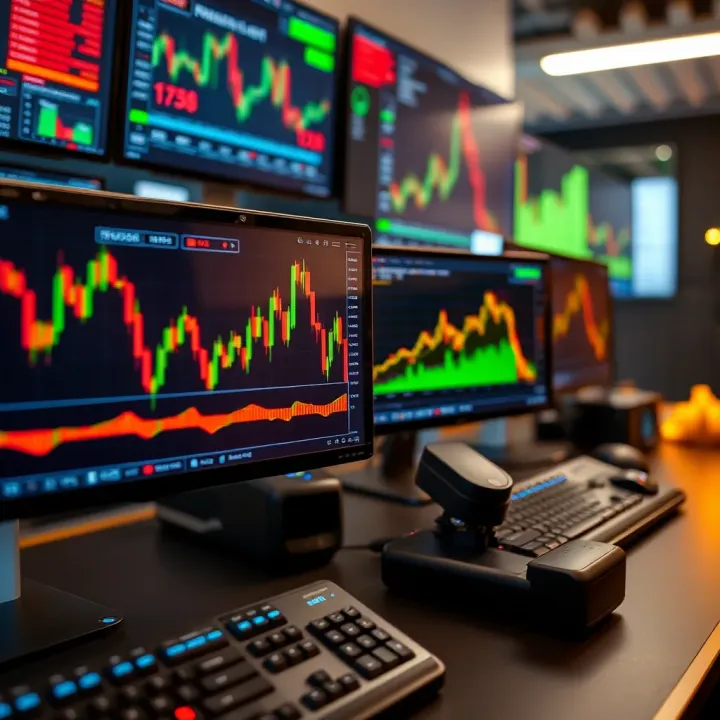
🤖 Explore how robot trading automates decisions, cuts emotional bias, processes data fast, and impacts South African financial markets—benefits and risks included.
📊 Discover how leverage works in RCG Markets, its effects on trades, risks, and key regulations. Get practical tips for smart trading in South Africa!
📊 Learn how stock indices reflect market moves in South Africa and globally, their makeup, and why they matter for investors and the economy. 🌍
Based on 14 reviews