

Smart Trading Tips for Better Investment Choices
📈 Discover smart trading strategies and tools to enhance your investment decisions. Learn risk management, tech tips, and stay ahead in South Africa's markets! 🇿🇦
Edited By
George Davies
Mobile trading apps have drastically changed how South Africans can access financial markets. With a smartphone, you can now manage investments, track the JSE, or trade shares without stepping foot into a broker's office. These apps bring convenience and real-time market insights straight to your pocket, making investment opportunities more accessible than ever.
You don't need to be a full-time trader to benefit from mobile trading. Many platforms cater to beginners, offering tools like educational content, simple interfaces, and easy deposit methods. Meanwhile, seasoned investors appreciate features such as advanced charting, direct market access, and portfolio analytics on the go.
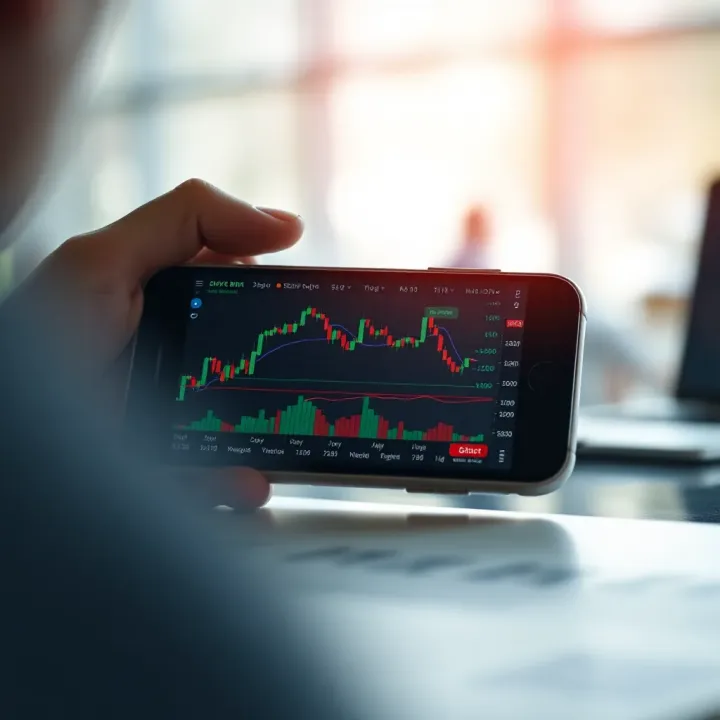
The ability to trade on your own schedule through a mobile app can make a real difference for South Africans juggling work, family, and other commitments.
Some notable local and international apps popular in South Africa include EasyEquities, FNB Securities, Standard Bank Online Share Trading, and international names like eToro and IG. Each has its unique strengths, whether that's low fees, user-friendly design, or extensive asset classes.
However, trading on mobile comes with risks. Market volatility can hit quickly, and the ease of access might encourage impulsive trades. You need to ensure secure logins and be aware of data privacy policies, especially considering the increase in cyber threats.
To get started, consider the following practical tips:
Check fees and charges: Understand transaction costs, platform fees, and withdrawal limits.
Assess ease of use: Choose an app with an interface you find intuitive.
Look for local support: Apps with South African customer service can help resolve issues faster.
Understand asset options: Make sure the app offers stocks, ETFs, or other products you want.
Prioritise security: Look for two-factor authentication and encryption.
In short, mobile trading apps have made the JSE and other financial markets available to more South Africans than before. Whether you’re tracking stocks during a commute or executing trades from home, these tools put you in charge. Still, it's key to choose wisely and stay informed to make the most out of mobile investing.
Understanding mobile trading apps is fundamental if you want to make the most of your investment opportunities on the go. These apps bring financial markets to your fingertips, allowing you to trade shares, ETFs, and other instruments directly from your smartphone. Getting to know how these apps function and their key features helps you avoid common pitfalls and use them efficiently to support your trading goals.
Mobile trading apps are software applications designed for smartphones and tablets that allow users to buy and sell financial securities. Their basic functions include displaying live market prices, facilitating order placement, and offering tools for account management. For instance, you can check the prices of blue-chip JSE-listed companies like Sasol or Naspers, place orders, and monitor your portfolio without needing a desktop computer.
In South Africa, popular platforms include EasyEquities, which is known for its low fees and beginner-friendly interface, and Standard Bank's Stockbrokers app, which caters to more seasoned investors looking for advanced features. These apps tailor access to local markets while also offering international trading options, which is handy for diversifying beyond the JSE.
At their core, mobile trading apps connect your device to financial markets through brokerage servers. This link is what enables you to receive updating stock prices and place trades in real time. Essentially, the app acts as a gateway between you and the market's electronic order books, seamlessly interacting so you can keep tabs on your investments wherever you are.
When you decide to buy or sell a share, the order goes through several steps: it’s submitted via the app to the broker, which then routes it to the exchange for execution. Confirmation typically reaches you within moments, so you know immediately whether your trade went through. This fast turnaround is crucial in volatile markets where prices can shift quickly.
One of the most useful aspects is the real-time data and notifications. Mobile trading apps push alerts about price movements, news updates, or your portfolio changes directly to your phone. For example, if Vodacom shares hit your target selling price, you might get a notification to act fast. This instant info helps you keep decisions timely without constantly monitoring screens.
Access to up-to-the-minute market information and the ability to act swiftly are key reasons mobile trading apps have become a staple for investors who want to stay ahead without sitting at a desktop.
In brief, understanding how these apps work and their practical features prepares you to trade smarter and stay in control no matter where you are.
Choosing the right mobile trading app depends heavily on recognising the features that matter. These features not only improve your trading experience but also enhance security and provide useful insights. Without them, you might end up fumbling with clunky interfaces, missing crucial market moves or, worse, exposing your personal details.
Ease of navigation is key for any trading app, especially on a small screen. Complex menus or slow-loading pages can cause frustration, or worse, lead to poor trade decisions when you’re scrambling to react to market shifts. A clean layout with intuitive taps and swipes makes finding what you need quicker and keeps stress levels down. For example, apps like EasyEquities are known for their straightforward design, making it a favourite among beginners and seasoned traders alike.
Customisable dashboards let you tailor what you see at a glance. Everyone has different priorities — one trader might want quick access to their watchlist and order status, while another focuses on live charts and news feeds. By customising your dashboard, you cut through the noise and catch what’s vital faster. This feature also helps traders manage multiple asset classes, such as shares on the JSE alongside forex pairs or commodities.
Encryption and data protection keep your details safe while you trade. Because mobile apps transmit sensitive information over networks (sometimes public Wi-Fi), encryption ensures data is scrambled and unreadable to eavesdroppers. Apps regulated by the Financial Sector Conduct Authority (FSCA) in South Africa must comply with strict data protection rules, giving you some peace of mind.
Two-factor authentication (2FA) adds an extra layer of security by requiring a second form of verification beyond your password — often a one-time code sent via SMS or generated by an authenticator app. This makes it tougher for hackers to break in, even if they get hold of your password. Given South Africa’s rising cybercrime rates, 2FA is not just an option but a necessity for any serious investor.

Charting and technical analysis tools let you track price trends, spot patterns, and time your trades better. An app with multiple chart styles, indicators, and drawing tools, like those provided by Standard Bank’s Webtrader, helps you make data-driven decisions instead of relying on gut feel alone.
Research reports and news updates keep you informed of the latest on-share developments, economic data releases, or company announcements. Having access to these without switching apps saves valuable time and makes your trading smarter. For instance, apps that integrate news from platforms like Moneyweb or MyBroadband provide timely local context that global apps might miss.
A trading app’s key features can make or break your investment journey. Prioritising ease of use, security, and rich tools ensures you stay ahead without unnecessary hassle.
Finding the right combination suits your style and goals—explore various options and test them before committing for real.
Mobile trading apps have transformed how people approach investing by making the stock market accessible from the palm of your hand. Knowing the benefits and risks helps you decide if mobile trading fits your style and circumstances. This section highlights the practical upsides alongside the pitfalls to watch out for.
Accessibility and convenience: One of the biggest draws of mobile trading apps is that you can trade anytime, anywhere. Whether you're waiting for your taxi, taking a quick break at work, or sitting on the stoep at home, you can monitor markets and make trades without needing a desktop computer. For South Africans juggling busy schedules, this accessibility removes traditional barriers like having to be at your broker's office during market hours.
Real-time notifications mean you don't miss key market moves. For example, if the JSE Top 40 drops suddenly, you can react quickly on your phone to protect your investments or seize opportunities before they pass.
Speed and flexibility: Mobile apps allow fast execution of trades. Unlike calling a broker or logging into complex desktop trading platforms, a few taps on your phone get your buy or sell order off immediately. This speed is crucial in volatile markets where prices can swing within minutes.
Flexibility extends to managing multiple portfolios or asset classes. Apps let you switch between shares, ETFs, or even forex trading without changing platforms, saving time and energy. This is handy for traders who keep an eye on various investments amid shifting economic news in South Africa.
Cost-effectiveness compared to traditional brokers: Mobile trading apps often come with lower fees and commissions than full-service brokers. Some platforms even offer zero-commission trades on certain securities, making investing more affordable, especially for smaller portfolios.
This lower cost structure appeals to young or first-time investors who may hesitate due to high initial fees. By cutting overheads, mobile apps open up opportunity for more South Africans to dip their toes into investing without a hefty upfront cost.
Market volatility and emotional decisions: The ease of access and real-time updates can be a double-edged sword. It’s tempting to overtrade or make snap decisions during volatile market moves, driven by fear or greed.
For instance, reacting to sudden JSE falls by panic selling may lock in losses unnecessarily. Without a clear strategy, trades made on impulse via a mobile app could lead to poor outcomes. It’s important to remain disciplined and follow your financial plan.
Technical issues and connectivity problems: Mobile apps depend heavily on stable internet connections. In South Africa, inconsistent mobile data or Wi-Fi outages—especially during loadshedding—can disrupt your ability to trade or access your portfolio.
An interrupted transaction could mean a missed opportunity or an incomplete order. Always ensure backup connectivity options and avoid trading right before scheduled Eskom outages. Poor app performance or bugs can also impact experience, so pick well-regarded platforms with good reviews.
Security vulnerabilities and scams: Trading on a mobile device exposes you to cybersecurity risks like phishing, malware, or hacking. Fraudsters may mimic legitimate apps or send fake SMS with prompts to steal login details.
For example, a user might receive a WhatsApp message claiming to be from their broker asking for password confirmation. Protect yourself by using two-factor authentication, constantly updating your apps, and never sharing personal info via messages.
Mobile trading offers exciting opportunities but demands vigilance. Taking advantage of its benefits means managing risks through tech awareness and emotional control.
Picking the right mobile trading app is a key step if you want to trade confidently and avoid unnecessary headaches. South Africa's market landscape comes with its own distinct rules, fees, and regulations, so not every app suits every trader. A well-chosen app offers not only ease of use but also security, fairness in charges, and reliable support, which can make a significant difference whether you’re a beginner or a seasoned investor.
The FSCA is South Africa's watchdog for financial services, ensuring trading platforms play by the rules. An app regulated by the FSCA has met standards designed to protect traders’ interests and uphold market integrity. Without this oversight, users risk exposing themselves to dubious platforms that may not safeguard funds properly or operate transparently.
By using an FSCA-registered trading app, you’re less likely to fall victim to scams or unfair practices. It also means there’s a formal process to lodge complaints if things go awry, which is a relief for many local investors.
Before signing up with a trading app, it’s smart to verify the provider’s licence status with the FSCA. Most legitimate apps proudly display their licence numbers. You can cross-check details through official FSCA resources. Additionally, look into user reviews and forums specific to South African users to gauge real experiences.
A credible app should also comply with laws like the Financial Intelligence Centre Act (FICA) and have clear terms on how your data and money are handled. Watch out for platforms operating offshore without local presence or support, as managing disputes or accessing help then becomes trickier.
Costs vary widely between apps. Some charge a small percentage per trade, while others offer zero commissions but might levy fees elsewhere. For example, a platform might promote free trades but charge monthly account fees or withdrawal charges that add up over time.
Understand the commission structure fully before committing. Frequent traders need apps with low per-trade costs to protect their profits, while occasional investors might prefer straightforward flat fees. Comparing the total cost of ownership helps avoid nasty surprises.
Beyond commissions, some platforms charge for real-time market data or premium features. In South Africa, JSE data access can be costly, and apps sometimes pass these fees on to users. Check whether basic data is free or if you’ll need to pay for essential market info.
Also, watch for account maintenance charges or minimum balance requirements. These add hidden costs that shrink your investment returns. A clear fee schedule available in local currency (Rands) is a must for transparency.
Having support that understands South African market quirks and legal frameworks makes trading less stressful. Local customer service teams can respond promptly during your business hours and offer advice relevant to conditions like load shedding affecting online trading.
Some apps provide live chat, phone lines, or even WhatsApp support specifically targeting South African users. This local presence builds trust and helps resolve issues fast, especially when dealing with urgent matters like technical glitches or withdrawals.
Many South African traders are new to mobile investing, so apps offering practical tutorials in plain language offer a real advantage. Look for training tailored to local standards and examples, including guides on how to manage risk, use the JSE platform, or understand tax implications with SARS.
Interactive resources like demo accounts, videos, or webinars make learning easier. An app that equips you—not just with a tool but with knowledge—gives you a more solid footing to trade confidently and avoid common pitfalls.
Choosing the right mobile trading app is about more than flashy features — it’s about trust, cost-effectiveness, and support that matches South African realities. Taking time to check regulation, fees, and local assistance pays off by making trading safer and more rewarding.
Starting to trade through mobile apps brings the JSE and other financial markets right to your fingertips, but it's vital to begin on the right footing. This section covers the essentials you need to know before making your first trade, ensuring a smooth and secure experience on your mobile device.
The registration process on most mobile trading apps is straightforward but requires attention to detail. You typically need to provide personal information such as your full name, South African ID number, contact details, and sometimes bank information for deposits and withdrawals. Using reliable apps like EasyEquities or Standard Bank Online Trading ensures that your data remains safeguarded during this initial step. Completing registration accurately prevents delays when you want to start trading.
Verification and compliance with South African laws is a crucial part of setting up your account, which means adhering to the Regulations under the Regulation of Interception of Communications and Provision of Communication-related Information Act (RICA) and the Financial Intelligence Centre Act (FICA). These laws help stop fraud, money laundering, and identity theft by requiring you to submit official identification documents. You might be asked for your trusty ID book or smart ID card and proof of address like a municipal account. Meeting these requirements can feel like a hassle, but it ultimately protects your investments and contributes to a more secure financial environment.
Diversification is one of the key strategies every new trader should understand. Rather than putting all your eggs in one basket, spreading investments across sectors and asset types helps cushion against sharp losses. For instance, mixing shares in gold mining companies with some in retail or financial services on the JSE offers balance when a particular sector faces headwinds. Alongside diversification, managing risks—setting limits on how much you invest or using stop-loss orders—protects your capital from large downswings.
Before diving into real money trades, using demo accounts or practice trades can serve as your training ground. Many apps like FNB's moBiliti Trading give access to simulated environments where you can test strategies without risking actual funds. This hands-on experience helps build confidence, familiarises you with market dynamics, and reduces the chances of costly beginner mistakes.
Protecting your personal data is a top priority given the rise of cybercrime. Always use strong passwords and update them regularly, alongside enabling two-factor authentication where available. Never share your login details or PIN with others. On your device, keep the app updated and avoid using unsecured public Wi-Fi for trading, which can expose your credentials to hackers.
Recognising phishing and fraud attempts helps you avoid falling prey to scams. Fake emails or messages pretending to be from your broker or bank may ask for sensitive info or urge instant action. If anything looks suspicious—like misspellings, mismatched sender addresses, or odd URLs—contact your broker directly using official channels. Remember, trustworthy platforms never ask for passwords or banking details via email or SMS.
Starting mobile trading is more than just downloading an app — it involves setting up securely, learning the ropes, and protecting your data from day one.
Getting these basics right can help you trade with confidence and make the most of the opportunities on your phone without unnecessary risks.
📈 Discover smart trading strategies and tools to enhance your investment decisions. Learn risk management, tech tips, and stay ahead in South Africa's markets! 🇿🇦
🤖 Explore how robot trading apps use algorithms in South Africa's markets, their pros and cons, top platforms, tech details, regulations, and smart selection tips.
Discover how The Forex Funder supports South African forex traders with funded accounts 🌍, plus key tips, risks, entry rules, and how to boost success 📈.
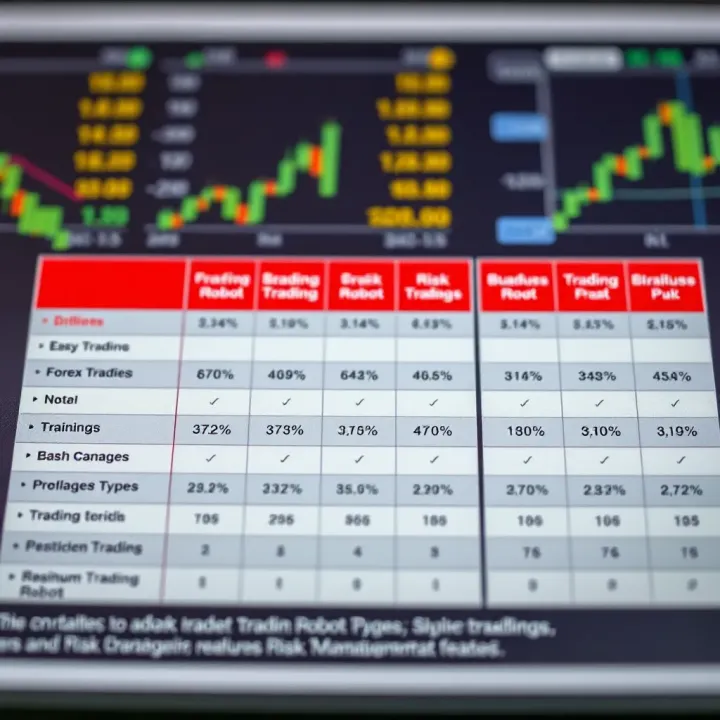
Discover how forex trading robots work 🤖, their pros and cons, types, risk tips, and future trends to boost your trading decisions successfully 📈.
Based on 8 reviews