
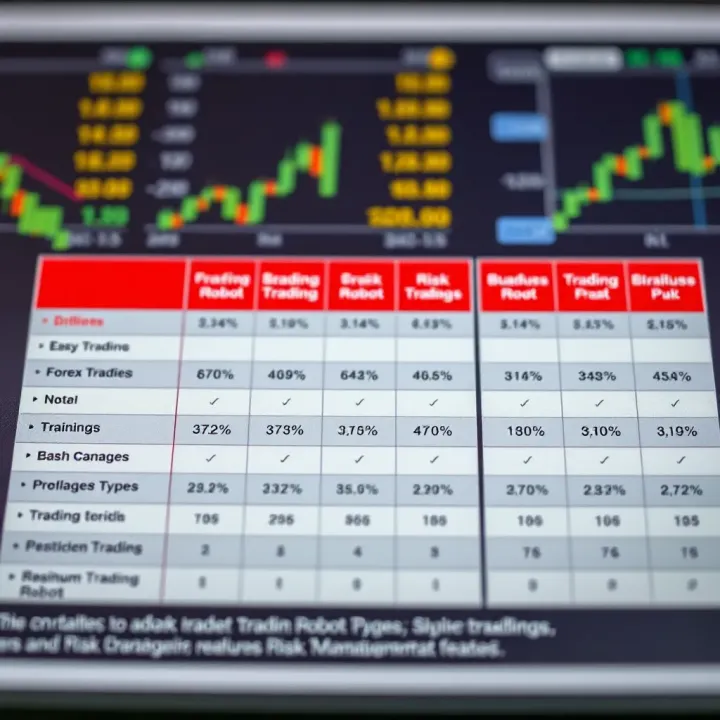
Understanding Forex Trading Robots: A Practical Guide
Discover how forex trading robots work 🤖, their pros and cons, types, risk tips, and future trends to boost your trading decisions successfully 📈.
Edited By
James Cartwright
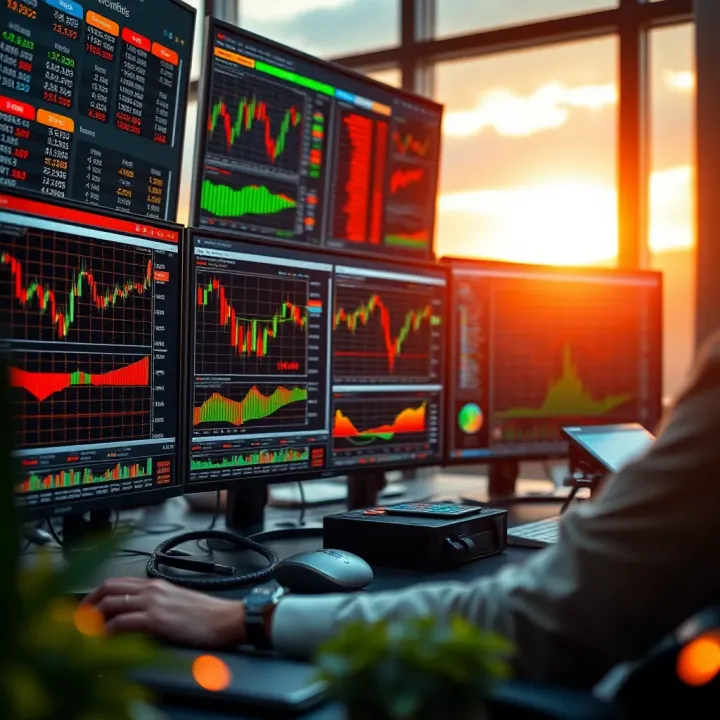
Mobile trading robots are reshaping how traders buy and sell assets on the Johannesburg Stock Exchange (JSE) and other financial markets. These software programmes act on algorithms to perform trades without the constant supervision of a human. The key drawcard is their availability on mobile devices—smartphones and tablets—making it possible to trade anytime, anywhere.
Trading robots typically connect to a broker’s platform via an app. They monitor real-time market data, spot patterns or signals based on pre-set criteria, and execute trades instantly. For example, a trader can set a robot to buy shares in a JSE-listed company if the price crosses a certain threshold or to execute stop-loss orders to limit risk.
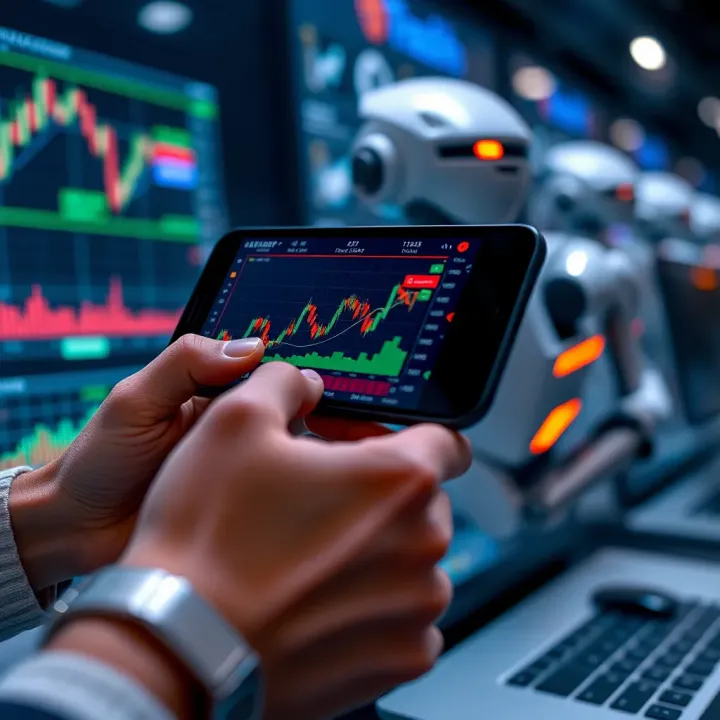
The real advantage is speed and consistency. These robots take emotions out of the game, executing trades strictly by logic.
South African traders find mobile trading robots especially handy given local challenges such as frequent data costs and Eskom loadshedding. Even with intermittent internet or power interruptions, many robots can resume or maintain trading once conditions stabilise, ensuring trades aren’t missed.
Some popular mobile trading platforms supporting bots include Plus500, IG Markets, and local brokers with mobile interfaces. They often integrate common trading tools like forex, commodities, and indices alongside JSE instruments.
Advantages:
Instant trade execution without manual delay
Continuous market monitoring around the clock
Less emotional bias in decision-making
Accessibility on the move, fitting South Africans’ dynamic lifestyles
But there are risks too. Robots work strictly on rules given, so faulty strategies can lead to rapid losses. Traders must understand the algorithms, monitor outcomes, and adjust as market conditions change.
In short, mobile trading robots offer a powerful way for South African traders to participate in the markets more efficiently and flexibly. Yet, careful setup, clear goals, and ongoing oversight are essential to make the most of this technology while avoiding costly mistakes.
Grasping how mobile trading robots work is key for anyone aiming to trade effectively using their smartphone or tablet. These robots automate trading decisions based on programmed rules, freeing traders from constantly watching the market. For South African traders juggling busy lives or dealing with interruptions like loadshedding, mobile robots offer a valuable way to keep trades running smoothly without being glued to a desktop.
Trading robots are software tools designed to analyse market data and execute trades automatically according to set strategies. Their purpose is to remove emotional bias and human error, allowing trades to happen faster and more consistently. Typically, they rely on algorithms—a set of rules or instructions—that assess market conditions and trigger buy or sell orders without manual input.
Traditionally, these robots ran on desktop platforms, requiring a fixed setup with reliable internet and power. However, the shift to mobile platforms has made trading more accessible. Traders can now manage these robots on smartphones or tablets, which means they can respond to market shifts while on the move, whether commuting in a taxi or taking a break during a braai.
At the core, mobile trading robots use algorithm-based trade execution. They run programmed strategies that scan market signals, like price trends or volume changes, to decide when to enter or exit trades. This automation cuts down on delays and mistakes common in manual trading. For example, a robot might be set to buy shares as soon as the price dips below a certain threshold, something a human might miss if distracted.
Real-time data is essential here. Mobile connectivity keeps the robot continuously updated with live market prices and news, which guides its decisions. South Africa’s improving 4G and 5G networks help maintain this flow, although traders should mind potential blackouts from loadshedding, which could interrupt mobile data and affect trade performance.
Finally, integration with brokers and trading platforms enables these robots to deploy trades directly from your mobile device. Most popular South African brokers offer apps compatible with common trading robots, letting users link their accounts and handle trades seamlessly. This integration ensures quick order execution and easy monitoring of trade history, balances and open positions, all through a few taps on your phone.
Understanding these technical facets equips traders to choose and use mobile trading robots wisely, balancing convenience with careful oversight for the best outcomes.
Mobile trading robots make it possible to trade wherever you are, at any moment. For South African traders dealing with unpredictable schedules or frequent travels, this means you aren't tied to your desktop. Just imagine sitting in a coffee shop in Cape Town’s CBD or waiting during a long taxi ride and still having full control over your trades through your smartphone.
The accessibility that mobile devices provide reduces the risk of missing out on market opportunities due to location or time constraints. Since the South African financial markets can be quite active during peak hours, having the ability to react promptly on your mobile device is a clear advantage.
Quick responses to market shifts can make a real difference when volatility hits. Mobile trading robots, powered by algorithms, can place trades instantly based on programmed triggers without the lag that human reaction times introduce. This automated speed helps South African traders react to global events or local news that affect exchange rates or stocks, especially in turbulent times like during the rand's fluctuation against the dollar.
Automated trade execution reduces the chance of human error significantly. Traders sometimes suffer from emotion-driven mistakes—selling too early out of fear or buying impulsively during hype. Mobile trading robots stick to their rules and strategies without second-guessing, maintaining consistency that is tough for humans to achieve continuously.

Beyond executing trades, these tools often allow backtesting, where you can simulate how your strategy would have performed using past market data. This is crucial for South African traders adapting to local market nuances like commodity price changes or interest rate shifts from the South African Reserve Bank (SARB). It allows algorithms to be optimised before risking real money on live markets.
Mobile trading robots can lead to lower costs compared to manual trading. Since trades are executed automatically through digital platforms, many brokers offer reduced fees or commission discounts for algorithm-driven trades. For traders in South Africa, where every rand counts, this saving adds up over time.
Moreover, automating the monitoring process saves time—one of the most valuable resources for anyone juggling work, family, or study alongside trading. Bots can track multiple markets and alert you or execute trades without you needing to stare at charts for hours. This efficiency lets South African traders focus on other priorities without risking missed opportunities.
Mobile trading robots provide an edge by combining speed, consistency, and cost-effectiveness, especially fitting for South Africa's dynamic market conditions and the need for accessible, reliable trading tools.
Mobile trading robots offer an easy way to trade on the go, but they come with their own set of risks that South African traders must weigh carefully. Understanding these risks helps you avoid costly mistakes and fine-tune your approach for better results.
Trading algorithms rely heavily on historical data and predefined parameters, which can leave them exposed during sudden market shocks. For example, during unexpected announcements—like a sudden change in SARB interest rates or political unrest—these robots might continue executing trades based on outdated assumptions. This lag can cause significant losses, especially in volatile markets like forex or commodities where price swings are rapid and unpredictable.
Most automated robots depend on backtested data to make decisions. However, this means they are only as good as the past market conditions they’ve seen. If market dynamics shift due to a structural change—say, new regulations affecting the JSE or foreign exchange inflows fluctuating sharply—the robot’s strategy may no longer fit. This blind spot can lead to poor trade selections and erode your capital if not regularly updated or monitored.
Using mobile trading robots means you depend on mobile internet networks, which can be patchy depending on your area or provider in South Africa. An unstable connection in the middle of a trade can result in delayed orders or partial executions, frustrating automated strategies. Imagine your robot trying to enter or exit a position, but the order hangs because your Vodacom or MTN signal drops briefly. Such interruptions can prevent timely reactions and amplify losses.
Your trading robot app contains sensitive login and financial data. Without proper security, malware on your mobile device or phishing attempts can expose your account to hackers. South Africa’s growing cybercrime rates make it crucial to use strong passwords, enable two-factor authentication, and keep your device updated. Otherwise, unauthorised traders might drain accounts or manipulate your trades without your knowledge.
Mobile trading robots and their providers must operate within South African regulations overseen by the FSCA. This includes rules on fair trading, transparency, and avoiding misleading client information. If your trading app isn’t FSCA-approved or complies poorly, you risk legal complications and even losing your investment. Always verify whether your platform meets local licensing and conduct codes before committing funds.
The Protection of Personal Information Act (POPIA) governs how personal data collected by mobile trading platforms must be treated. This requires platforms to secure your private details and obtain informed consent for data use. Should your robot’s developer handle your data carelessly, it can lead to breaches, fines, and loss of trust. South African traders should check that their automated trading service has clear POPIA-compliant privacy policies to safeguard personal and financial information.
Navigating these common risks with care can make all the difference. Traders who understand market volatility, ensure technical reliability, and follow regulatory guidelines are best placed to benefit from mobile trading robots without falling into avoidable pitfalls.
Selecting the right mobile trading robot and using it wisely can significantly impact your trading outcomes, especially in a dynamic market like South Africa's. With many options available, it's essential to understand what makes a robot reliable, how to align it with your broker, and how to manage it for consistent performance.
Before committing to a mobile trading robot, check how dependable the platform is. User reviews provide real-world feedback on issues like software crashes, speed of execution, and customer support. For example, a robot with consistently low ratings on forums or app stores might signal bugs or poor service, which could cost you money when timing is critical. Look for platforms with frequent updates and transparent performance reports.
It's worthwhile to try demo accounts where possible. Many reputable robots allow practice trading without risking real money, helping you get a feel for the interface and how trades execute on the go.
Not all mobile trading robots work seamlessly with South African brokers or support local market instruments. Verify if the robot integrates smoothly with brokers like EasyEquities, IG South Africa, or FXTM, which are popular locally. Compatibility ensures you can execute trades without delays or technical hiccups.
Additionally, confirm whether the robot supports trading on the JSE or specific forex pairs relevant to Mzansi traders. For instance, if you plan to trade South African blue-chip shares or commodity CFDs, your robot must handle these asset classes reliably.
Even though a trading robot automates decisions, you should define strict parameters upfront. Set maximum daily losses, take-profit levels, and stop-loss limits to guard your capital. For example, if your risk appetite limits you to losing no more than R500 a day, program the robot accordingly.
Clear rules prevent runaway losses during volatile sessions or unexpected market shocks, which robots can sometimes fail to manage without human oversight.
Automated doesn't mean "set and forget." Monitor your robot's trades regularly to ensure it adapts well to changing market conditions. A robot performing well over a month might suddenly falter after economic announcements or during Eskom-related load shedding periods that affect network connectivity.
Checking logs and trade histories can help you spot patterns or system glitches early, so you can intervene before losses mount.
Don’t rely solely on a robot’s claims of profitability. Understand the logic behind its trading decisions — whether it uses trend-following, mean reversion, or arbitrage methods. Familiarity with the strategy helps you judge when to pause the robot or tweak settings.
For example, a robot relying heavily on technical indicators might struggle during sudden geopolitical events, while one designed for scalping may require fast execution speeds not always possible on slower mobile networks.
Effective use of mobile trading robots combines smart selection, clear rules, and active management. It's the difference between a tool that assists your trades and one that works against you.
By carefully choosing platforms suited to South African markets, setting disciplined limits, and keeping a watchful eye on performance, you can make the most of automated trading on your mobile device.
Mobile trading robots are set to reshape how South Africans engage with financial markets. Their growing relevance ties directly to advances in technology and evolving trader behaviours. As these tools improve, they promise to make trading more accessible and efficient—but with some caveats to keep in mind.
Artificial intelligence and machine learning are changing the face of automated trading. These technologies allow trading robots to learn from vast amounts of market data and adapt their strategies. Instead of relying solely on fixed algorithms, AI-powered robots can adjust to new market conditions, spotting trends or anomalies faster than a human might. For instance, a South African retail trader using an AI-driven robot on a platform like IG or EasyEquities could benefit from more nuanced entry and exit points tailored to local market behaviour.
On the tech side, improved mobile network coverage and 5G play a vital role in mobile trading’s future. Faster and more reliable connections reduce lag, which is crucial when trades need to execute within split seconds. In South Africa, where network coverage is uneven in rural and township areas, 5G rollout by providers like Vodacom and MTN offers hope for wider real-time market access. Imagine a trader in Stellenbosch making quick decisions during Eskom’s loadshedding disruptions because their mobile network remains stable; that’s the sort of practical advantage at stake.
Retail traders in South Africa are increasingly joining the automated trading space. Smartphones are common, and platforms offering mobile trading bots — often integrated with local brokers — lower entry barriers. This growing participation owes much to greater digital literacy, cheaper data bundles, and accessible platforms like EasyEquities and ThinkMarkets. Individuals from diverse backgrounds can now participate actively in trading without needing expensive desktop setups.
The wider impact on South African financial markets is already visible. Automated trading robots contribute to higher market liquidity and trading volumes during local trading hours. However, they also introduce new dynamics, such as faster price swings driven by algorithms reacting to the same signals simultaneously. The JSE and currency markets feel these ripples, meaning traders and regulators must stay alert. Proper education on robot use and limits will help maintain fair market conditions while embracing the efficiency automation brings.
As mobile trading robots develop alongside AI and network tech, South Africans should watch carefully how these shifts change their trading strategies and the broader market environment.
In summary, the future points to smarter machines and faster connectivity delivering richer tools straight to your mobile device. By keeping an eye on technological progress and market trends, traders can seize opportunities while managing the risks inherent to automated trading.
Discover how forex trading robots work 🤖, their pros and cons, types, risk tips, and future trends to boost your trading decisions successfully 📈.
Explore The 5ers Trading Program 🤑: trade real capital with low risk, learn rules, benefits, and tips for South African traders looking to grow.
📈 Discover smart trading strategies and tools to enhance your investment decisions. Learn risk management, tech tips, and stay ahead in South Africa's markets! 🇿🇦
📈 Dive into trading with our South African guide! Understand markets, strategies, and risk to boost your trading skills safely and smartly. 🇿🇦💡
Based on 10 reviews