

Trading Guide for South African Traders
📈 Dive into trading with our South African guide! Understand markets, strategies, and risk to boost your trading skills safely and smartly. 🇿🇦💡
Edited By
Sophie Langford
CFD brokers open the door for South African traders to engage in contracts for difference (CFDs). Instead of buying shares, commodities, or currencies outright, you trade on their price movements. This means you can go long if you expect prices to rise, or short if you anticipate a fall.
CFDs offer a flexible way to access markets without owning the underlying asset — be it shares listed on the JSE, foreign currencies, or global indices such as the S&P 500. For example, you could speculate on the price movement of Sasol shares without actually buying any Sasol stock.
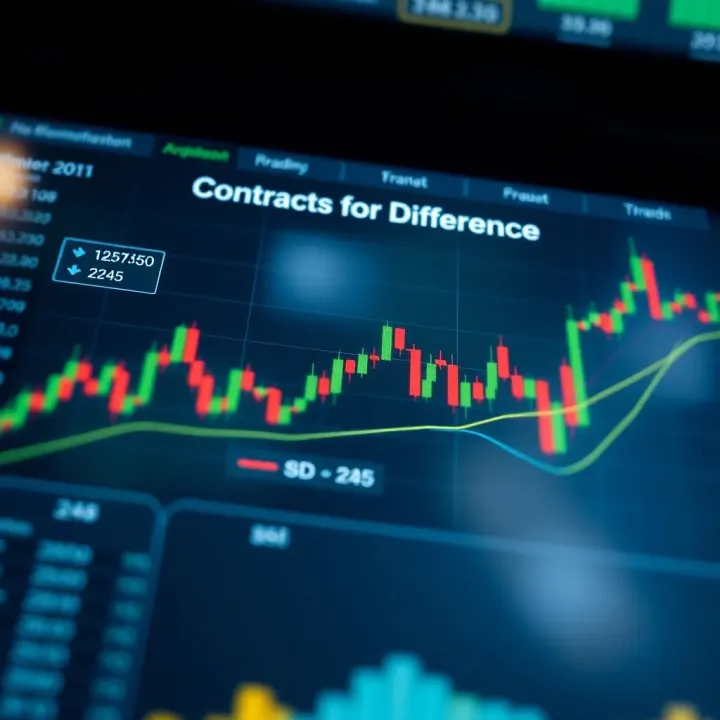
Unlike traditional share trading, CFDs come with leverage. This means you only need to put down a fraction of the total trade value to open a position. While this can boost potential profits, losses can also mount quickly, sometimes beyond your initial investment.
South African CFD brokers function as intermediaries, providing platforms to open, manage, and close CFD trades. Reputable brokers offer real-time pricing, research tools, and risk management features such as stop-loss orders. Many local brokers are regulated by the Financial Sector Conduct Authority (FSCA), which works to protect clients by enforcing standards around transparency, fair dealing, and capital requirements.
When choosing a broker, South African traders should consider factors like:
Regulation and licensing: FSCA approval ensures oversight and accountability.
Trading costs: spreads, commissions, and overnight fees can eat into profits.
Platform reliability: look for intuitive interfaces and minimal downtime.
Range of markets available: some brokers focus on local shares, others on a global spread.
CFD trading is not suitable for everyone; the use of leverage increases risk. Understanding the broker’s terms and the mechanics of CFDs is crucial before committing real money. Still, with careful planning and the right broker, CFDs can add variety and flexibility to a South African trader’s toolkit.
This article will help you understand how CFD brokers operate here in South Africa, what risks and benefits to expect, and how to pick an appropriate broker for your trading style.
Understanding what CFD brokers do is essential for any trader looking to explore contracts for difference (CFDs) as part of their investment strategy. A CFD broker acts as a middleman, giving you access to various financial markets without owning the actual asset. This setup opens doors to trade on price movements, whether the market is climbing or falling.
CFD brokers link traders to an array of asset prices by providing a trading platform. They don't sell the underlying asset but offer contracts that mirror asset price changes, so you speculate on whether prices will rise or fall. For example, if you believe gold prices will increase, you open a CFD position to benefit from that movement without physically buying gold bars.
Most brokers supply a wide range of CFDs including shares of South African companies like Sasol or Naspers, global indices like the JSE Top 40 or the S&P 500, commodities such as platinum or crude oil, and forex pairs including USD/ZAR. This variety helps traders diversify their exposure efficiently, all within one platform.
Trading CFDs involves opening a position by selecting an asset and deciding if you want to buy (go long) or sell (go short). Closing it involves reversing the deal to lock in profits or limit losses. For instance, if you opened a long position on the Rand-Dollar pair expecting the Rand to strengthen, you close the trade when your target price is met or to stop further losses.
Brokers offer leverage, allowing you to control larger trades with a fraction of the total value, known as margin. In South Africa, leverage is typically capped by regulators to reduce risk; for example, a 10:1 leverage means you put down R1,000 to control R10,000 worth of assets. While this magnifies gains, it also increases potential losses, so managing margin is key.
Your profit or loss depends on the price difference between when you open and close a position, multiplied by the number of units traded. For example, if you buy 100 CFDs of Naspers at R2,500 each and close at R2,550, your profit is (R2,550 - R2,500) x 100 = R5,000, excluding fees. Conversely, if prices drop, your losses reflect the difference similarly.
Trading CFDs demands clear understanding of how positions, leverage, and price movements work. Missteps here can quickly wipe out your capital, so taking the time to grasp these basics helps you trade with more confidence.
Trading through a CFD (contract for difference) broker brings specific advantages and risks that South African traders need to weigh carefully. Understanding these helps you manage expectations and tailor your trading strategy effectively.
CFD brokers usually offer a wide range of assets on their platforms, including shares, indices, commodities, and forex. For a South African trader, this means you can easily move between markets like the JSE Top 40 stocks, precious metals such as gold and platinum, or major international indices all from a single account. This variety saves time and reduces the need for multiple accounts or brokers.
Having local market access alongside global options also allows traders to tap into opportunities that suit their knowledge and interests. For instance, you might track the price of Brent crude oil while also speculating on the EUR/USD forex pair.

One important feature of CFDs is the ability to go 'long' or 'short'. This means you can potentially profit not only when prices rise but also when they fall. This flexibility is especially valuable in volatile markets or during times of economic uncertainty.
For example, if you expect the Rand to weaken against the US dollar due to local economic events or Eskom's impact on business, you can short the USD/ZAR pair. This is a practical edge over traditional investing, where profits come only from price appreciation.
CFDs are leveraged products, allowing you to control a larger position with a smaller amount of capital, known as margin. This makes trading more accessible, especially for those who cannot afford to buy large parcels of shares or commodities outright.
For example, to buy 100 shares in a company listed on the JSE might require tens of thousands of Rand, but with CFD trading, you only need a fraction of that to open a position. While this lowers the barrier to entry, it does come with added risks, which we'll discuss next.
Leverage works both ways. While it magnifies profits, it can also amplify losses beyond the initial deposit. South African traders sometimes underestimate this, getting caught out when a market suddenly moves against them.
For example, using 10:1 leverage means a 10% adverse move wipes out your invested capital. Without proper risk limits like stop-loss orders, losses can escalate quickly, especially in fast-moving markets.
Trading CFDs involves dealing directly with the broker as a counterparty. This relationship demands trust – the broker must be reliable, honest, and regulated. Unfortunately, some offshore or unlicensed brokers have left South African traders out of pocket.
Choosing a broker authorised by the Financial Sector Conduct Authority (FSCA) can reduce such risks. It ensures your funds are segregated and subject to oversight. Still, traders should check reviews and confirm valid licences before committing funds.
CFD markets can be highly volatile, with prices moving sharply due to news, economic data, or geopolitical events. While volatility creates trading opportunities, it also increases risk, with prices sometimes gapping beyond stop-loss levels.
For instance, a sudden announcement related to global commodities or an Eskom loadshedding development might cause swift swings in relevant asset prices. Traders need to stay informed and use risk management tools to navigate such unpredictability.
Proper education and cautious trading help manage both the benefits and pitfalls of CFD trading. For South African traders, local market knowledge combined with global perspective is a solid foundation.
In brief, CFDs offer South Africans a versatile and capital-efficient way to trade across many markets but carry risks linked to leverage, broker choice, and market swings. Staying informed and prudent is key to making the most of what CFD brokers provide.
Regulation plays a crucial role in ensuring that CFD brokers operate transparently and fairly within South Africa. Since Contracts for Difference (CFDs) often involve high risk and leverage, having a clear legal framework protects traders from unscrupulous practices or broker insolvency. The framework sets standards that brokers must meet, which builds trust and offers traders greater confidence when entering these markets.
The Financial Sector Conduct Authority (FSCA) is the watchdog that oversees financial service providers in South Africa, including CFD brokers. For a broker to legally operate here, they must secure a licence from the FSCA. This licensing requires brokers to comply with strict criteria around capital adequacy, client fund segregation, and fair dealing standards. For example, an FSCA-approved broker is required to keep client funds separate from its own business accounts, reducing the risk of traders losing money if the broker faces financial trouble.
Moreover, FSCA licensing ensures that the broker adheres to consumer protection rules, including clear disclosure of risks involved in CFD trading. This protects South African traders from hidden fees or unfair contract terms. In practice, it means that if a dispute arises, the FSCA can provide a regulatory mechanism for resolution, making your trading experience safer.
Trading through unregulated or offshore brokers carries significant risks. Without FSCA oversight, these brokers might not follow the strict standards South African authorities impose. This can lead to scenarios such as delayed withdrawals, misleading marketing, or outright fraud. Some offshore brokers operate in jurisdictions with weak regulation, making it difficult for South African traders to seek recourse.
To avoid these pitfalls, verify the credentials of any broker before engaging them. Check the FSCA’s official register or website for a valid licence number and confirm it matches the broker’s claims. Look for clear documentation on compliance and customer protections. Also, see if the broker offers support in South African Rands and local payment options, which often aligns with legitimate practices.
Engaging a regulated CFD broker is not just about legal compliance; it shields your funds, enforces fair trading, and provides an official channel for complaints.
In summary, regulation by the FSCA forms the backbone of safe and reliable CFD trading in South Africa. Choosing an FSCA-licensed broker greatly reduces the risk of fraud and can help you trade with confidence in these complex financial markets.
Choosing the right CFD broker matters a lot for South African traders because it directly affects your trading success and experience. It's not just about spotting the best prices but also about using a trustworthy platform that suits your skills and goals. Picking the wrong broker can lead to frustration, hidden costs, or even bigger risks.
A trading platform that’s easy to use and reliable plays a key role in effective trading. You want an interface that doesn’t get in the way—clear charts, quick order execution, and access to analytical tools help make smart decisions. For instance, platforms offering local market news, economic calendars, and real-time price alerts give you an edge in fast markets like the JSE or forex pairs involving the rand.
Besides accessibility, check if the broker's platform supports mobile trading for when you’re on the go. Many South Africans use mobile apps to follow trades or react quickly during volatility, so a clunky app can cost you both time and money.
Fees vary widely between brokers and can eat into your profits if you’re not careful. Spread—the difference between buying and selling prices—is a hidden cost making a difference, especially in frequent trading. Look for brokers offering competitive spreads on popular assets like the Top 40 shares or currency pairs.
Some brokers charge commissions per trade, while others make money from wider spreads. For example, if you trade CFDs on commodities like gold or platinum, compare which broker offers the better deal including overnight fees. Understand these charges before you commit, as smaller fees add up quickly over months or years.
Accessible and reliable customer support is vital, especially if you are new to CFDs. Issues might arise with deposits, withdrawals, or technical glitches, and having fast human assistance can save you from losing trade opportunities. Brokers that offer local phone lines or chat support in South African time zones simplify communication.
Also, check whether the support team understands your challenges and speaks your language comfortably. South African traders benefit from brokers who offer support in English and, occasionally, Afrikaans or isiZulu to ease understanding.
Depositing and withdrawing funds in South African Rands (ZAR) avoids extra currency conversion fees and delays. Make sure your chosen broker allows you to transact directly in Rands rather than forcing conversions through dollars or euros. This can save you Rands in hidden charges and currency fluctuations.
Quick payouts are also key. If your broker delays withdrawals or imposes hefty fees, it complicates your cashflow management. For example, during a period of high market volatility, having access to your funds when you need them can make a big difference.
Local payment options like EFT (electronic funds transfer), SnapScan, Zapper, or even mobile banking through Capitec and FNB make funding your account much easier. Avoid brokers who only accept international wire transfers or complicated cryptocurrency deposits, especially if you prefer not to deal with foreign banks.
Using payment methods familiar in South Africa also speeds up the process and avoids common hurdles like long bank processing times or foreign exchange restrictions. For instance, EFT payments are widely trusted and usually clear within the day during regular banking hours.
Picking a CFD broker involves more than just the balance of costs and tools—it’s about matching a platform to your lifestyle, trading style, and local banking ease. Taking time to evaluate these practical factors helps you trade confidently in South Africa’s unique environment.
Starting out with contracts for difference (CFDs) trading in South Africa involves more than just signing up on a platform. Given the country’s specific regulatory demands and market conditions, understanding the initial steps and basic practices ensures you don’t get caught off guard. This section sheds light on the essentials you need to know before placing your first trade.
CFD brokers licensed in South Africa must comply with Financial Sector Conduct Authority (FSCA) rules, which require traders to provide certain documents for identity verification. Typically, you’ll need a valid South African ID or passport, proof of residential address (like a municipal bill or bank statement), and sometimes a tax number. This process isn’t just bureaucratic red tape — it protects you and the broker against fraud and money laundering, ensuring a safer trading environment.
Most South African CFD brokers set a minimum deposit requirement, usually starting around R1,000 to R5,000. This sum is relatively small compared to some overseas platforms, making it accessible while still giving you enough margin to trade effectively. Keep in mind that starting with more than the minimum deposit might help manage leveraged positions better and provide some breathing room for market swings.
Managing risk is crucial right from the start. Because CFD trading involves leverage, losses can exceed your initial deposit if you’re not careful. Using stop-loss orders, setting realistic trade sizes, and avoiding excessive leverage help protect your capital. For example, limiting your exposure to 1–2% of your trading capital per position can shield you during volatile periods, such as when Eskom announces loadshedding stages that impact local markets.
Before risking real money, try out a demo account offered by most CFD brokers. These accounts use virtual funds and mimic live market conditions, giving you the chance to familiarise yourself with the platform, test strategies, and understand price movements without financial risk. Practising in a demo environment makes the transition to live trading smoother and builds confidence.
The markets don’t stand still, neither should your learning. Following reliable financial news sources, keeping track of local economic developments (such as SARB interest rate changes or JSE movements), and understanding global market drivers are key. Many brokers provide webinars or educational material—make the most of these. Doing regular market analysis sharpens your decision-making, turning trading from guesswork into an informed activity.
Starting with a clear head, solid preparation, and sensible risk control will put you in a much stronger position as a CFD trader in South Africa. Don’t rush — build steadily and learn continuously.
📈 Dive into trading with our South African guide! Understand markets, strategies, and risk to boost your trading skills safely and smartly. 🇿🇦💡
🔍 Explore RCG's minimum deposits for South African traders. Learn account types, payment methods, how they stack up against rivals, and smart investment tips.
Explore RCG Markets' trading platforms, account types, and reliable support, tailored for South African traders seeking transparent, regulated options 📊💼

📊 Discover how Pocket Options supports South African traders with diverse assets, multiple account types, secure payments, and smart risk management tips.
Based on 11 reviews