
Understanding Synthetic Trading in Modern Markets
📊 Explore how synthetic trading works in South Africa's markets, its advantages, risks, and why traders choose it over traditional methods for smart investing.
Edited By
Sophie Reynolds
CWG Markets is a financial services provider offering various trading options worldwide, including forex, stocks, commodities, and indices. For South African traders, understanding how CWG Markets operates and fits into the local trading scene is essential before committing funds or opening an account.
CWG Markets is an online broker that provides access to global financial markets via digital trading platforms, primarily MetaTrader 4 and their proprietary apps. This allows retail traders and businesses alike to participate in price movements across different assets without owning the underlying product directly.

Importantly, CWG Markets is not regulated by the South African Financial Sector Conduct Authority (FSCA). Instead, it claims regulation under international jurisdictions, which creates a need for local traders to exercise caution. Without FSCA oversight, South African traders might face limited local recourse if issues arise.
That said, CWG Markets offers several account types tailored to trading experience and capital. These range from basic accounts with lower minimum deposits to advanced accounts that provide tighter spreads and faster execution. For South African investors, understanding these account tiers is vital, especially when weighing fees, spreads, and leverage.
South African traders should carefully consider the risks of trading with offshore brokers without local regulation, including challenges around dispute resolution and fund security.
Fees and charges on CWG Markets typically come from spreads—the difference between buy and sell prices—and occasional commissions on certain asset classes. Since trading costs impact profitability directly, paying attention to the fee structure is necessary. Local traders also need to factor in currency conversion costs when funding accounts in Rand.
CWG Markets supports multiple deposit methods, including bank transfers and e-wallets, but availability may vary for South African clients. Trading platforms offer tools for technical analysis, automated trading, and 24/5 market access, all features that can benefit those familiar with global market rhythms.
In summary, CWG Markets presents opportunities across diverse assets but requires South African traders to understand the regulatory environment, account types, fees, and platform tools thoroughly. This foundation helps in making informed decisions and managing risks effectively in international trading.
Understanding what CWG Markets is and the services it provides is fundamental for traders and investors, especially within the South African context. This section sheds light on the company's background, the range of financial instruments it offers, and the trading services that local users can benefit from.
CWG Markets was established as a global financial services provider focusing on forex and contract for difference (CFD) trading. While relatively young compared to some international giants, it has steadily grown by targeting a diverse client base, including South African traders. The company emphasises user accessibility and trading flexibility, which appeals to both newcomers and seasoned professionals.
The history of CWG Markets reflects a focus on expanding digital trading options without overcomplicating the user experience. Although it doesn't carry South African domestic licences, it operates under international regulations, making it relevant for South African traders who understand the nuances of cross-border brokerage options.
South African traders should note that CWG Markets offers a variety of financial instruments. These include:
Forex pairs: Major, minor, and exotic currency pairs are all available, allowing traders to speculate on currency movements.
CFDs: Contracts for Difference let traders access markets like indices, commodities, and shares without owning the underlying asset.
Cryptocurrencies: Traders can also engage with popular digital coins, which is increasingly popular in the local market.
These offerings provide a broad toolkit for diversifying trading strategies and accessing multiple asset classes from a single platform.
CWG Markets provides forex and CFD trading options suited to various trading styles and risk appetites. The platform supports spot forex trading, which is attractive for traders wanting to capitalise on the currency fluctuations relevant to South African rand pairs like USD/ZAR or EUR/ZAR.
CFD trading expands beyond forex, covering indices such as the JSE Top 40, global commodities including gold and oil, and shares from international markets. This flexibility means a South African trader can switch focus quickly depending on market conditions.
CWG Markets' access to indices, commodities, and cryptocurrencies makes it more than just a forex broker, offering practical tools for broad portfolio exposure.
Regarding cryptocurrencies, CWG Markets offers trading in Bitcoin, Ethereum, and other major tokens. This access suits South African investors interested in crypto but wanting to avoid direct ownership or wallet management complexities. Plus, with volatile markets, CFDs provide a way to speculate both on upward and downward price movements.
In short, CWG Markets caters to a range of financial interests, allowing South African traders to engage with traditional and emerging markets under a single service umbrella. This breadth is especially valuable for traders looking to balance portfolios amid local economic shifts and global market trends.
Understanding the regulatory framework is vital for South African traders when choosing a platform like CWG Markets. Regulation provides assurance that the broker operates within certain legal and ethical boundaries, reducing the risk of fraud or malpractice. It also ensures that traders’ funds and personal data receive proper protection under law. For South Africans, who may face challenges such as currency volatility and limited access to offshore banking, knowing the regulatory status of their trading platform can add an extra layer of confidence.
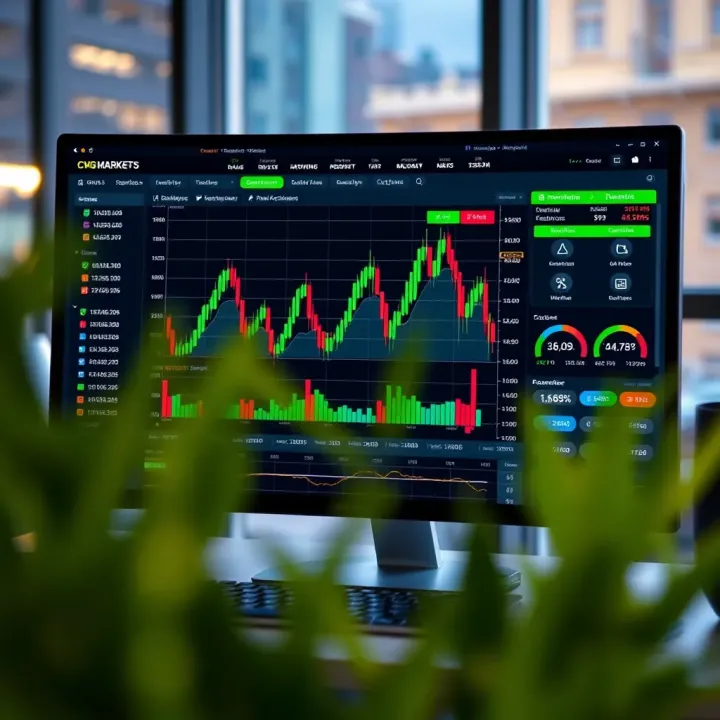
CWG Markets operates under licences issued by international regulators, such as the Cayman Islands Monetary Authority (CIMA) and the International Financial Services Commission (IFSC) in Belize. These bodies impose standards on brokers related to transparency, capital adequacy, and client treatment. However, these regulators are considered less stringent than key players like the UK's Financial Conduct Authority (FCA) or the South African Financial Sector Conduct Authority (FSCA).
From a South African perspective, the fact that CWG Markets is not directly regulated by the FSCA means local legal protections may be limited. South African traders should be aware that if issues arise, resolving disputes might involve international jurisdictions, which can be slower and more costly. Still, the platform’s adherence to international licensing standards offers a degree of legitimacy and oversight beyond unregulated brokers.
Awareness of a broker's regulatory framework should shape your trading decisions, especially in how you manage risk and choose where to deposit funds.
CWG Markets claims to keep client funds in segregated bank accounts, separate from the company’s operational accounts. This practice ensures that clients' money is protected in the event of the broker becoming insolvent. Such fund segregation is a critical safety measure, offering traders peace of mind that their deposits are not used to cover company debts.
Moreover, CWG Markets deploys risk controls like margin calls and stop-outs to protect traders from negative balances and excessive losses. These safeguards prevent traders from owing more than their deposited capital, which is particularly relevant given the volatile nature of markets such as forex and cryptocurrencies. South African traders can benefit from these tools to manage exposure, especially when leveraging positions. However, while these risk controls help, they do not eliminate all risks intrinsic to trading.
In short, understanding these regulatory and security aspects helps South African traders better assess CWG Markets’ reliability and make more informed decisions aligned with their risk tolerance and financial safety.
Choosing the right account type and trading platform plays a significant role for traders on CWG Markets, especially for South Africans navigating local market nuances and regulations. These elements shape your trading experience, from how much capital you need to start, to the tools at your disposal for making informed decisions.
CWG Markets generally separates accounts into retail and professional categories. Retail accounts suit the average individual trader and come with specific protections under international rules, such as restrictions on leverage. Professional accounts, more geared towards seasoned traders or institutions, allow for higher leverage but with fewer regulatory safeguards. This means experienced South African traders who understand the risks might lean towards professional accounts for greater trading flexibility, while beginners should stick to retail accounts for added protection.
The minimum deposit to open an account varies but typically starts from around R1,000 to R3,000. This makes it accessible for many South African traders, though some account types might require higher deposits reflecting the added benefits or services. Leverage options are also important; CWG Markets offers adjustable leverage, often up to 1:100 or even higher for professionals. The key is understanding that while leverage can amplify returns, it also increases risk significantly—an essential factor for anyone trading with borrowed funds.
CWG supports popular platforms like MetaTrader 4 and 5, both staples in global trading communities. These platforms are popular because they offer a stable, feature-rich environment for charting, executing trades, and running trading algorithms. For South African traders, it means easy access to a familiar interface with plenty of learning resources and community support.
Besides MetaTrader, CWG may offer its own proprietary platform designed to streamline trading and provide added features such as integrated news feeds or simplified order execution. Mobile apps are particularly crucial for South Africans who often rely on mobile data and need to manage trades on the go. CWG’s mobile offerings usually support both Android and iOS, ensuring traders can open or close positions, monitor market conditions, and receive alerts anytime, anywhere without sacrificing functionality.
Having robust charting tools and market analysis options is vital in a fast-moving market. CWG Markets integrates advanced charting packages that let traders use multiple technical indicators, draw trendlines, and perform backtesting. South African traders benefit from these features because they provide concrete signals to help craft trading strategies suited to local and international market conditions.
New traders, in particular, can find value in CWG’s educational resources. These often include webinars, tutorials, and written guides that break down complex concepts like risk management and market psychology into practical steps. This kind of support can notably reduce the learning curve, empowering those in South Africa’s emerging trading community to build confidence and trade more effectively.
Selecting the right mix of account, platform, and learning tools lets you trade smarter, manage risk better, and tailor your strategy to South Africa’s unique market environment.
Understanding the costs and fees attached to trading with CWG Markets is vital, especially for South African traders looking to manage expenses carefully. These charges directly affect your profitability, so it pays to know what you’re up against. Trading conditions, such as spreads, commissions, and financing fees, further shape your overall experience and outcomes.
Spreads represent the gap between buying and selling prices for an asset. For major currency pairs like EUR/USD or GBP/USD, CWG Markets typically offers competitive spreads, often starting from around 1.2 pips. This means you don’t pay hefty fees just to enter the market, which benefits traders aiming for frequent trades or scalping. However, spreads on exotic pairs or less liquid assets might be wider, so checking the exact numbers on the platform before trading is wise.
Financing fees, or overnight swaps, come into play if you hold leveraged positions beyond the trading day. Essentially, you’re charged interest for the borrowed funds enabling leverage. CWG Markets applies these fees according to the asset’s interest rate differentials and the direction of your trade (long or short). For South Africans, it’s essential to factor in these costs, especially if you prefer longer-term trades. Knowing how these charges accumulate can prevent unpleasant surprises on your account statement.
CWG Markets supports multiple secure payment methods favoured in South Africa. These include local bank transfers, major credit and debit cards, and e-wallets like Neteller and Skrill. Using a local bank transfer can be a straightforward, cost-effective way to fund your account, though confirmation times may be slower than instant payments.
Regarding withdrawals, the processing speed often depends on the chosen method. Card refunds might take up to five business days, while e-wallet withdrawals can clear more quickly. CWG Markets usually does not charge withdrawal fees, but your bank or payment provider may levy charges. South African traders should also be aware of rand conversion costs if depositing or withdrawing in foreign currencies.
Knowing the fine print on fees and timing helps you plan your trades and funds better, avoiding unnecessary delays or extra charges. Transparency in costs means you can focus more on trading smartly and less on worrying about unexpected expenses.
South African traders need to weigh the specific advantages and challenges of CWG Markets within the local context. CWG Markets offers access to a range of global trading instruments, which can diversify portfolios and potentially enhance returns. However, understanding how these services align with local regulations and market conditions is crucial before diving in.
CWG Markets caters to different skill levels, with straightforward account types and access to popular trading platforms like MetaTrader. Beginners benefit from educational resources and demo accounts for practice, reducing initial risk, while experienced traders can utilise advanced features such as leveraged trading and customisable platforms. For instance, a new trader in Johannesburg might start with the demo to familiarise themselves with forex pairs like USD/ZAR before committing real funds.
However, the downside for beginners is the inherent complexity of leveraged products offered, which require a good understanding to avoid significant losses. Seasoned traders might find CWG Markets’ product range sufficient but could seek platforms with more local market exposure.
CWG Markets offers support through digital channels, but localised customer service remains a challenge. South African traders often prefer quick, in-person assistance or at least support within SAST (South Africa Standard Time) to resolve time-sensitive issues. CWG’s support caters to multiple regions yet lacks a dedicated South African office, which might result in delays.
Despite this, payment options like EFT and familiar deposit methods align well with South African preferences, making funding and withdrawals smoother compared to some offshore brokers.
Leverage allows traders to control bigger positions than their deposit, amplifying both profits and losses. For example, with 100:1 leverage, a R1,000 deposit controls R100,000 of currency. If the market moves against a trader just 1%, they could lose their entire deposit. Given South Africa’s volatile economic landscape—think currency swings around election seasons—traders must approach leverage cautiously.
Managing risks involves setting stop-loss orders to limit downside and avoiding excessive leverage. Traders should also diversify across asset classes rather than putting all eggs in one basket, like over-concentrating on rand-based forex pairs during uncertain times. Regularly reviewing one’s portfolio in line with economic developments—such as SARB interest rate changes—helps stay ahead.
Protecting your investment isn't just about rules; it's about staying sharp, keeping emotions in check, and knowing when to step back.
Opening an account begins with submitting basic personal details and selecting an account type suitable for your experience and trading goals. For example, a retail account suits most casual traders, while a professional account offers higher leverage but requires proof of relevant experience. The process is online and typically straightforward.
CWG Markets follows South Africa’s Financial Intelligence Centre Act (FICA) obligations. This means you’ll need to provide a certified copy of your ID or passport, a proof of residential address no older than three months (like a municipal utility bill), and sometimes source-of-funds documents. These steps help prevent fraud and money laundering, giving you peace of mind while complying with local law.
This verification can take a few days, so it's best to have documents ready before registering, especially if you want to start trading promptly after funding your account.
📊 Explore how synthetic trading works in South Africa's markets, its advantages, risks, and why traders choose it over traditional methods for smart investing.
Discover key features & reliable support of RCG Markets.com tailored for South African traders 🇿🇦. Learn about accounts, fees, trading, & regulation today!

Explore the dynamic space markets 🚀, emerging players, economic opportunities, and South Africa's growing role in the global space economy 🌍.
Explore RCG Markets bonus accounts in detail—learn types, eligibility, benefits, withdrawal rules, and tips for South African traders to maximize gains 📈💰
Based on 9 reviews