
Understanding SmartTrader Features and Benefits
Discover SmartTrader's key features and benefits 💡 Insightful tips on trading in South Africa's market 🌍 Practical guidance for smart investing 📈
Edited By
Sophie Llewellyn
Forex trading can be a complex world, especially for those new to currency exchange markets. Fortunately, demo accounts give you a way to practise without putting your hard-earned R at risk. These virtual accounts mirror real trading environments so you can test strategies and get a feel for market movements.
Trading demo accounts work by providing you with ‘play money’ to trade currencies like the US dollar, euro, or rand on a simulated platform. This means you can experience how the forex market operates, including spreads, leverage, and order types, without losses affecting your wallet. This sandbox approach is crucial for both beginners and seasoned traders aiming to sharpen skills or try new approaches.
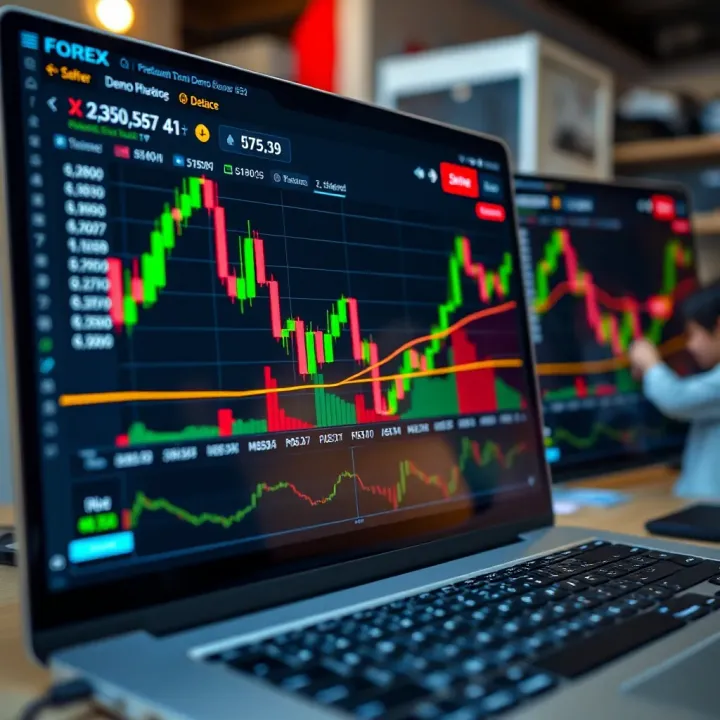
Using a demo account helps build confidence and develop trading discipline — often overlooked but essential steps before going live.
South African traders, in particular, benefit from demo accounts because of the unique challenges we face locally, such as volatile exchange rates and occasional market shocks. Demo trading allows you to familiarise yourself with tools offered by brokers active in Mzansi, like IG, Plus500, or local platforms connected to JSE-listed forex brokers.
Key features to look out for in a demo account include:
Access to real-time market data
Availability of various currency pairs
Ability to place different types of orders (market, limit, stop)
Inclusion of leverage settings similar to live accounts
An interface that replicates your intended live trading platform
Making the most of your demo account means treating it like real trading — practising risk management, recording your trades, and reviewing outcomes critically. Avoid common pitfalls such as ignoring demo losses due to ‘play money’ mindset or overtrading just because there’s no real financial consequence.
Ultimately, a forex trading demo account is more than a playground; it is a valuable training ground that helps South African traders build practical skills safely before committing real capital.
A forex trading demo account is a simulated trading environment that allows individuals to practise currency trading without risking real money. In essence, it offers the chance to experience the dynamics of the forex market using virtual funds. For anyone new to trading or even seasoned traders testing new strategies, demo accounts serve as a safe training ground. For example, a South African trader can open a demo account with brokers like IG or Plus500 to simulate trades in pairs such as USD/ZAR, experiencing real-time price changes without financial exposure.
The primary aim of a demo account is to familiarise traders with the mechanics of forex trading, including order types, leverage options, and the use of trading platforms. Key features typically include:
Virtual Capital: Traders get a fixed amount of fake money, often between R10,000 and R1,000,000 in value, to place trades.
Access to Real Market Data: Demo accounts usually mirror live market conditions, providing up-to-date price quotes and charts for different currency pairs.
Trading Tools and Indicators: Users can explore tools such as moving averages, RSI, and Fibonacci retracements to analyse markets.
No Financial Risk: Since no real money changes hands, traders can make mistakes and learn without worrying about capital loss.
To illustrate, a trader might test a momentum strategy on EUR/USD by placing virtual trades and adjusting stop-loss levels without the pressure of losing actual funds.
Despite offering realistic market scenarios, demo accounts don’t perfectly replicate live trading. The key differences include:
Emotional Detachment: Knowing there's no real money involved often means traders behave differently – they may take bigger risks or not stick to their trading plan.
Execution Speeds and Slippage: Live accounts can face delays or slippage during volatile market conditions, affecting entry and exit prices. Demo accounts usually execute trades instantly, missing these real-world nuances.
Liquidity Variations: Some brokers may limit liquidity simulation in demo modes, leading to price gaps or spreads that differ from live accounts.
For instance, during a busy news release affecting the Rand, a live trade might experience slippage or requotes, while a demo trade executes as if conditions were smooth.
Understanding these distinctions helps traders set realistic expectations and better prepare for the jump to live trading.
In short, forex demo accounts offer a practical way to learn and test without financial risk, but traders should be mindful that live environments will challenge both strategy and psychology differently.
Using a forex demo account before diving into live trading offers a risk-free environment to gain practical experience. Demo accounts allow traders to familiarise themselves with market dynamics and test their tactics without risking real money. For someone starting out or even those trying new strategies, practising here first lowers the chances of costly mistakes when real funds come into play.
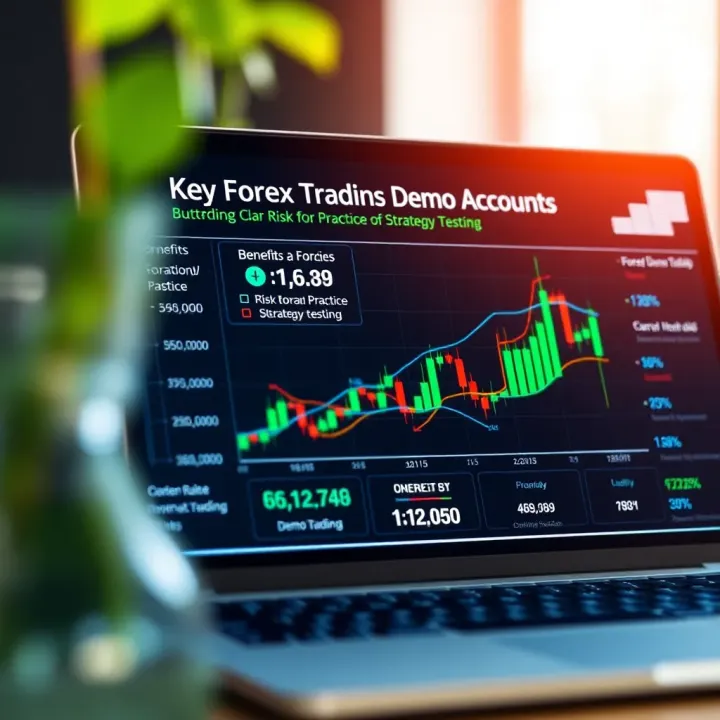
Demo accounts provide virtual funds for trading, meaning you can try out trades without the possibility of losing any Rands. This aspect is especially useful for beginners who need to understand how currency pairs behave and how trade execution works. For example, a trader can experiment with placing stop-loss orders and see what happens if the market swings sharply — without any actual losses. It’s a safe way to learn the ropes and avoid the frustration that comes with early financial mistakes.
A demo account is also a proving ground for strategies and tools. Whether you’re curious how a moving average crossover performs on EUR/USD or want to see how your chosen broker’s platform handles fast-paced trades, the demo lets you test all that. If you tried a scalping technique during peak London trading hours, you’d want to confirm it works smoothly on the platform without glitches or delays. This step helps spot any issues early on and adjust your approach without pressure.
Trading live can be nerve-wracking, especially when your own money is on the line. Practising on a demo account builds confidence by helping you get comfortable with market volatility, common patterns, and order types. For instance, seeing how the Johannesburg Stock Exchange’s impact on ZAR currency pairs affects prices can prepare you better. Over time, this familiarity reduces hesitation and bad decisions born from uncertainty. Having a feel for market rhythms before putting your cash down is vital.
Starting with a demo account is like learning to drive in an empty parking lot before hitting busy Johannesburg streets – it prepares you well and makes live trading less daunting.
In summary, demo accounts let you trade freely without financial risk, test strategies and platforms practically, and build your confidence in navigating market behaviour. South African traders especially benefit here as they can practice handling Rand pairs and timing trades around local market hours. Taking time with a demo account pays off when you move onto live trades with real money at stake.
When picking a forex demo account, it’s more than just ticking boxes—it’s about what helps you learn and prepare best for the real deal. Traders need demo accounts that mirror actual market conditions so the practice feels practical and not a far cry from trading with real Rands on the line.
A good demo account must provide realistic market data that updates in real time, reflecting actual price changes and market volatility. This means you get to see how currency pairs like USD/ZAR or EUR/GBP move during peak hours or around key announcements like SARB rate decisions. Pricing delays or static quotes make the demo a poor echo of real-life trading, potentially sandwiching you with bad habits or incorrect expectations.
For instance, during high-impact events such as the SARB's interest rate announcement, spreads often widen and volatility spikes. A demo account reflecting these shifts prepares a trader to handle such turbulence rather than being blindsided in live markets. So, look out for platforms that source their demo feed from live market data providers.
Beyond just buying and selling, forex trading relies heavily on tools and technical indicators to analyse market moves. Your demo should offer access to popular indicators such as Moving Averages, Relative Strength Index (RSI), Fibonacci retracements, and Bollinger Bands.
These tools help you spot trends, overbought or oversold conditions, and potential price targets. Having the same toolkit in your demo as in live trading builds muscle memory in using software features like setting stop-loss orders or trailing stops. For example, if you like MT4 or MT5 platforms, verify that the demo replicates its full suite of tools, not just a trimmed-down version.
A complex or clunky interface can discourage even the keenest trader. Demo accounts should feature straightforward, clear platforms making navigation and order execution intuitive. The aim is to let you focus on strategy rather than searching for where to click.
Good platforms often provide support options during demo trading too, whether through chat or email. This is especially handy in South Africa where internet connectivity may fluctuate. Fast, knowledgeable support can solve queries about order types or platform settings without spoiling your learning experience.
Choosing a demo account with realistic data, essential trading tools, and an easy interface isn’t just convenience—it shapes your understanding and confidence.
Taking the time to test these features ensures your practice sessions aren't just window dressing but solid groundwork before stepping into live forex markets.
Getting the most out of a forex demo account means treating it like a real trading environment rather than a playground. It’s a chance to develop solid habits and test strategies without risking your hard-earned rand. The demo account becomes a testing ground where you can sharpen your skills and fine-tune your approach before stepping into live markets.
Start by defining what you want to achieve with your demo account. Are you learning the basics of platform navigation? Or is your aim to master a specific trading strategy like scalping or swing trading? Clear goals help focus your practice sessions. For example, if you want to improve your reaction time to market changes, you could practise with short-term trades only. Setting targets like "Execute 10 trades with a 60% success rate" gives you measurable progress. Without clear goals, demo trading risks becoming unfocused and less effective.
Your demo account is the perfect stage to try out various trading methods and see what suits your style and risk tolerance. For instance, you might test how moving average crossovers perform compared to RSI (relative strength index) signals during volatile conditions. Try adjusting trade sizes, stop-loss levels, and take-profit points to understand how these affect outcomes. It’s useful to replicate live trading environments by factoring in slippages or spread widening, which some demo platforms simulate. Keep notes on what works and what doesn’t, so you make informed decisions when trading live.
Regularly reviewing your demo trading performance prevents repeating the same errors. Keep a detailed trade journal noting entry and exit points, reasons for each trade, and the outcome. For example, if you notice a pattern of losses when trading at certain times of day or with certain currency pairs, you can adjust accordingly. Many successful traders acknowledge that losses often teach more than gains. By analysing what went wrong, you develop discipline and refine risk management practices.
Using a demo account wisely gives you a low-stress environment to build skills, test strategies, and develop good trading habits before putting real money on the line.
In short, there's no point in just clicking trades for the sake of it. Embrace your demo account as a tool to grow your skills methodically and set yourself up for success in South Africa’s dynamic forex market.
Demo accounts are definitely useful but they aren’t a perfect reflection of live trading. It’s wise for traders, especially in South Africa’s volatile forex environment, to be aware of certain limitations before relying too heavily on demo results.
The emotional aspect of trading can be the biggest hurdle for many. In a demo account, it’s easy to make trades since you’re not risking real money. But when you switch to a live account, the pressure changes everything. Fear and greed kick in, sometimes leading to poor decisions or hesitation not experienced during demo practice. For example, a trader might close out a winning demo trade too early out of caution, but might hold onto losing live trades due to emotional attachment.
This emotional gap means traders should not expect the exact same behaviour or results when moving from demo to live. Practising mindfulness and emotional control is just as important as technical skills.
Demo accounts usually offer ideal trading conditions, often lacking real-world execution issues like slippage, requotes, or partial fills. Live markets, particularly during high volatility or thin liquidity periods common in emerging markets like South Africa, experience these challenges regularly. For instance, during Eskom load shedding announcements or unexpected economic data releases, price feeds can lag and spreads widen.
Such differences mean execution speeds and pricing in demo trading might not match what happens on a live platform. Traders should prepare for these discrepancies to avoid surprises and adjust their strategies accordingly.
It's easy to get carried away by consistent demo profits. This can foster overconfidence—a dangerous mindset when real money is at stake. Demo accounts don’t expose you to the psychological pressure or financial consequences you face live, so success there doesn’t guarantee live success.
Traders should use demo accounts as a learning tool rather than a crystal ball. Setting realistic goals and accepting that losses are part of live trading will lead to healthier habits and better risk management.
Remember, a demo account is a training ground, not a crystal ball. Knowing its limits keeps your feet on the ground when facing live market waves.
In summary, keep these key points in mind:
Trading emotions differ significantly between demo and live accounts.
Demo execution and liquidity are often smoother than real life.
Avoid reading too much into demo profits to prevent overconfidence.
Understanding these limitations helps South African traders make the smoothest leap from practice to real trading, managing expectations and risks effectively.
Discover SmartTrader's key features and benefits 💡 Insightful tips on trading in South Africa's market 🌍 Practical guidance for smart investing 📈
📈 Understand how Telegram Forex signals work for South African traders, spot reliable providers, manage risks, and boost your trading strategy effectively.
Discover how forex trading robots work 🤖, their pros and cons, types, risk tips, and future trends to boost your trading decisions successfully 📈.
📊 Learn how forex swaps impact your trading in South Africa. Understand swap rates, calculation, types, and ways to manage overnight costs effectively.
Based on 7 reviews