
Understanding Forex Trading Robots: A Practical Guide
Discover how forex trading robots work 🤖, their pros and cons, types, risk tips, and future trends to boost your trading decisions successfully 📈.
Edited By
Henry Wallace
Forex trading bots have become a popular tool for traders looking to automate their strategies in the fast-moving currency markets. These computer programmes execute trades on your behalf based on predefined rules, sparing you the need to watch the market every second. But how exactly do they work, and are they worth the investment?
At their core, forex bots use algorithms to analyse market data and identify trading opportunities. Some rely on technical indicators like moving averages or RSI (Relative Strength Index), while others adopt more complex strategies involving price action or news sentiment. Once conditions meet your preset criteria, the bot places a buy or sell order automatically.
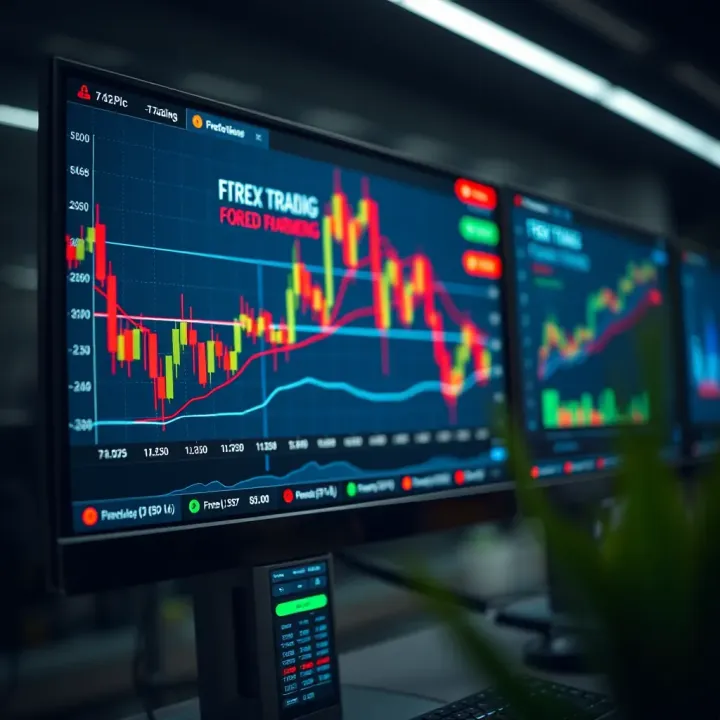
The benefit is clear: bots can react faster than humans and operate non-stop, which proves handy especially when juggling trading with a busy life. For example, a South African trader using a bot can capture trading moves happening in the middle of the night without losing sleep. They also help remove emotional decisions from trading, which often lead to costly mistakes.
That said, bots aren’t magic wands. Poorly programmed or misconfigured bots can drain your account quickly. Market conditions shift unpredictably, and a strategy that worked yesterday might fail tomorrow. South African traders should also consider the local context – such as currency volatility, spreads charged by brokers operating here like IG or Plus500, and risks relating to data connectivity during Eskom loadshedding.
While forex trading bots can enhance efficiency, they require careful setup, ongoing monitoring, and an understanding of their limitations.
In the sections ahead, we'll explore how to choose a bot suited for your trading style, discuss key risks, and share practical tips for integrating automation into your forex trading plan. You’ll find advice tailored to South African traders, taking into account broker options, regulatory aspects, and typical market scenarios.
Getting familiar with trading bots can feel like gearing up to navigate a new terrain. The aim is to give you the practical knowledge needed to decide if and how these tools can support your trading goals.
Whether you’re a seasoned trader or just starting out, understanding what makes a forex bot tick will help you trade smarter, not harder — and that’s a good deal in any market.
Understanding how forex trading bots operate gives traders a solid foundation for using them effectively. These bots work by automating trade decisions and execution, which can help reduce human error and increase efficiency. Knowing their mechanics clarifies what to expect and how to fit them into your trading strategy.
At the core of every trading bot lies an algorithm—a set of rules written in code that guides its decisions. Instead of relying on gut feelings, the bot analyses market data like price movements and volume to decide when to buy or sell currency pairs. For example, a bot might be programmed to buy when the USD/ZAR pair drops below a certain threshold and sell when it rises.
This approach ensures fast, consistent decisions that follow a specific strategy without being swayed by emotions or fatigue. In South Africa’s fast-moving forex markets, where rates can shift quickly, this kind of systematic decision-making can keep you ahead of manual trades.
One of the big advantages of trading bots is their ability to execute orders instantly. While a human might take seconds or minutes to place a trade, bots operate in milliseconds. This swift action matters in forex, where prices can change before you finish clicking.
Bots work 24/7 without breaks, so they can seize opportunities any time—even outside South African market hours or during volatile periods. This continuous operation helps you stay active and responsive, especially when manual monitoring isn’t possible.
Most forex trading bots use proven strategies adapted for automation. Popular ones include:
Trend-following: Buy or sell based on market direction.
Mean reversion: Position around the idea that prices will return to average levels.
Breakout strategies: Target moves beyond key support or resistance points.
These strategies are simplified into clear, executable rules that bots follow precisely. For example, a bot using trend-following might automatically buy when the 50-day moving average crosses above the 200-day average.
Trend-following bots aim to capture gains by riding currency trends. They rely on indicators like moving averages or momentum measures to identify and follow market direction. For instance, if the Euro is steadily gaining against the Rand, a trend-following bot will hold a buy position until signals suggest the trend is ending.
These bots suit traders interested in longer moves rather than quick flips. They tend to perform better in steady, directional markets but can struggle with sideways or choppy conditions.
Arbitrage bots look for price differences between two or more brokers or exchanges, buying currency cheaply on one platform and selling it at a higher price elsewhere. This exploits small market inefficiencies for consistent, low-risk profits.
In South Africa, where spreads and fees can vary between brokers like IG and Plus500, arbitrage bots might offer an edge. However, they require fast execution and tight monitoring because arbitrage windows often close within seconds.
Grid bots place buy and sell orders at set intervals above and below a base price to profit from market fluctuations. They don't require prediction of trend direction but work best in range-bound markets.
Scalping bots, on the other hand, execute rapid trades to capture tiny price changes, often holding positions for seconds or minutes. Both bot types demand quick processing and low transaction costs to remain profitable.
Understanding these bot types and their strengths helps you choose one that fits your trading style and the South African forex environment. Always test bots in demo accounts before committing real funds to avoid nasty surprises.
Forex trading bots offer several benefits that can make life easier for traders, but they also come with their own set of challenges. Knowing these can help you decide if automation fits your trading style and risk appetite.

One of the biggest advantages of trading bots is their total lack of emotion. While humans often fall prey to fear or greed—selling off in panic or holding on too long—bots stick strictly to pre-set rules. For example, if your bot’s algorithm indicates to exit a position once a certain stop loss level is hit, it will do just that without hesitation. This can prevent the costly mistakes many traders make during volatile or uncertain times.
Unlike human traders who need breaks and sleep, bots can monitor the foreign exchange markets around the clock. This is particularly handy given forex runs 24 hours over the week. South African traders can benefit greatly by having bots execute trades even during odd hours—say, when US or Asian markets are active while you are sleeping. This non-stop presence helps capture opportunities that might otherwise be missed.
Forex trading involves vast streams of data, including price charts, economic indicators, and news headlines. Bots can analyse this flood of information far quicker than a person could. For example, a bot might scan multiple currency pairs simultaneously and execute trades based on combined technical signals and economic releases, all in a fraction of a second. This data processing power can give you an edge, especially when market conditions shift rapidly.
Relying entirely on bots without human oversight can be risky. Bots function strictly on their programming, so if there’s a bug or if market conditions change suddenly, the bot might behave unexpectedly or generate losses. For instance, during the big Swiss franc move in 2015, many automated systems failed to adapt, leading to huge unexpected losses. That’s why ongoing monitoring and occasional manual intervention remain necessary.
Bots typically perform best in stable, trending environments. When markets turn choppy or unpredictable—as often seen during geopolitical tensions or economic surprises—bots can generate false signals or get stuck in losing patterns. Forex traders should know that no bot can guarantee profits, especially in times of extreme volatility common in emerging markets.
While some forex bots come free or at low cost, many require monthly subscriptions or performance fees, which can pile up. Additional costs may include higher data charges or fees from brokers for automated trading. In South Africa, where data costs can be steep, paying for a bot that constantly trades or accesses live feeds might not make financial sense if returns aren’t solid. Always check the fee structure carefully before committing.
Automation in forex trading isn't a silver bullet. It works best when combined with careful risk management and human judgment.
In summary, knowing the upsides and pitfalls of trading bots helps you make smarter, balanced decisions. Bots can eliminate emotional slips and work nonstop, but they’re no substitute for vigilance and understanding market realities.
Selecting the right forex trading bot can make a huge difference in your trading outcomes. A suitable bot not only aligns with your trading style but also adapts to the dynamics of the forex market. In South Africa, where brokers and platform reliability vary, picking a bot with a strong track record and local compatibility is vital. A poor choice could lead to missed opportunities or, worse, unnecessary losses.
Backtesting results and live testing are essential steps before applying any trading bot with real funds. Backtesting involves running the bot against historical market data to see how it would have performed in past conditions. While this can provide confidence about the bot’s strategy, it’s not foolproof. Live testing on demo accounts helps confirm performance under current market conditions without risking capital. For example, a bot that scored well during backtesting may struggle with unexpected volatility in live markets, especially during South African-specific events such as Rand fluctuations due to local economic reports.
Why does reputation matter? The reputation of providers reveals how trustworthy and transparent the bot developers are. Established developers usually offer detailed performance reports and regular updates. South African traders should favour providers with clear customer support channels and local presence or partnerships. This can reduce complications if technical problems arise, such as during Eskom load-shedding hours affecting internet reliability.
User reviews and community feedback round out your research. Other traders’ experiences often highlight hidden issues or confirm reliability over time. Participating in local trading forums or groups, such as those on MyBroadband or regional Facebook trading communities, can offer insights into how certain bots handle the South African market’s quirks and broker specifics.
Integration matters. Bots must work seamlessly with brokers popular here—like IG, Plus500, or local platforms—to execute trades efficiently. Compatibility affects order speed, data accuracy, and the availability of certain instruments. For instance, some bots may not support local Rand pairs or might face latency issues with South African servers.
Then there’s data costs and internet reliability. South Africa's average broadband speeds and data prices mean you can't afford a bot that hogs bandwidth or drops connections easily. Choose bots that optimise data use and have safeguards for intermittent connectivity.
Lastly, many bots operate via platforms like MetaTrader 4 (MT4) or MetaTrader 5 (MT5)—standards in South African forex trading. Using bots compatible with these platforms lets you tap into a wide range of broker services. Plus, you gain access to in-built tools for tweaking strategies, monitoring trades, and receiving alerts, making manual oversight easier.
Picking the right bot isn't just about smart algorithms. It involves thoughtful evaluation against practical realities, including platform fit, local conditions, and reliable support, ensuring your automated trading efforts have a solid foundation.
In short, your choice hinges on proven performance, trustworthy developers, community insight, and smooth integration with brokers and platforms common in South Africa. This groundwork helps protect your investment and makes automation a genuine aid, not a hazard, in your trading.
Using forex trading bots can make trading faster and less stressful, but it doesn’t come without risks. Managing those risks well is the difference between steady gains and sudden losses. This section explains why setting clear expectations and practical risk controls is essential, especially for traders who rely on automation in South Africa’s ever-changing forex market.
Trading bots don’t guarantee massive profits overnight. It’s tempting to expect steady, high returns just because a bot automates trades. However, even the best algorithms have limitations. Most bots aim for consistent, modest returns over time rather than quick windfalls. For example, a bot that targets 5% monthly returns might seem modest compared to manual trading promises, but it often reflects safer, sustainable gains.
Expecting the bot to perform perfectly in every market condition is unrealistic. The forex market is affected by countless factors—from geopolitical events to economic data releases—that no algorithm can predict with certainty. Having realistic targets helps you avoid overtrading or making rash decisions when losses come.
Forex markets can swing wildly due to sudden news or unexpected policy shifts, as seen during the rand’s volatility around recent SARB interest rate announcements. Bots follow predefined rules and can’t adapt like human traders in these moments unless programmed to pause or exit trades.
Understanding that market unpredictability is inevitable means preparing for times when the bot might underperform or trigger losses. You shouldn't rely solely on automation but expect some setbacks. For instance, a sharp moves due to loadshedding disrupting economic activity or political uncertainty can quickly jolt currency pairs.
Stop losses are an automatic way to limit how much you lose on any one trade. Setting these limits within your bot’s parameters prevents big losses when the market moves against your position. For example, if a bot enters a trade on USD/ZAR, a stop loss can be set to close the trade if the rand weakens beyond a certain threshold.
This control is vital for protecting your capital during volatile sessions, such as when unexpected economic data hit markets. Without stop losses, losses can balloon quickly, eroding your trading account.
Relying on one bot or a single trading strategy puts you at greater risk if circumstances change. Diversifying across different strategies—say a mix of trend-following and arbitrage bots—spreads risk and lessens exposure to sudden market swings.
Manual oversight remains crucial even when automation is in play. Regularly review bot performance and intervene if necessary. For example, if a bot starts underperforming during turbulent forex sessions or after economic shocks, pausing or adjusting settings can save you from bigger hits.
Forex bots need updates to keep up with shifting market dynamics and broker platform changes. Stale bots can miss out on new opportunities or fail to avoid emerging risks.
Monitoring your bot's trades in real-time helps spot issues early—such as technical glitches or slippage—that can cost you money. Imagine your bot stops responding after a MTN network hiccup; catching that quickly prevents compounded losses.
Well-managed risk controls and reasonable expectations are your best allies when automating forex trading. They help you navigate the unpredictable market and keep your capital intact while taking advantage of automation’s benefits.
Integrating forex trading bots into your existing strategy can boost efficiency, but it requires careful balance. These bots handle number-crunching and rapid trade execution, freeing you up from staring at screens all day. Still, keeping a hand on the wheel remains essential. Automation isn’t a set-and-forget tool; it works best alongside your own insights and oversight.
Bots operate based on pre-set algorithms, but markets can be unpredictable. You should step in manually when unusual events occur, like major geopolitical news or unexpected volatility. For instance, if Eskom announces an extended loadshedding stage that might impact market liquidity, relying solely on automation could lead to losses. Being ready to override bot actions protects you from costly errors during such events.
Manual intervention is also key during bot errors or if the strategy no longer suits changing conditions. Say a bot designed for trending markets starts losing money in a range-bound phase; switching off the bot or adjusting parameters can prevent further damage.
Regular review helps ensure your bot doesn’t drift from your goals. Weekly or monthly checks of performance metrics—like win rate, drawdown, and return on investment—allow you to spot trends early. For example, if your bot's performance steadily declines over weeks, updating algorithms or changing settings might be necessary.
These reviews also help you decide when to test new bots or strategies. You might run a new bot live with small stakes while still monitoring the current one closely. This hands-on approach reduces risks and refines your overall trading plan.
South African traders using forex bots need to keep a close eye on regulations from the Financial Sector Conduct Authority (FSCA). Automated trading isn’t banned, but it falls under broader market conduct rules designed to prevent manipulation and promote transparency. Compliance means using bots within broker guidelines and ensuring trades follow legal standards.
Non-compliance can lead to penalties or being banned from trading. For example, a bot that rapidly places and cancels orders to mislead the market could be flagged as illegal. Make sure bots operate fairly and transparently.
The Protection of Personal Information Act (POPIA) governs how personal data must be handled in South Africa. If your bot or trading platform collects personal or financial data, it must protect that information properly. For instance, storing login details insecurely or sharing them with unauthorised parties breaches POPIA.
Traders should confirm that platforms comply with POPIA, especially if bots require API access to accounts. Safeguarding sensitive data reduces the risk of fraud and builds confidence in automated trading.
Not all brokers support or allow forex trading bots equally. Some, like IG or Plus500, explicitly permit specified forms of automation under clear terms, while others might restrict or ban it.
Before using a bot, review your broker’s policy carefully. Brokers may impose limits on frequency, trade size, or types of strategies run by bots. Ignoring these rules can lead to account suspension or closure. Choosing brokers that welcome responsible automated trading and provide reliable support is crucial.
Combining bots with human control, respecting local laws, and understanding broker rules protects your capital and reputation as a trader.
Integrating forex trading bots into your routine is about balance — letting technology handle routine tasks, while you remain the strategic decision-maker. This approach safeguards your trading and helps you make the most of automation in the South African market.
Discover how forex trading robots work 🤖, their pros and cons, types, risk tips, and future trends to boost your trading decisions successfully 📈.
📊 Explore synthetic indices in financial markets—learn how they work, key risks, trading tips, and regulations, tailored for South African traders.
📊 Master key technical analysis chart patterns to predict markets confidently. Grab practical tips and find top PDF resources for smarter trading today! 📈

🤖 Discover how robot trading works in forex, exploring tools, strategies, key risks, and tips for choosing reliable bots to trade smarter and safer.
Based on 5 reviews