
Understanding Forex Trading Robots: A Practical Guide
Discover how forex trading robots work 🤖, their pros and cons, types, risk tips, and future trends to boost your trading decisions successfully 📈.
Edited By
Sophie Reynolds
Global financial markets operate almost round the clock, thanks to the staggered opening hours of major trading centres worldwide. For South African traders and investors, understanding the four key trading sessions—Tokyo, London, New York, and Sydney—is vital to navigating market volatility and spotting lucrative opportunities. Each session reflects the local time of its financial hub but can be translated into South African Standard Time (SAST) to align trading strategies effectively.
Market sessions influence liquidity and price movements. Liquidity tends to peak during overlap hours when two trading centres operate simultaneously, causing increased volatility that savvy traders can exploit. For instance, the London-New York overlap tends to spur swift price action in forex and equity markets. Conversely, periods outside these overlaps may see slower market movement.
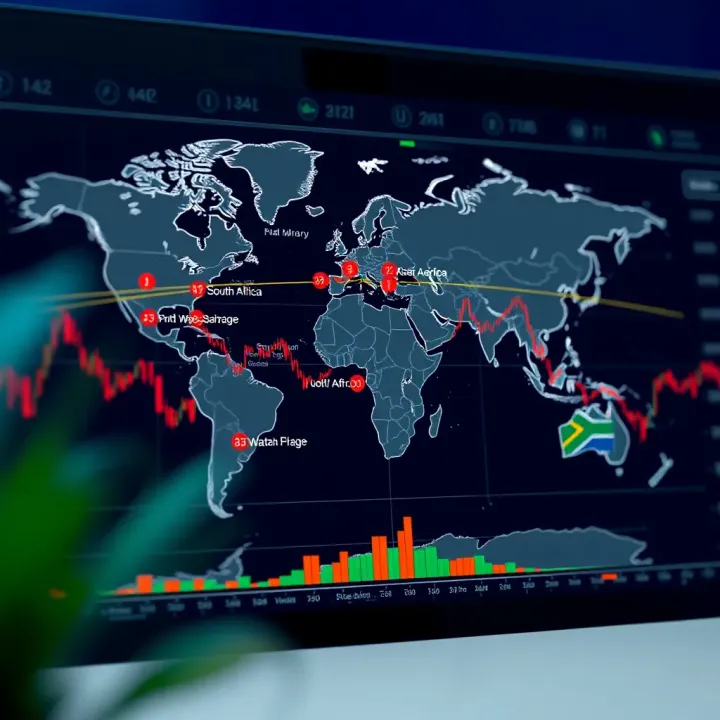
For South African investors, timing your trades around these sessions can mean the difference between catching the market wave or missing out.
Tokyo Session: Opens around 1 am SAST and closes by 10 am SAST. This session mainly involves Asian markets, influencing commodities like gold and certain currency pairs such as USD/JPY.
London Session: Runs approximately from 9 am to 6 pm SAST. London's financial centre acts as a major hub where European stocks and forex pairs experience heightened activity.
New York Session: Opens around 2:30 pm and closes at 11 pm SAST. US market news and economic data released here often cause significant market shifts.
Sydney Session: Starts around 10 pm SAST and winds down by 7 am SAST. Although typically quieter, this session can set the tone for the Asian markets.
Aligning your market activities with these sessions helps in:
Choosing the best times for trade entries and exits.
Anticipating volatility spikes, especially during session overlaps.
Monitoring news releases during relevant session hours to avoid surprises.
For example, if you trade the USD/ZAR pair, observing the New York session's data releases will give you timely insights since the US dollar heavily impacts this currency pair.
In summary, by converting global trading hours into South African time, traders gain a clearer picture of when markets are most active. This understanding can refine decision-making and enhance profit potential in local and international investments.
Understanding global trading sessions in South African Standard Time (SAST) is crucial for local traders and investors. Markets across the world operate in distinct time blocks—called trading sessions—which correspond to the business hours of major financial centres. Knowing these sessions in your local time helps you spot the best moments to trade when markets are active and liquidity is high.
For instance, the Asian session starts late evening SAST, involving markets like Tokyo and Hong Kong. Knowing this helps you prepare to catch early market moves. Similarly, the European session opens mid-morning SAST with London dominating, while the North American session kicks in later afternoon, covering New York and Toronto.
A trading session is basically the active period when a stock exchange or market is open for transactions. It’s not just about the hours but also the typical volume and volatility during these times. For example, the London session usually sees heavier trading volumes for currency pairs like EUR/ZAR and GBP/ZAR due to London's financial weight. Traders focus on these sessions because prices tend to move more, offering opportunities.
Since South Africa sits in SAST (UTC+2), matching this with global markets is key. Time differences can mean markets open or close at strange hours locally. For example, the New York session often overlaps with early hours in the morning SAST, which might mean waking up early or adjusting your trading routine. You also need to keep daylight saving changes in mind, as South Africa does not observe it but many foreign markets do.
Being aware of these timing challenges helps manage your risk and trade effectively. For example, Eskom loadshedding during the early morning before the European session opens can disrupt your connection or power, so planning ahead is essential.
By converting trading hours into SAST, South African traders can align their activity with market rhythms. This alignment makes it easier to follow news releases, economic data timings, and key price movements. For example, the Reserve Bank of South Africa’s interest rate announcements often coincide with European or North American sessions, affecting rand currency pairs.
Knowing the exact session hours in your own time zone lets you catch market trends when liquidity is strongest, avoiding gaps or thin trading periods.
In practice, this means:
Planning your trades around session overlaps for maximum liquidity
Adjusting for seasonal time changes in other regions
Being prepared for specific session traits, such as Asian session’s lower volatility or North American session’s higher price swings
This knowledge equips South African traders and investors with a practical edge to anticipate market behaviour globally while operating locally.
The Asian trading session runs from 2 am to 11 am South African Standard Time (SAST), covering the active hours of major Asian markets. This period is especially relevant for South African traders who prefer early morning activity before local markets fully come alive. Market activity during this session tends to pick up gradually, reaching a peak around 6 am to 9 am SAST when the Tokyo and Hong Kong exchanges are in full swing. For traders in South Africa, this session offers a quieter, often less volatile environment to spot trends early, especially in currencies and commodities influenced by Asian demand.
The Asian session features several influential exchanges: Tokyo Stock Exchange (TSE), Hong Kong Stock Exchange (HKEX), Shanghai Stock Exchange (SSE), and Singapore Exchange (SGX). The Japanese yen (JPY), Chinese yuan (CNY), and the Hong Kong dollar (HKD) see most of their trading in this window. For instance, mining companies listed on the SGX or commodities like platinum and palladium, which have significant demand from Asia, see price movements reflecting Asian trading flows. South African importers and exporters often keep an eye on this session to catch early signals in raw material prices and Asian economic indicators.
Volatility in the Asian session generally stays moderate compared to the European and North American sessions. Trading volumes are often lower due to the time zone, affecting liquidity in some instruments. However, at times of important economic data releases from countries like China or Japan, volatility can spike unpredictably. South African traders should be mindful that while the Asian session offers trading opportunities with typically less noise, sudden moves can occur in assets like the JSE-listed stocks with direct Asian exposure or currency pairs involving the yen and yuan.
For South African traders, understanding the Asian trading session helps time trades better and gauge Asian market sentiment impacting local equities and commodities.
To sum up, the Asian session offers a distinct window where traders can observe key market movements influenced by Asia’s economic pulse. By aligning their trading hours with this session, South African investors can anticipate market trends before the European markets take over, offering strategic advantages, especially in forex and resource-based sectors.
The European trading session typically runs from 9 am to 5 pm Central European Time (CET). South African Standard Time (SAST) is usually one hour ahead of CET during European winter months and aligns during European summer time due to daylight saving adjustments. This means the session effectively opens between 10 am and 6 pm SAST in winter and 9 am to 5 pm SAST in summer.
This timing overlaps with South Africa’s working day, allowing local investors and traders to engage with European markets during normal business hours. For example, if you’re trading forex or shares listed in London or Frankfurt, you can actively monitor movements without needing to work late into the night or at odd hours.
Europe’s major financial hubs include London, Frankfurt, Paris, and Zurich. London’s market holds particular significance for South African investors because of its size, liquidity, and influence over global currency and commodity markets.
Key instruments traded during this session include:
Equities: Shares listed on the London Stock Exchange (LSE) and Deutsche Börse are highly active.
Currencies: The British pound (GBP), Euro (EUR), and Swiss franc (CHF) see major volume spikes.
Commodities: European energy and metal commodities markets peak, impacting global prices.
For South African investors, this session offers opportunities to trade European blue-chip stocks, ETFs, and foreign exchange pairs directly linked to their local import-export activities or offshore portfolios.
The European session is marked by steady liquidity and moderate to high volatility, especially around key economic data releases such as the European Central Bank’s announcements or major corporate earnings.
Liquidity typically ramps up steadily from the open, peaking around midday SAST when both European and African markets are active. Activity then tapers toward the close. This pattern allows traders to plan entry and exit points with reasonable predictability.
South African traders should watch out for overlaps between the European and Asian sessions early in the day, as well as the start of the North American session later. These overlap periods often cause rapid shifts in price and offer high-volume trading windows.
Understanding the nuances of the European session helps local investors manage their exposure better, align trades with global trends, and seize timely opportunities without missing out due to time differences.
In sum, the European trading session holds a solid spot for South African investors, bridging local market hours with influential global activity. Familiarity with session hours, major centres, and behaviour patterns equips traders with a practical edge in their investment approach.
The North American trading session typically runs from 3:30 pm to 10 pm South African Standard Time (SAST). This timing corresponds to the opening and closing hours of major exchanges such as the New York Stock Exchange (NYSE) and NASDAQ. For South African traders, it means engaging with these markets in the late afternoon and evening. This can be convenient for those who manage other markets during the day and switch focus as the North American session unfolds.
The North American session plays a significant role in shaping the dynamics of currency pairs and commodity prices. The US dollar’s dominance means pairs like USD/ZAR—the South African rand against the US dollar—see increased movement and liquidity during these hours. Commodities linked to the US markets, such as gold and crude oil, also experience heightened volatility. For instance, crude oil futures often react sharply to news releases or inventory reports published during this session. South African traders tracking these commodities can find opportunities by aligning trade strategies with these timing patterns.
One important feature of the North American session is its overlap with the European session, roughly from 3:30 pm to 5 pm SAST. This overlap is marked by the busiest trading period with higher liquidity and tighter spreads, benefiting active traders. During this window, markets respond dynamically as both European and North American investors are actively trading, which can amplify price action. Conversely, when the North American session winds down, trading volumes taper off until Asian markets pick up again. Understanding these overlaps helps South African traders plan entries and exits more effectively, avoiding periods of low liquidity that carry higher risk.
Being aware of the North American trading hours and their overlaps with other global sessions can significantly improve timing and risk management for South African market participants.
By placing South African trading strategies within the context of this session’s timing, influence, and interaction with other markets, investors can better navigate global price movements and optimise returns.
Understanding the timing and behaviour of the four global trading sessions can help South African traders plan their strategies better. Each session has distinctive traits regarding volatility, liquidity, and market behaviour. By aligning trades with these characteristics, traders can minimise risks and increase their chances of capitalising on market movements.
Each trading session offers a different flavour. The Asian session, for example, tends to have lower volatility but can be useful for traders focusing on currencies like the South African rand (ZAR) paired with the Japanese yen or the Australian dollar. During this time, range-trading strategies or slower trend-following methods can work well.
When the European session overlaps with South African trading hours, market liquidity often improves, especially in forex and equities. This makes it a good window for day traders looking for tighter spreads and more pronounced price movements. For instance, stocks listed on the JSE might react to news from London or Frankfurt at this time.
The North American session often delivers the most volatility, especially around the open and close in New York. Traders dealing with commodities like gold or crude oil, which react strongly to US data releases, should time their trades accordingly to ride the bigger price swings or to protect profits using stop-loss orders.
Risk management is crucial and varies between sessions. During the more volatile North American session, tighter risk controls are advisable due to sharp price swings. Using proper stop-loss levels and adjusting position sizes helps avoid significant drawdowns, which can hit a trader hard, especially when sitting at home watching from SAST hours.
Conversely, quieter sessions such as the Asian market call for patience. Setting wider stop losses or avoiding aggressive trades can prevent being stopped out prematurely in choppy markets. Also, being aware of overlaps between sessions is important, as these periods often come with increased volume but can be unpredictable.
Monitor overlap periods closely: The European-North American overlap (around 3 pm to 6 pm SAST) often sees the highest liquidity and movement. Optimise your trading by targeting this window.
Use a trading journal: Track how your trades perform in different sessions. You might find certain strategies or instruments work better at specific times.
Keep economic calendars handy: Key economic releases from the US or Europe that impact emerging markets tend to occur during their respective sessions. Planning trades around these can yield better results.
Adopt flexibility: South African traders juggling full-time jobs may find certain sessions more accessible than others. Adjust your trading style accordingly, whether that means scalping during lunch breaks or setting automated exits.
Timing is everything in trading. Knowing when markets are active vs. calm helps you act smarter — not just harder.
By understanding session timings in SAST, South African traders can position themselves more effectively for local and international market movements. This awareness opens doors to smart entries, better risk control, and ultimately, a stronger grip on market opportunities.
Discover how forex trading robots work 🤖, their pros and cons, types, risk tips, and future trends to boost your trading decisions successfully 📈.
Discover how Sam Seiden's unique trading methods and teaching style have influenced traders globally. Learn actionable strategies for your trading success 📈💡
📊 Explore synthetic indices in financial markets—learn how they work, key risks, trading tips, and regulations, tailored for South African traders.
📊 Explore how synthetic trading works in South Africa's markets, its advantages, risks, and why traders choose it over traditional methods for smart investing.
Based on 9 reviews