

Binary Trading Explained for South African Traders
💡 Understand binary trading basics, risks, and strategies tailored for South African traders. Learn about options, regulations, and how to trade safely in SA markets.
Edited By
Amelia Clarke
Binary options trading platforms have gained traction among South African traders looking for straightforward investment tools with clear outcomes. At their core, these platforms let you bet on whether the price of an asset—be it a share, currency, or commodity—will rise or fall within a fixed timeframe.
How binary options work is simple: you predict the movement of an asset’s price by a set expiry time, often between minutes and days. If your prediction is correct, you earn a predetermined payout, typically between 60% and 90% of your stake. If not, you lose your initial amount. Unlike traditional trading, there’s no need to buy or own the underlying asset — it’s all about the price direction.
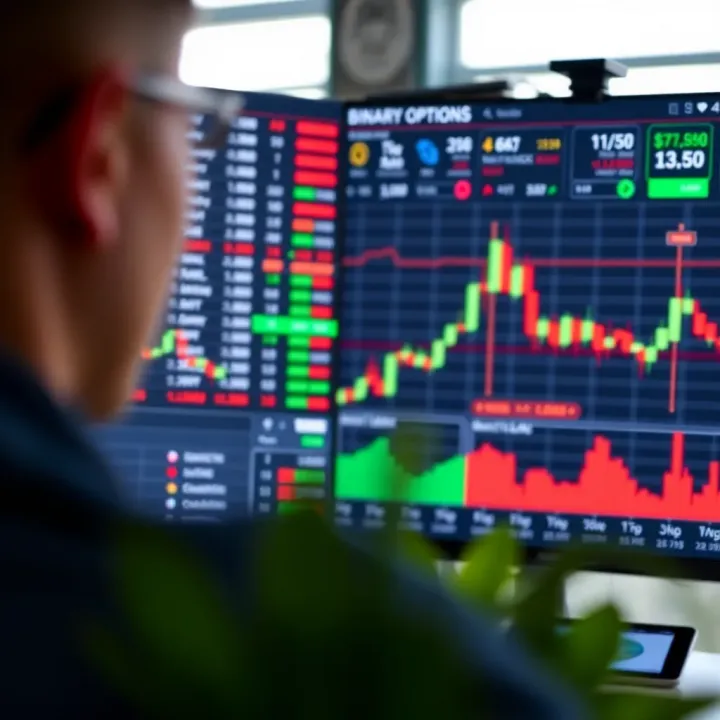
South African traders should weigh several key features before choosing a platform:
Asset selection: Top platforms offer a range of assets including JSE stocks like Sasol or Naspers, major forex pairs, and commodities such as gold and platinum.
Expiry times: Look for flexible expiry options (from 60 seconds to several days) that suit your trading style.
Payout percentages and fees: Higher payouts mean better returns, but watch out for hidden fees or unfavourable trade conditions.
User interface and support: Simple, clear dashboards and localised customer service make the experience smoother.
Remember, binary options trading is high-risk. The all-or-nothing payout means losses can pile up quickly if you’re not careful.
Traders should also pay close attention to regulatory considerations. In South Africa, the Financial Sector Conduct Authority (FSCA) has set stringent rules to safeguard investors against unauthorised platforms. Many international binary options sites operate without FSCA approval, which adds risk. Only dealing with FSCA-licensed brokers or those registered with recognised overseas authorities provides a layer of protection.
To manage risk effectively, consider these practical tips:
Start with small stakes while you learn the platform’s mechanics.
Use demo accounts to practise without risking real money.
Avoid chasing losses; set strict limits on how much you’re willing to lose daily.
Keep updated on market news that could affect asset prices, such as South Africa’s interest rate changes announced by the SARB.
In short, binary options platforms offer clear potential if approached with knowledge and caution. Understanding how they function, recognising the risks, and choosing a reputable platform are the first steps in trading smarter within the South African context.
Understanding how binary options trading platforms operate is essential if you want to navigate this market confidently. These platforms are your gateway to the somewhat high-risk, fast-paced world of binary options trading, providing the tools and interface required to place trades efficiently and accurately.
Definition and concept of binary options: A binary option is a financial instrument where you predict whether the price of an asset will go up or down over a fixed period. You don't actually buy the asset itself; instead, you place a bet on the price movement's direction. The outcome is binary—either you win a fixed payout or lose your initial stake.
Take, for example, a trader betting R500 on a currency pair like USD/ZAR, speculating it will rise in the next 15 minutes. If the prediction is correct, they might get a R900 payout (R500 stake plus R400 profit). If not, the entire R500 is lost. This all-or-nothing structure makes binary options straightforward but risky.
How trades are structured: Trades are set up by choosing the asset, the option type (typically 'Call' if you expect the price to rise or 'Put' if you expect it to fall), and the amount to wager. Each trade has an expiry time, after which the outcome is decided.
For instance, a South African trader might select a commodity like gold and predict the price direction with an expiry of one hour. The simplicity of this structure is a big draw, as you know upfront your potential profit or loss before placing the trade.
Expiry times and payout mechanisms: Expiry times vary widely—from as short as 30 seconds to several hours or days. The payout is typically a fixed percentage of your wager, commonly ranging from 70% to 90% depending on the platform and the asset.
If your prediction proves right at expiry, the platform credits your account with the payout. If not, the stake is forfeited. This clear cutoff and fixed return make it easier to manage trades, though they demand a solid understanding of market fluctuations.
Platform functions and user interface: At their core, binary options platforms provide real-time price data, trade placement, and management tools. A user-friendly interface is critical to ensure traders can make decisions quickly without fuss.
For example, platforms like IQ Option or Nadex give clear visuals, easy navigation, and fast order execution, which help traders avoid missed opportunities in volatile markets. This is especially useful in South Africa, where internet speeds and connectivity can vary.
Types of assets available for trading: Most platforms offer a variety of assets, such as forex pairs (USD/ZAR, EUR/USD), indices (JSE Top 40), commodities (gold, crude oil), and sometimes cryptocurrencies like Bitcoin.
Having this range allows traders to diversify their bets and take advantage of movements in different markets. South African traders, for example, might focus on local assets like the JSE index or commodity prices influenced by the rand.
Order execution and price indication: Execution speed affects whether the trade opens at the intended price, especially in fast-moving markets. Platforms show current prices, often pulled from underlying markets, but slight differences or delays can impact outcomes.

An efficient platform will execute orders promptly and provide transparent price feeds. Traders should check if the platform’s price ticks match live market prices on resources such as financial news portals or trading apps, ensuring their trades aren't based on outdated information.
In short, knowing how these platforms function and what to expect during trades helps you approach binary options trading with clearer eyes and tighter control over your finances.
When selecting a binary options trading platform, the features it offers can make a world of difference to your trading experience and success rate. Knowing what to look out for saves you time and helps avoid platforms that look flashy but lack essential functionality or security. We focus on practical aspects like user experience, available assets, trading tools, and security measures—elements that directly impact how smoothly you can trade and protect your investment.
Mobile and desktop compatibility is non-negotiable in today's fast-paced market. A platform that performs well on both desktop and mobile means you can trade wherever you are, whether you're at home on your laptop or commuting with your cellphone. For instance, a trader in Johannesburg might start a position on their PC before heading out, then check or close the trade via a smartphone app during a taxi ride. This flexibility ensures you never miss a trading opportunity due to device limitations.
Ease of navigation and clarity of information matter a lot, especially for traders who rely on fast decisions. A clutter-free interface where account balances, open positions, and expiry times are clearly displayed reduces mistakes. Platforms like IQ Option or Olymp Trade offer intuitive layouts where beginners can find their way easily. If you're constantly hunting for where to place trades or interpret data, you risk missing valuable moments in volatile markets.
Having accessible language and dependable support options rounds off good user experience. Not everyone is comfortable trading in English only, so platforms that provide multiple language settings and prompt customer service enhance inclusivity and build trust. If something goes wrong with a transaction late at night, quick support can stop losses from mounting.
The range of financial instruments available affects your ability to diversify. Look for platforms offering popular assets beyond just forex pairs—like indices, commodities (for example, gold or platinum), and even certain stocks. This variety allows tailoring strategies to changing market conditions and personal preferences, which can be crucial during unpredictable economic cycles.
Charting tools and technical analysis indicators embedded in platforms empower traders to read price movements and plan accordingly. Simple moving averages, Bollinger Bands, or RSI indicators help make informed calls rather than relying on guesswork. For example, a trader spotting a resistance level on the SAP 500 index chart can anticipate price behaviour better.
Demo accounts deserve a special mention; they let you practise without risking real money. This feature is vital for testing strategies in a risk-free environment, especially for beginners or when trying out a new platform. It can help identify errors in analysis before committing funds.
Strong data protection goes beyond just having a firewall. Platforms must encrypt user information and comply with standards like POPIA (Protection of Personal Information Act) to safeguard your details. Some platforms also implement two-factor authentication (2FA), adding a tougher layer against unauthorised access.
Transaction security ensures your deposits and withdrawals are processed safely, without exposing your financial details to fraudsters. Opt for platforms partnering with reputable South African banks or trusted payment providers such as SnapScan or Zapper, which offer secure payment gateways.
Platform uptime and performance cannot be overlooked. Slow loading times or unexpected downtimes during crucial market moments can spell disaster. The best platforms maintain high uptime with minimal delays, supported by stable servers. A trader once missed closing a position due to platform lag during an Eskom loadshedding period, highlighting why dependable performance is essential.
When picking a binary options platform, weigh each feature carefully. The right combination of user-friendly design, asset diversity, and robust security spells the difference between a smooth trade and costly errors.
Understanding the risks associated with binary options trading is vital to avoid costly mistakes. Many traders, especially those new to the market, underestimate how quickly losses can mount or fall prey to misleading platforms. Taking a measured, informed approach helps you protect your capital and trade with a clear head.
High risk and potential for loss: Binary options are often pitched as an easy way to make money, but the reality is harsh. You’re essentially betting on a yes/no outcome within a fixed time – if you're wrong, you miss out completely. This all-or-nothing approach means you can lose your entire stake rapidly. For instance, if you place R1,000 on a call option expecting a stock to rise, and it falls instead, you lose R1,000 all at once. This intense risk requires solid awareness and caution.
Common scams and misleading offers: The binary options world isn’t short on warning signs. Frauds and scams happen when platforms promise guaranteed returns or pressure you into depositing more funds. There have been reports of sites manipulating payout advertisements or refusing to process withdrawals. Consider a trader who signs up via a flashy ad promising 90% payouts only to find unclear terms and delayed withdrawals. Being cautious protects you from falling into these traps.
Importance of managing stake sizes: Managing how much you put on each trade keeps you from wiping out your account quickly. Think of it like riding a bakkie carefully through rough terrain; going slow and steady avoids flips. Setting limits—say, risking 1-2% of your total trading capital per trade—means a series of losses won’t drain you. This discipline is especially essential with binary options because one wrong call can cost your entire stake.
Status of binary options trading in South Africa: Trading binary options isn’t explicitly banned but it falls within a grey area regulated by the South African authorities. Many locals use offshore platforms, which raises concerns about consumer protection. Without clear local safeguards, South African traders have little recourse if issues arise. This uncertainty makes knowing the legal context crucial before trading.
Role of the Financial Sector Conduct Authority (FSCA): The FSCA oversees financial services in South Africa, including trading platforms operating locally. They provide licences and regulate conduct to protect consumers. However, most binary options platforms targeting South Africans operate from abroad and often lack FSCA approval. Traders should check if a platform appears on the FSCA’s authorised list to avoid unregulated operators.
How to identify licensed and authorised platforms: Start by looking for platforms with valid FSCA licences—this info is usually public and verifiable. Also, check whether the site complies with Know Your Customer (KYC) and Financial Intelligence Centre Act (FICA) requirements, signalling legitimacy. Some reputable local brokers or financial service providers may offer binary options as part of a broader product suite. Always be wary if a platform refuses identity verification or disallows withdrawals without good reason.
Being aware of financial and legal risks helps you trade wisely and avoid common pitfalls in binary options. It’s better to lose out on an opportunity than your savings to a dodgy scheme.
Assess risks carefully, manage your stakes, and stick to reputable, licensed platforms to trade as safely as possible.
Picking the right platform is key for anyone looking to trade binary options effectively. The platform shapes your entire experience, from placing trades to managing funds. Choosing wisely can mean smoother trades, clearer insights, and even better control over your risks. On the other hand, the wrong platform brings hidden fees, slow withdrawals, and support that leaves you hanging just when you need help most.
Commissions and hidden charges can significantly eat into your profits if you’re not careful. Some platforms advertise low or zero commissions to attract traders but then tack on fees for deposits, withdrawals, or currency conversion. For instance, a trader depositing funds via a South African card might find additional charges that weren’t obvious upfront. Always check the platform’s fee schedule to avoid nasty surprises.
Payout ratios and conditions matter too. The payout ratio tells you how much you receive if your trade wins relative to your stake. For example, a 75% payout means a R100 stake returns R175 (your R100 plus R75 profit) if your prediction is right. However, platforms may have different conditions, like lower payouts for certain assets or limits on maximum returns. Fluctuations in payout ratios across platforms can make a real difference to your overall earnings.
Withdrawal and deposit options also deserve close attention. It’s not just about how you can move money, but how fast and hassle-free it is. Popular local methods like EFT, SnapScan, or even cash deposits at pick-up points can affect your ease of use. Some platforms take days to process withdrawals, while others act swiftly. Plus, watch for minimum withdrawal amounts or verification processes—these vary and impact your access to funds.
Availability and responsiveness of support can make or break your trading experience. Trading platforms should offer support channels that fit your needs—live chat, emails, or calls—and respond promptly. Imagine needing help during hectic market hours only to wait days for a reply; that’s frustrating and risky. Platforms with 24/7 support or South African-based helplines offer added peace of mind.
Learning materials and tutorials provide essential guidance, especially for traders new to binary options. Look for platforms offering clear tutorials, step-by-step guides, and market analysis. These materials help you understand strategies and platform features, reducing costly mistakes. For example, some providers include video tutorials in plain English or Afrikaans, aiding comprehension for local traders.
Community and user reviews are valuable for gauging a platform’s reputation. Engaging with forums and reading user feedback reveals insights beyond marketing claims. Traders often share their real experiences about platform reliability, payout issues, or customer support—helping you avoid platforms with poor track records. Always weigh multiple opinions and watch for consistent praise or complaints in reviews.
In choosing a binary options platform, take your time and scrutinise details. Fees, payouts, support, and educational resources shape your potential success more than flashy interfaces or promises of fast wealth. Being well-informed is your best safeguard in this high-risk market.
Trading binary options safely requires a clear mindset and practical steps to manage the inherent risks. This section offers useful advice that can help you avoid common pitfalls and make informed, sensible decisions when navigating platforms.
Understanding market volatility is key before diving into trades. Binary options markets can swing rapidly, with prices moving up or down based on news events, economic data, or sudden shifts in investor sentiment. For instance, a political announcement in South Africa or a surprise change in commodity prices can spook the market. Knowing this means you shouldn't expect steady profits every day but prepare for times when outcomes are less predictable.
Avoiding excessive risk taking ties closely with managing your stake sizes. Chasing big returns by betting large amounts in a short time often leads to heavy losses. Experienced traders suggest risking no more than 2-3% of your available capital on any single trade. That way, even a series of wrong calls won’t wipe out your entire fund. In practice, if you have R5,000 to trade with, avoid putting more than R100 in one option.
Keeping records of trades isn’t just bookkeeping; it’s a tool for growth. By noting your trades, outcomes, and reasons for picking certain assets, you build a personal database. Reviewing this regularly reveals patterns: Which strategies work? Where do you fall short? This reflection sharpens your approach, making future trading smarter and less emotional.
Practising without risking funds is exactly what demo accounts offer. Many reputable binary options platforms provide free simulated trading environments. You get to place trades with virtual money, letting you understand timing, expiry choices, and payoff structures without losing a cent. For a South African trader new to the field, this practice removes a lot of beginner anxiety.
Refining strategies before live trading follows from demo use. Imagine trying a trend-following method or using economic calendar events to predict asset direction. Testing these under real-time market conditions on a demo account helps you see if they hold water. You might discover a strategy that suits your risk appetite or one that needs tweaks.
Learning from mistakes is as important as celebrating wins. Not every trade will be a success—some will lose money. Instead of brushing these off, study what went wrong. Was it impatience, ignoring key data, or a platform glitch? Coherent self-evaluation in demo or real trades builds discipline and reduces repeat errors.
Trading binary options isn’t about hitting jackpots overnight; it’s a steady game of understanding risk, learning continuously, and acting wisely. Taking these practical steps can help you trade safer and with more confidence.
By applying these tips—setting clear goals, smart risk management, diligent record-keeping, practising in demo environments, and embracing lessons from losses—you position yourself better in the volatile landscape of binary options trading.
💡 Understand binary trading basics, risks, and strategies tailored for South African traders. Learn about options, regulations, and how to trade safely in SA markets.

📊 Learn how to trade Deriv binary options on TradingView with practical tips, setup guidance, and chart tools tailored for South African traders.
📈 Master binary trading login with clear steps for South African traders. Stay secure, fix login issues, pick reliable platforms, and manage your trades with ease.
💸 Discover how to withdraw funds on Deriv with ease! Learn about methods, fees, processing times & tips tailored for South African traders. Safe & simple!
Based on 11 reviews