

Forex Trading PDFs Guide for South African Traders
📘 Discover how to use forex trading PDFs to boost your skills with clear, practical tips for South African traders keen on smarter, informed trading decisions.
Edited By
Sophie Clarke
A forex demo account gives you a risk-free way to practice trading foreign exchange (forex) without using real money. For South African traders, this sandbox environment is essential before stepping into the demands of live currency markets.
Demo accounts simulate real trading conditions using virtual cash. They reflect live market prices on popular pairs like USD/ZAR or EUR/USD, yet your capital stays intact regardless of the trades you make. This setup is especially useful for learning how currency pairs move and how to place orders, set stop losses, or take profits—all without the worry of losing your hard-earned R.

Many South African brokers, such as IG, ThinkMarkets, and EasyEquities, offer demo accounts that mirror their live platforms. Choosing the right demo account depends on factors like platform interface, available tools, and market access. For example, MetaTrader 4 (MT4) and MetaTrader 5 (MT5) remain popular choices thanks to their user-friendly experiences and advanced charting features.
Practising with a demo account is more than a safety net—it’s your testing ground to build confidence and develop strategies under actual market conditions.
To get the most from a demo account:
Treat it like real trading: set goals and time limits.
Test different strategies to find what works with your style.
Keep a trading journal to record wins, losses, and lessons.
South African market conditions bring unique challenges and opportunities. The USD/ZAR pair is highly volatile, influenced by local factors such as Eskom loadshedding or political developments. Using a demo account to monitor these fluctuations prepares you better for the unpredictable.
The demo phase acts as a bridge to live trading. Once you understand order types, risk management, and platform features through practice, the transition to real trading becomes less daunting and better planned.
In short, a forex demo account is your first real step in mastering currency trading. It’s the place where theory meets practice without risking your R.
Grasping what a forex demo account is lays the groundwork for anyone stepping into currency trading. It’s the starting block where theory meets a hands-on experience without risking one cent. This understanding helps traders, whether novices or seasoned, gain confidence, finesse strategies and adapt to platforms before diving into live trades.
A forex demo account offers a risk-free space where you trade with simulated money. It’s like driving a bakkie around the block before hitting the highway. Imagine testing your moves without worrying about losing your R1000 investment—that's the peace of mind a demo account brings. This setup lets you learn the ropes and make mistakes safely.
While it doesn’t involve real money, the demo mimics actual market behaviour closely. The fluctuating currency prices reflect live market movements, enabling you to experience how fast-paced and volatile forex trading can be. For example, if the USD/ZAR pair spikes due to economic news, the demo rates change accordingly. This hands-on feeling helps traders familiarise themselves with market rhythms.
Most demo accounts come packed with useful features like access to various currency pairs, charts, and different order types—market, limit, stop orders, and more. You’ll also find tools such as technical indicators (moving averages, RSI) to analyse trends. These features help traders get a real sense of how to operate a trading platform fully, similar to the full suite available in live trading.
For newcomers, demo accounts serve as a classroom and playground. They offer a safe setting to understand how forex works, practice opening and closing trades, and learn terminology such as pips, leverage, and spreads. For instance, a student in Durban trying demo trading for the first time can practice handling trades without risk, which builds foundational skills before dealing with actual rand.
Seasoned traders use demo accounts to trial new tactics or tweak existing strategies. It’s particularly handy in forex, where market trends shift constantly. For example, if you’re a trader in Johannesburg planning to test a scalping strategy on the Rand against the Euro (EUR/ZAR), a demo account lets you test timing and execution without impact on your portfolio.
South African traders often use demo accounts to get comfortable with platforms tailored to the local market, such as IG or Plus500. These platforms sometimes have unique interfaces or offer specific local currency pairs like ZAR crosses. A demo account helps you get used to these details, which is vital to avoid making costly mistakes once you switch to live trading.
Using a demo account is not just practice; it's preparation, allowing you to face the live market smarter, equipped, and ready.

Using a forex demo account brings several key benefits that are especially valuable for South African traders navigating the complexities of currency markets. It offers a chance to practice without risking real money, get familiar with trading platforms, and safely develop trading strategies. These advantages lay a solid foundation before stepping into live trading, reducing costly mistakes.
Understanding market volatility is one of the trickiest aspects of forex trading. Currency prices can swing wildly within minutes due to economic data releases or geopolitical events. A demo account lets you observe how these price movements play out without the stress of losing your own cash. For instance, during the rand-dollar volatility linked to loadshedding announcements, demo trading helps grasp price reactions safely.
Testing without losing real money means you can place trades to see how they perform under real market conditions, but without risking your budget. This reduces the fear factor that often leads beginners to exit trades prematurely or make rash decisions. You can afford to be bold, learn from mistakes, and refine your approach in a safe setting.
Exploring platform tools and features in a demo environment is invaluable. South African brokers like IG or Plus500 offer different user interfaces and tools, ranging from charting capabilities to indicators. A demo account gives you the chance to navigate these tools hands-on, so you won’t waste precious moments fumbling when trading live.
Learning order types and execution methods helps immensely. Whether it’s market orders, limit orders, or stop-loss instructions, understanding how each executes on a platform prevents errors that could cost real money. For example, trading on MT4 differs from newer platforms in order placement and modifications — a demo lets you experience these nuances.
Try out different approaches during demo trading. Whether you’re keen on scalping, swing trading, or using automated bots, it’s essential to test what works best in South African market conditions. You might discover your preferred strategy reacts well during active rand trading hours but struggles during quieter periods.
Backtesting strategies in simulated conditions allows you to review past performance based on historical data, helping fine-tune techniques before risking capital. While demo accounts usually simulate current market flow, combining them with backtesting tools creates a complete strategy development cycle — a must for serious traders.
Demo trading is more than practice; it’s a rehearsal that sharpens skills, builds confidence, and equips you to face live market challenges head-on. Take it seriously — it could save you R10,000 or more in rookie errors.
Selecting the right forex demo account is essential for South African traders aiming to build real-world trading skills without risking their hard-earned Rands. The right demo platform not only mirrors live market conditions accurately but also offers tools and features that suit your trading style and local needs. Whether you’re in Jo'burg or Cape Town, investing time to choose wisely can save frustration and help you gain confidence before committing actual funds.
Reputation matters a lot, especially when handling finances and personal information. In South Africa, it's wise to opt for brokers regulated by recognised bodies like the Financial Sector Conduct Authority (FSCA). A regulated broker means they follow strict rules to protect clients, which cuts down the chance of scams or shady practices.
For example, if a broker is FSCA-licensed, you can expect better transparency and security. Conversely, some international brokers might not be regulated locally but still offer reliable demo accounts. In those cases, checking global standards like FCA (UK) or ASIC (Australia) licences helps verify their credibility.
Few things are more frustrating than a clunky platform or poor customer service when you’re trying to learn. Usability includes how intuitive the interface is, the smoothness of execution, and the availability of useful features like charting tools and market news.
Support is just as important. If you hit a snag, quick help via live chat or email can keep your learning on track. For instance, IG offers a clean, user-friendly platform with comprehensive support, making it popular among South African demo users.
Forex trading thrives on choice. A good demo account offers a wide range of currency pairs so you can test strategies across major, exotic, and regional pairs relevant to the South African market, such as USD/ZAR or EUR/ZAR.
Spreads—the difference between buying and selling prices—affect profitability. Demo accounts with realistic spreads help simulate live trading conditions. For example, brokers with variable spreads reflect market volatility better than those with fixed spreads, providing a more practical learning experience.
Brokers such as IG and Plus500 have made their mark locally, offering generous demo account options with zero obligations. They're well-established, with substantial customer bases in South Africa, ensuring reliable execution and accessible platforms.
Local options also exist, including newer entrants offering tailored services for South African traders. These may include features like instant Rand deposits or integration with local payment methods, which simplify transitioning from demo to live trading.
When comparing demo accounts, look beyond just free virtual funds. Evaluate factors like demo duration (some expire after weeks, others remain indefinitely), access to market data and news, and whether they support automated trading or mobile platforms.
For instance, Plus500 offers an unlimited demo account with a straightforward interface but a narrower set of customization options. IG, on the other hand, provides deep charting tools and educational resources alongside its demo account. Understanding these differences helps you pick a platform that fits your learning style and trading goals.
Choosing the right demo account isn't just about testing trades—it sets the tone for your entire forex journey. Take the time to align your choice with your needs to maximise your learning and prepare effectively for live trading.
Maximising your use of a forex demo account can significantly boost your trading skills before risking real money. It’s not just about clicking buttons; it’s about cultivating habits and knowledge that translate into smarter moves when you go live in the markets.
Practising disciplined trading habits means treating your demo trading as seriously as live trading. Stick to a clear plan that includes entry and exit points, and resist the urge to chase losses or make impulsive trades. For example, if you decide to test a strategy that risks only 1% of your demo balance per trade, keep to that limit consistently. This helps develop a strong mental framework needed for real trading.
Tracking progress and reviewing outcomes is equally important. Keep a trading journal or spreadsheet where you log every trade’s reasoning, outcome, and any lessons learned. Over time, patterns will emerge – such as which strategies are profitable or which times of day produce better results. This record helps avoid repeating mistakes and refines your approach.
One common pitfall is exaggerating trade size or frequency. Since you’re not risking real money, it’s tempting to open huge positions or trade constantly. However, this doesn’t reflect realistic trading behaviour. For instance, placing 10 lots instead of 0.1 lots in a demo trade might boost confidence falsely. Keeping trade sizes proportional to what you’d deploy live ensures that risk management skills are properly developed.
Recognising demo conditions differ from live trading is essential. Demo accounts lack certain elements like execution slippage or emotional pressure that come with real money on the line. This means profits can seem easier and losses less painful. Understanding this gap prepares you mentally, helping avoid shock when transitioning to live trading.
Demo trading is a rehearsal, not the real performance. The emotional discipline you build outside the demo environment will matter just as much as technical skill.
Combining theory with practical application deepens your understanding. For example, if you read about support and resistance levels, try applying those concepts in your demo trades. Seeing the theory play out in charts helps cement your knowledge and improves decision-making.
Seeking additional resources and training complements your demo practice. Don’t rely solely on hands-on trading; use webinars, online courses from reputable providers, or locally tailored content about South African market conditions. This multi-channel learning approach broadens your perspective and sharpens your trading edge.
By setting clear goals, avoiding common mistakes, and integrating education with practice, your demo account experience becomes a valuable stepping stone to consistent live trading success. Approach it professionally, like a paid job, and you’ll find the transition smoother and more rewarding.
Moving from forex demo accounts to live trading marks a big step for any trader. While demo accounts let you practise without risking real money, live trading introduces new challenges that aren’t just about strategy but also about psychology, discipline, and real market conditions. Understanding when to make the switch, managing risks efficiently, and recognising the key differences between demo and live environments can save you from costly mistakes down the line.
Knowing when you’re ready to move on requires honest self-assessment. If you’ve consistently made profits on a demo account over a few weeks or months and can stick to a clear trading plan without chasing losses, that’s a solid indicator. Also, ensure you understand key concepts like stop-loss orders, leverage, and how spreads work. If you’re still unsure about these, spending more time on the demo is better than jumping in too early.
Managing your expectations for live trading is just as important. Real trading brings emotional pressures that a demo can’t simulate. Don’t expect to reproduce demo performance immediately; losses are part of the learning curve and can happen even to seasoned traders. Patience and realistic targets will keep you grounded, helping you avoid impulsive decisions under pressure.
Start small when you transfer to a live trading account. Using smaller trade sizes, often referred to as position sizing, helps limit losses while you adjust to the live environment. For example, if your demo trades were based on R10,000 per trade, consider scaling down to R1,000 or less. This approach reduces stress and allows you to build confidence gradually.
Maintaining strong risk management discipline is essential. Always use stop-loss orders to protect your capital. Decide in advance how much of your trading capital you’re willing to risk per trade—many traders stick to 1-2%. Sticking tightly to this rule keeps losses manageable and preserves your ability to trade in future. Ignoring risk controls out of frustration or greed can wipe your account fast, especially with South African brokers where leverage limits might differ.
One of the biggest hurdles is managing emotions in live trading. Unlike a demo, real money on the line triggers fear and greed, which can cloud judgement. Sudden losses might prompt panic selling, or wins might encourage reckless overtrading. Accepting these emotional reactions as normal helps you develop coping strategies, like stepping away after a losing streak or having a trading buddy for perspective.
Execution delays and slippage also distinguish live trading from demo platforms. While demo accounts often execute orders instantly at requested prices, live markets can experience delays during volatile periods or due to internet connectivity issues. For instance, your planned entry price might shift by a few pips by the time your order fills. Understanding this reality prepares you to expect occasional differences between intended and actual trade costs, preventing frustration and poor decision-making.
Transitioning to live trading is about more than just knowledge—it requires adapting to new risks and emotions while keeping your trading plan intact. Take it step by step, and remember that learning never stops once real money enters the picture.
📘 Discover how to use forex trading PDFs to boost your skills with clear, practical tips for South African traders keen on smarter, informed trading decisions.
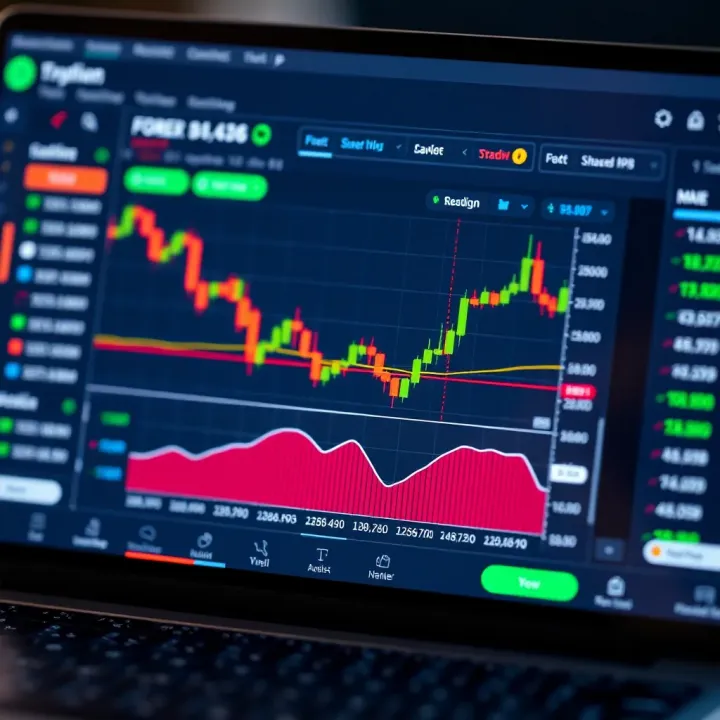
📊 Discover how to use a forex trading app demo for practical hands-on learning 🇿🇦. Master key features, choose right apps, and trade confidently before risking real Rand.
💡 Discover how forex demo contests help South African traders practice strategies risk-free. Learn entry tips, benefits, and pitfalls to pick the right platform.
Discover how The Forex Funder supports South African forex traders with funded accounts 🌍, plus key tips, risks, entry rules, and how to boost success 📈.
Based on 13 reviews