
Forex Trading Tips for the New York Session
Explore the New York forex session 🌆 with top currency pairs 💵, active trading hours, and strategies that help navigate market shifts effectively.
Edited By
Oliver Bennett
The foreign exchange (forex) market is the largest financial market in the world, where currencies are bought and sold around the clock. Among its many offerings, major forex pairs stand out as the most traded and liquid currency pairs. By understanding these pairs, traders and investors gain insight into global economics and market movements.
Major currency pairs consist of the US Dollar (USD) paired with other strong, stable currencies such as the Euro (EUR), British Pound (GBP), Japanese Yen (JPY), Swiss Franc (CHF), Canadian Dollar (CAD), and Australian Dollar (AUD). In the South African context, the ZAR (South African Rand) also plays a key role when paired with the USD, forming the USD/ZAR pair, which attracts significant local trader interest due to its sensitivity to both global trends and domestic developments.

The USD/ZAR pair reflects not only international dollar strength but also South Africa's economic health, political stability, and commodity prices, making it essential for local market participants.
Major pairs are characterised by:
High liquidity and tight spreads, which reduces trading costs
Frequent trading activity leading to reliable price movements
Involvement of at least one of the world’s most dominant currencies, especially the USD
EUR/USD: The most traded pair worldwide, reflecting economic relations between the Eurozone and the US.
USD/JPY: Influenced heavily by Japan’s export-driven economy and US monetary policy.
GBP/USD: Sensitive to UK economic data and Brexit-related developments.
USD/CHF: Viewed as a safe haven during market uncertainty.
USD/CAD: Impacted by oil prices, given Canada's resource-based economy.
AUD/USD: Tied closely to commodity markets and China’s economic performance.
USD/ZAR: Locally significant due to South Africa’s unique socio-economic factors.
Understanding the behaviour of these pairs helps in grasping broader market dynamics and making informed trading decisions. For South African traders and analysts, keeping an eye on the USD/ZAR alongside global majors provides a clearer picture of potential opportunities and risks.
Knowing the influences on these pairs—from central bank policies and geopolitical events to commodity price swings—is essential for navigating the forex market effectively. This foundational understanding sets the stage for exploring trading strategies, risk management, and local market impacts in the sections to follow.
A forex major pair is identified primarily by its heavy trading volume and involvement of the US dollar. These pairs represent the most liquid and frequently traded currency combinations on the forex market, making them vital for traders and investors worldwide. Understanding what sets major pairs apart helps market participants navigate volatility and anticipate price movements more effectively.
Major currency pairs typically enjoy enormous liquidity, meaning there are plenty of buyers and sellers at any time. This leads to tighter bid-ask spreads, reducing trading costs for participants. For instance, the EUR/USD pair is a favourite among South African traders partly because its liquidity allows for swift entry and exit from positions without significant slippage.
Almost all major pairs include the US dollar on one side, such as USD/ZAR or USD/EUR. This reflects the dollar’s central role in global finance, as it's often used as a benchmark currency for trade and investment. Because the US dollar influences these pairs, any changes in the US economy—like interest rate adjustments from the Federal Reserve—can ripple across the entire forex market.
Major pairs often react sharply to global economic events since they link the most prominent economies. For example, a shift in USD/JPY might hint at broader market sentiment around risk and safety, affecting commodity prices and emerging market currencies like the South African rand. Traders watch these pairs closely not just for direct currency gains but for clues on wider financial trends.
Major pairs always contain the US dollar and involve the world’s most traded currencies, like the euro, yen, or pound. Minor pairs exclude the dollar but combine other strong currencies (e.g., EUR/GBP). Exotic pairs involve a major currency paired with an emerging market currency, such as USD/ZAR or EUR/TRY. The classification is crucial because each type brings distinct liquidity levels and risk profiles.
To give perspective, USD/EUR and USD/JPY are major pairs known for tight spreads and steady liquidity. Meanwhile, EUR/NZD (euro/New Zealand dollar) is a minor pair with less volume, resulting in higher spreads. USD/ZAR qualifies as an exotic pair, offering unique opportunities due to South Africa's economic factors but with higher volatility and sometimes wider spreads. Knowing these distinctions helps traders pick pairs that match their strategy and risk tolerance.
Tip: For traders in South Africa, pairing the rand (ZAR) with a major like the US dollar (USD/ZAR) blends global market movements with local economic influences, offering a window into both worlds.
In summary, recognising what defines a forex major pair equips traders with a clearer perspective on market behaviour and supports smarter decision-making based on liquidity, currency involvement, and global impact.
Understanding the common major currency pairs is crucial for any forex trader or investor. These pairs represent the most actively traded currencies globally, often dictating broader market trends. Knowing their characteristics helps you anticipate price movements, manage risks, and spot trading opportunities. Unlike minor or exotic pairs, majors usually offer better liquidity, tighter spreads, and more reliable economic data, making them a preferred choice in volatile markets or during periods of uncertain global events.
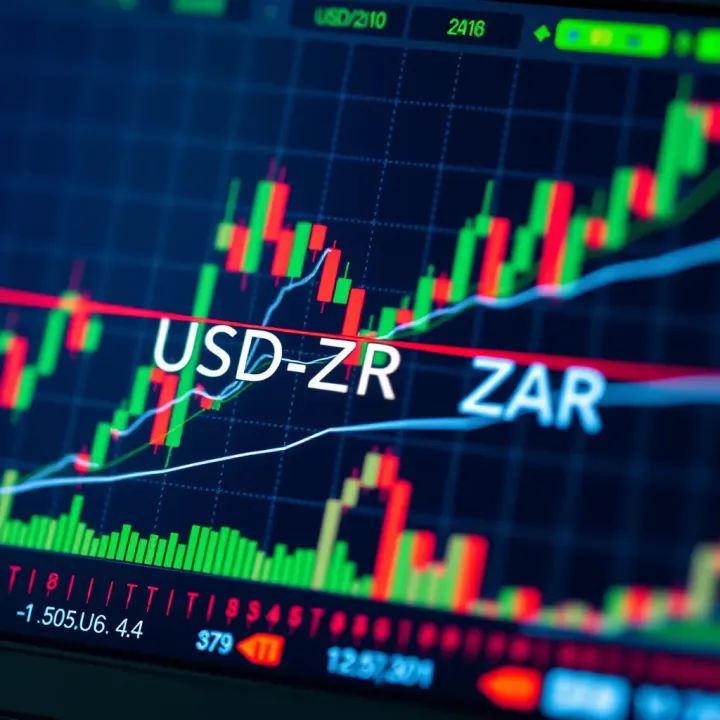
The US dollar (USD) acts as the backbone of the forex market, featuring in most major currency pairs. Its prominence stems from the US economy's size and the dollar's status as the world's primary reserve currency. Here's a quick look at each major USD pair:
USD/EUR (Euro): This is the most traded forex pair worldwide. The USD/EUR pair reflects economic health, especially between the US and the European Union. For example, when the European Central Bank shifts its interest rates or the US Federal Reserve signals changes, traders see notable swings here. The pair is vital for traders tracking trade relations, inflation, and monetary policies affecting two leading economies.
USD/JPY (Japanese Yen): The USD/JPY pair often shows lower volatility but can react sharply during economic announcements from Japan or the US. It’s particularly sensitive to risk sentiment—when global markets turn jittery, the yen often strengthens as a safe haven, pushing the pair lower. For South African traders, USD/JPY movements may signal broader shifts in Asia-Pacific economic trends.
USD/GBP (British Pound): Known for its fluctuations, the USD/GBP pair responds strongly to Brexit developments, Bank of England decisions, and UK growth data. Movements here tend to be more volatile, reflecting political and economic uncertainties. British Pound traders often keep a close eye on this pair to capture swings linked to UK’s unique economic environment.
USD/CHF (Swiss Franc): Often called the "Swissie," this pair acts as a safe haven like the yen. It benefits from Switzerland’s stable political climate and conservative monetary policy. Sudden market stress or geopolitical tensions tend to send the franc upwards, making this pair a bellwether for global stability.
USD/CAD (Canadian Dollar): The Canadian dollar is heavily influenced by commodity prices, particularly oil, as Canada is a major exporter. Traders monitor this pair for correlations with crude oil prices. When oil prices fall sharply, the CAD usually weakens versus the USD, a key nuance for trading this pair.
USD/AUD (Australian Dollar): Similar to the CAD, the Australian dollar is a commodity currency. It reacts to movements in metals like gold and iron ore. Additionally, China’s demand for exports impacts the AUD strongly, reflecting the close ties between Australia and Asian markets.
Volatility patterns differ between pairs; USD/EUR and USD/GBP show higher volatility suitable for traders looking for bigger price swings. Meanwhile, USD/JPY and USD/CHF are steadier but can spike during risk-off events.
Economic influences shape these pairs significantly. For example, interest rate changes by the Federal Reserve or the Bank of England strongly affect USD/EUR and USD/GBP, while commodity price shocks play a big role in USD/CAD and USD/AUD.
Typical trading volumes on these pairs are among the highest in forex markets. High volumes mean narrower spreads and easier trade execution, especially during overlapping market hours like London and New York sessions.
Focusing on these major pairs gives traders a better grasp of market sentiment and economic trends worldwide, reducing exposure to erratic moves often found in less traded pairs.
Understanding these specifics means you're better prepared to read the market shifts and adjust your trading strategies effectively. It’s worth noting this knowledge is especially useful in South Africa, where the rand's connection to these majors, particularly via USD, influences forex trading dynamics locally.
Understanding what moves major forex pairs matters a lot for traders and investors. These pairs, involving currencies like the US dollar, euro, and yen, respond sharply to economic shifts and geopolitical developments worldwide. Knowing the ins and outs of these factors helps you anticipate market moves, manage risks better, and plan strategies with more confidence.
Central banks set interest rates to steer their economies, which in turn affects currency values. For instance, if the US Federal Reserve raises rates, the dollar often gains strength because higher returns attract foreign capital. Conversely, a rate cut can weaken the currency as investors seek better yields elsewhere. Traders watch these moves closely — a sudden hike or cut can spark significant volatility in pairs like USD/ZAR or USD/EUR.
Monetary policy statements also reveal the bank’s view on inflation, growth, and employment, hinting at future direction. For example, when the South African Reserve Bank signals caution on hikes due to slow growth, the rand may lose ground against majors. Staying tuned to these policies is vital for timely trading decisions.
Job numbers provide a snapshot of economic health. Strong employment growth usually supports a currency because it suggests a robust economy, likely triggering tighter monetary policy. Take South Africa’s Quarterly Labour Force Survey; better employment stats can boost the rand, improving USD/ZAR’s outlook.
On the flip side, a rise in unemployment often sparks fears of slower growth and loose monetary policy, which can weaken a currency. For global pairs, the US monthly Non-Farm Payroll figures are market movers — unexpected beats or misses often cause abrupt price swings.
GDP measures economic output and growth speed. A rising GDP reflects healthy economic activity, typically strengthening a currency. Say, if South Africa reports better-than-expected GDP growth, the rand usually benefits as foreign investors get a more positive view.
Slower growth or contraction signals trouble ahead and can erode confidence in the currency. Traders use GDP data to validate central bank policies or economic trends, making it a cornerstone for fundamental analysis in forex.
Stable governance supports a currency; uncertainty or turmoil often drives capital away. For example, during South Africa’s more turbulent political phases, the rand experiences pressure versus majors. Traders keep an eye on election outcomes, government reshuffles, or policy changes because these events can trigger sharp swings.
Deals affecting cross-border business influence currencies linked to those economies. If the US and China resolve tariff disputes, it tends to lift appetite for risk currencies and major pairs involving these nations. Conversely, rising trade tensions often spark risk-off moves, benefiting safe-haven currencies like the Swiss franc or Japanese yen.
South African businesses tied to exports watch global trade policies keenly — shifts there can affect the demand for the rand in forex markets.
Events like pandemics, wars, or financial crises unsettle markets. Such shocks often increase volatility in major forex pairs as investors scramble for safety or react to economic disruption. For instance, Eskom’s loadshedding-induced industrial setbacks may not directly move majors but do influence the rand’s standing.
The 2020 COVID-19 outbreak saw sharp swings in USD/ZAR and other pairs as investors reassessed risk and liquidity. Understanding how these events ripple through forex markets helps traders avoid nasty surprises and seek opportunities.
Keeping track of economic data and global events sharpens your grasp of major forex pair movements. Stay informed and ready to adapt, especially when trading volatile pairs involving emerging market currencies like the rand.
Trading in major currency pairs calls for strategies tailored to their unique behaviour and market drivers. Given their high liquidity and the US dollar’s dominance, these pairs tend to be more volatile around key economic events, creating specific trading opportunities and risks. Understanding how to apply different analytical methods helps traders make informed decisions, manage risk, and optimise potential returns.
Chart patterns help traders identify recurring formations on price charts that signal potential future moves. For example, a ‘head and shoulders’ pattern often predicts a trend reversal, which could indicate an opportune time to exit a long position in USD/ZAR before a drop. In contrast, a ‘triangle’ pattern might suggest consolidation before a breakout. South African traders can apply these patterns during local trading hours to time entries and exits more precisely.
Trend following focuses on identifying and riding established price movements. Since major forex pairs often exhibit prolonged trends driven by big economic shifts—like the USD strengthening amid rising US interest rates—trend followers aim to stay invested as long as the momentum lasts. Tools like moving averages or the Average Directional Index (ADX) can confirm trend strength, helping you avoid jumping in too early or leaving too late.
Support and resistance levels mark price points where buying or selling pressures have historically reversed a pair’s direction. For example, if the EUR/USD repeatedly struggles to rise above a certain level, that ceiling acts as resistance. Recognising these levels helps manage risk; traders might set stops just below support levels or limits near resistance, protecting capital while giving trades room to develop.
Evaluating economic news is a cornerstone of fundamental analysis. Releases such as South Africa’s GDP figures or US non-farm payrolls often cause significant volatility in pairs like USD/ZAR. Knowing when these data drop allows traders to anticipate price swings or avoid choppy conditions. Monitoring sources like the South African Reserve Bank’s reports alongside international headlines keeps you well prepared.
Central bank communications provide direct insight into monetary policy outlooks that influence currency strength. Statements from the US Federal Reserve or the South African Reserve Bank often impact major pairs dramatically. For instance, hawkish comments hinting at rising interest rates usually bolster that currency, while dovish tones can weigh it down. Traders tune into scheduled speeches and meeting minutes to catch these cues early.
Currency correlations reveal how major pairs move in relation to one another. For example, USD/ZAR and USD/ZAR often show an inverse correlation during times of global risk aversion when investors flee emerging markets. Understanding these relationships can guide hedging strategies or help spot stronger trading setups by combining signals across related pairs.
Successful forex trading blends both technical and fundamental approaches, allowing you to manage risk smartly and spot opportunities in the major pairs that affect global and South African markets alike.
Trading major forex pairs brings opportunities but also comes with risks traders should understand clearly. Managing these risks helps protect capital and improve decision-making amid a constantly changing market. Here, we focus on market volatility triggers and factors unique to South African traders.
Unexpected economic announcements can send major currency pairs swinging sharply within minutes. For example, if the US Federal Reserve suddenly signals a surprise interest rate hike, pairs like USD/ZAR or EUR/USD often see rapid price jumps. Traders caught off-guard can face sharp losses despite strong strategies under normal conditions. Staying alert to economic calendars and major central bank statements helps anticipate these swings and adjust exposure accordingly.
Equally disruptive are sudden geopolitical changes. Political unrest, trade disputes, or unexpected policy shifts can spook markets. Consider the volatile periods when US-China trade talks took unexpected turns; currency pairs involving the USD displayed heavy volatility. Similarly, South Africa’s political uncertainties or changes in trade policy can affect the rand’s relationship with major pairs. Traders should factor in geopolitical risks alongside economic data to avoid being blindsided by rapid market moves.
The Rand’s strength and impact on forex trading is a vital consideration. When the rand weakens against the US dollar, it affects the value of USD/ZAR trades and can influence broader market sentiment locally. For instance, during periods of heavy loadshedding or when commodity prices fall, the rand tends to weaken, causing ripple effects in forex trades involving South African participants. Understanding these local dynamics can guide traders on when to hedge or scale positions.
Access to global forex platforms varies for South African traders. While many international brokers welcome South Africans, some may have limited services or impose restrictions due to regulatory requirements. This affects liquidity and execution quality. Platforms registered with the Financial Sector Conduct Authority (FSCA) typically offer more security and compliance but might have different fee structures or trading conditions. Checking platform credibility and local support is crucial before committing substantial funds.
Finally, local regulations and compliance must not be overlooked. South African forex trading falls under FSCA oversight, and traders must adhere to the Financial Intelligence Centre Act (FICA) and Protection of Personal Information Act (POPIA). Brokers require proper identification and comply with anti-money laundering rules. Ignoring these can lead to account freezes or legal issues. Keeping records and choosing regulated brokers ensures smoother trading operations and protects traders in case of disputes.
Managing market risks and understanding South African trading conditions equips you to navigate forex markets smarter, avoiding costly surprises and improving long-term outcomes.
In summary, watch for economic news and geopolitical shifts that fuel volatility. Factor in rand movements and the quality of your broker’s platform. Above all, meet regulatory standards to trade confidently and safely.
Explore the New York forex session 🌆 with top currency pairs 💵, active trading hours, and strategies that help navigate market shifts effectively.

Explore Forex Fury 🤖, an automated forex trading tool helping South African traders understand currency markets, features, risks, and if it fits local trading needs.

Explore how the $200 no deposit forex bonus works, pros & cons, eligibility tips, & finding trusted brokers to boost your trading confidence! 💹💰
🌍 Learn how to start forex trading with clear steps and key concepts explained. Manage risks and build confidence in your first trades in the forex market. 📈
Based on 9 reviews