
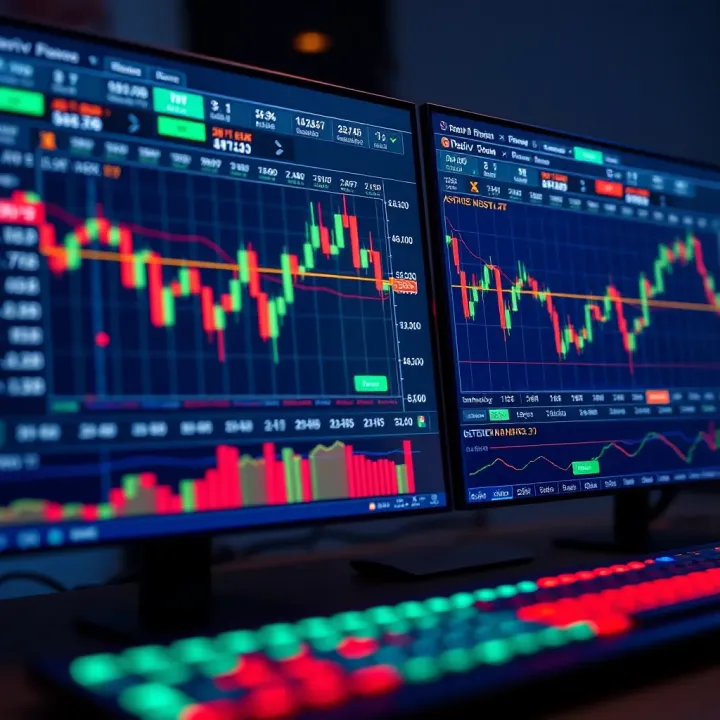
Understanding Deriv Forex Broker for South African Traders
Explore Deriv forex broker from a South African angle 🇿🇦: account types, fees, tools, plus safe deposit and withdrawal tips for smart trading.
Edited By
Oliver Hughes
Forex trading, or foreign exchange trading, is the process of buying and selling currencies to profit from changes in exchange rates. South African traders often find forex appealing because the market operates 24 hours a day, five days a week, offering flexibility to fit around daily schedules.
To get started, it's vital to understand that forex trading involves pairs, such as the US dollar against the South African rand (USD/ZAR). When you buy a pair, you're buying the base currency and selling the quote currency. For instance, buying the USD/ZAR means you expect the rand to weaken against the dollar.

A practical first step is choosing a regulated broker. South Africans should look for brokers authorised by the Financial Sector Conduct Authority (FSCA). This regulation ensures your money is protected and the trading platform follows local laws. Examples include reputable brokers like IG Markets and Plus500, which offer local customer support and rand-denominated accounts.
Opening an account requires submitting identification documents under the Financial Intelligence Centre Act (FICA) and adhering to the Protection of Personal Information Act (POPIA). These checks keep the system secure, but the process usually takes only a few business days.
Once your account is live, practical trading begins. Starting with a demo account can help you familiarise yourself with the platform and test strategies without risking real money. Common strategies include trend following and range trading, where you spot market directions or trading ranges to decide when to enter or exit.
Risk management cannot be overstated. Never risk more than 1-2% of your trading capital on a single trade. Tools like stop-loss orders help limit losses if the market moves against your position.
Good traders know the market never guarantees profits. Discipline and continual learning often separate consistent winners from those who lose out.
Keep in mind, forex trading is influenced by global events, economic data from South Africa and abroad, and factors like Eskom’s power supply challenges which can affect rand volatility. Staying informed about these events via sources like Moneyweb or Bloomberg will help you make better trading decisions.
In summary, start small, pick a regulated broker, learn the ropes with demo trading, apply clear strategies, and always manage your risk. This practical approach can make forex trading in South Africa a more manageable and potentially rewarding endeavour.
Getting a solid grasp on forex trading basics is essential for any South African looking to enter the currency market. Understanding how currencies pair up, how global forex markets operate, and key trading terms lays the foundation for confident trading decisions. Without this knowledge, even the best strategies might fall flat.
Currency pairs and exchange rates are the core of forex trading. You never trade a single currency alone but always against another, like the US Dollar against the South African Rand (USD/ZAR). The exchange rate tells you how much of one currency you need to buy a unit of another. For example, if USD/ZAR is at 18.50, it means one US Dollar costs R18.50. This pair will move up or down depending on economic events, interest rates, or political factors impacting either country.
The ability to trade these pairs 24/7 offers flexibility but requires understanding how forex markets operate globally. Unlike shares or bonds, forex has no central exchange. Instead, it's a network of banks, brokers, and traders worldwide dealing with currencies around the clock. For South African traders, this means you can tap into market movements triggered by events in Asia, Europe, or America at different times of the day. Knowing when markets open and close helps you catch peak trading times suited to your strategy.
In fact, trading sessions and volatility are closely linked. The forex day is divided into sessions: Asian, European, and US. Volume and price movements tend to increase during overlapping sessions, like when London and New York are both active. Volatility means opportunity but also risk. For instance, the South African Rand may jump sharply during US Federal Reserve interest rate announcements affecting emerging markets. Recognising these patterns helps in timing your trades better.
Understanding pips, lots, leverage, and margin is non-negotiable. A pip is the smallest price move a currency pair can make — usually the fourth decimal point (0.0001) in most pairs, but the second for JPY pairs. A lot represents the number of currency units you buy or sell; a standard lot equals 100,000 units. Leverage lets you control a large position with a smaller deposit, magnifying both gains and losses. For example, a 1:100 leverage means you can trade R100,000 with only R1,000 margin in your account. Always use leverage carefully, as it can quickly lead to substantial losses.
Next, bid and ask prices matter when entering or exiting trades. The bid is the price buyers pay, and the ask (or offer) is what sellers want. The difference between them (the spread) is a cost to you. For example, if the USD/ZAR bid is 18.4900 and the ask is 18.5000, the spread is 0.0010 or 10 pips. Choosing a broker with tight spreads can save money, especially if you trade frequently.
Speaking of which, the spread and rollover also affect your bottom line. Spread is basically the broker's fee hidden in the price you pay. Rollovers happen when you hold a position overnight, reflecting interest rate differences between the two currencies. Sometimes you earn a bit, other times you pay — this depends on rates set by central banks like the South African Reserve Bank (SARB). South African traders should track both to factor these costs into their strategy.
Mastering these basics equips you to trade forex with more confidence and less guesswork. Knowing how currency pairs work, when markets move, and common trading terms keeps you from stumbling into avoidable mistakes.
Starting with a forex trading account is your first step towards entering the currency market. It's more than just paperwork – it connects you to the global forex platforms where your trades happen. Setting up an account isn't complicated but making the right choices early on can save you headaches later.
Opting for a broker regulated by the Financial Sector Conduct Authority (FSCA) ensures a layer of protection for your funds. The FSCA oversees financial service providers to maintain fair practices and transparency. For a South African trader, a regulated broker means your money is treated with care, and the broker complies with local laws designed to keep you safe from scams.
This regulation isn't just red tape; it enforces minimum standards around client fund segregation and fair dealing. For example, if you choose an unregulated broker promising unrealistic returns, you risk losing your investment without any clear recourse.
Next, look beyond regulation and check the broker's reputation. User reviews on forums or financial news sites often unveil how brokers handle withdrawals, customer service, and trading platform reliability. South African traders have shared experiences with brokers like IG Markets or Plus500, praising smooth withdrawals and stable platforms. Conversely, brokers with numerous complaints about delays or difficult support should raise red flags.
A good reputation indicates trustworthy practices and a user-friendly experience. Don't skip this step – it's like checking the braai site before lighting the fire.
Fees can quietly eat into your profits, so understand what costs the broker charges. Common fees include spreads (the difference between buying and selling prices), commissions, and swap or rollover fees for positions held overnight. Some brokers offer tight spreads but might charge higher commissions, while others bundle costs into wider spreads.
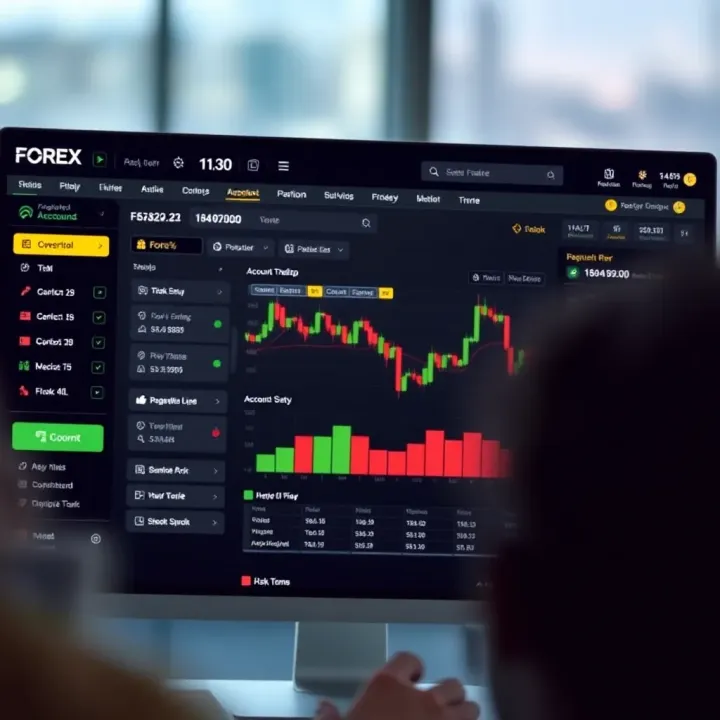
Ensure the platform suits your style too. Popular choices include MetaTrader 4 and 5, known for charting tools and indicators, and some brokers have proprietary apps tailored for mobile trading. A platform that crashes or delays order execution can cost you dearly in volatile markets.
South African brokers must comply with the Regulation of Interception of Communications and Provision of Communication-Related Information Act (RICA) and the Financial Intelligence Centre Act (FICA). These require traders to submit valid identification (ID book or smart ID card), proof of residence such as a recent municipal bill, and sometimes a selfie for biometric verification.
These steps help prevent fraud, money laundering, and ensure that only legitimate traders access the system. While it may seem tedious, this process aligns your trading activities with South African legal standards.
Depositing in Rand offers convenience and avoids conversion charges. Reputable brokers allow you to fund your trading account directly in ZAR, which simplifies calculating your position sizes and profits. For example, funding your account with R10,000 is straightforward without worrying about fluctuating exchange rates impacting your capital.
Watch for broker limits on minimum deposits; some start as low as R500, which is suitable for beginners testing the waters without a heavy commitment.
Brokers usually offer multiple payment options including EFT (electronic funds transfer), credit/debit cards, and e-wallets like Skrill or Neteller. EFT is popular and reliable but can take a few days to clear, whereas cards offer instant funding but may come with higher fees.
Some brokers support payment via South African digital services like SnapScan, but these are less common in forex. Choose a method that’s not only convenient but also secure, and always confirm any fees upfront to avoid surprises.
Opening your forex trading account with the right broker and smooth verification steps sets a strong foundation for your trading journey, especially with the added local compliance and payment convenience in South Africa.
Forex trading requires more than just luck; it demands strategies that guide decisions and manage risks. Essential trading strategies act as the backbone for any serious trader, helping navigate the fast-moving currency markets with greater confidence and consistency. Understanding how to apply these strategies wisely can protect your capital and improve your chances of steady profits.
Using charts and identifying trends lies at the heart of technical analysis. Traders look at price charts over different time frames—from minutes to weeks—to spot patterns and price movements. For instance, spotting an upward trend in the USD/ZAR pair over a few days might signal a buying opportunity. Identifying whether the price moves in a consistent direction, sideways, or reversing helps decide when to enter or exit trades.
Popular indicators and tools like moving averages, Relative Strength Index (RSI), and Fibonacci retracements assist traders in making sense of market data. Moving averages smooth out price fluctuations and reveal trend directions, while RSI gauges whether a currency is overbought or oversold, hinting at potential reversals. Fibonacci levels help identify where price might bounce or stall based on past swings—very useful when planning entry and exit points.
Support and resistance levels are price points where the market tends to hesitate or reverse. Support acts like a floor where buying interest appears, while resistance is like a ceiling sellers push against. In the EUR/USD chart, for example, repeated price bounces off the 1.0800 level indicate strong support. Recognising these levels can help you place stop-loss orders and set realistic profit targets.
Economic indicators and news impact can trigger significant price swings. Reports such as South Africa’s consumer price index or unemployment data influence the rand’s strength. Traders watch these releases closely because unexpected results often cause rapid market moves. Knowing the calendar and expected figures lets you plan trades around potential volatility.
South African Reserve Bank (SARB) policies greatly affect the rand’s value and forex trading decisions. Interest rate changes or policy statements signal monetary tightening or easing. For instance, a surprise SARB rate hike may strengthen the rand, making USD/ZAR fall. Staying updated with SARB’s moves is vital for trading rand pairs.
Global events affecting currency pairs include geopolitical tensions, commodity price shifts, and economic crises. Because South Africa is a commodities exporter, fluctuations in gold or platinum prices often impact the rand. Similarly, US Federal Reserve decisions ripple through global currencies. Traders need to keep an eye on such events to anticipate market trends.
Using both technical and fundamental insights can improve trade timing and accuracy. Technical analysis shows when price reaches key levels while fundamentals explain why price moves occur. For example, you might spot a support level on USD/ZAR charts but hold off buying until SARB announces a rate pause.
Creating a trading plan is critical to avoid impulsive decisions. A solid plan outlines which currency pairs to trade, entry and exit points, risk limits, and reaction strategies for unexpected events. This discipline keeps emotion out of trading and preserves your bankroll through ups and downs.
Adapting to market conditions means recognising when strategies need tweaking. A trend-following approach can work well in calm markets but may fail during high volatility or sideways movement. Knowing how to switch tactics or reduce position size during uncertain times helps you stay in the game longer.
Successful forex trading reflects consistent application of suitable strategies combined with ongoing learning and awareness of market changes. Technical and fundamental tools together provide a fuller picture, enabling South African traders to make smarter, more confident choices.
Managing risk is the backbone of successful forex trading, especially for South African traders dealing with volatile markets and the unique challenges posed by factors like loadshedding and fluctuating Rand value. Without solid risk control, even the most promising strategies can lead to steep losses. It’s about protecting your capital and staying in the game long enough to learn and profit.
Setting stop-loss and take-profit points helps limit your losses and lock in profits automatically. A stop-loss order closes your trade when the currency price hits a level that caps your potential loss. For example, if you buy USD/ZAR at R18, you could set a stop-loss at R17.80 to avoid bigger dips hurting your account. Similarly, a take-profit order lets you exit once your trade reaches a desired gain, securing profits before the market reverses. This discipline both keeps emotions in check and preserves funds during unexpected swings.
Trading with appropriate position sizes means you don’t risk more than a small portion of your trading capital on any one deal. Many experienced traders advise risking no more than 1–2% of your total account on a single trade. For instance, with a R50,000 account, risking R500 to R1,000 per deal helps absorb losses without wiping you out. Adjusting position sizes based on volatility also helps prevent devastating hits, especially when dealing with less liquid currency pairs or during news releases.
The risks of high leverage come into sharper focus when trading forex. Leverage lets you control a large position with a smaller deposit, magnifying both profits and losses. For South African traders, brokers commonly offer leverage ratios up to 1:200, but using maximum leverage can expose you to quick, substantial losses. Say you use 100:1 leverage and the market moves against your position by one percent — you’ll lose your entire margin. Conservative leverage use and understanding margin calls can help keep trading sustainable.
Overtrading and emotional decisions often undermine novice traders. The temptation to jump into many trades or increase stakes after losses leads to reckless behaviour. For example, chasing losses by doubling down in hope of a quick recovery often backfires. Maintaining a clear trading plan with defined entry and exit points helps curb impulsive actions fuelled by FOMO (fear of missing out) or frustration.
Ignoring market news is another pitfall. Economic data releases, South African Reserve Bank announcements, or global geopolitical events can cause rapid price swings. Overlooking these can surprise you with sudden losses or missed opportunities. Staying informed daily through local financial news, economic calendars, and webinars can improve timing and decision-making.
Neglecting to review trades slows learning and perpetuates errors. Keeping a trading journal with key details about each trade, including reasons for entry and exit, outcomes, and emotional state, allows you to identify patterns and weaknesses. For example, noting a tendency to exit profitable trades too early or hold losing trades too long can lead to better choices. Regular reviews encourage growth and improve your edge.
Good risk management isn’t about avoiding losses completely — it’s about managing your money wisely so losses don’t cripple you and gains have room to grow.
By understanding and applying these risk principles, South African forex traders can navigate the currency markets with more confidence and resilience.
Navigating the forex market demands more than just understanding terms and strategies; it also requires the right tools and a practical approach tailored to your local environment. For South African traders, this means picking trading platforms that suit your needs, staying informed with local financial news and courses, and understanding the tax and regulatory framework that applies to forex activities here.
Many South African traders favour platforms like MetaTrader 4 (MT4) and MetaTrader 5 (MT5) for their flexibility and wide community support. Brokers like IG, HotForex, and Plus500 offer these platforms with full FSCA regulatory compliance. Using these platforms provides access to detailed charts and order execution tools, crucial for swift trading decisions. It's practical to select a broker who offers platforms optimised for the South African Rand (ZAR) account funding and withdrawals to avoid forex conversion fees.
Mobile trading apps have grown essential, especially when traders want to monitor the market on the go. Most brokers now have mobile versions of their trading platforms compatible with iOS and Android. The apps allow you to place trades, set stop losses, and view live prices, which suits active traders or those balancing trading with other commitments. However, it’s wise to test your internet stability and ensure your mobile data is sufficient to prevent trade execution delays, especially with MTN or Vodacom networks.
Before risking real money, practising with a demo account is invaluable. Demo accounts simulate live market conditions without financial risk, allowing beginners to familiarise themselves with the platform, try out strategies, and understand market behaviour. South African traders can use these free accounts provided by most FSCA-regulated brokers like XM or FBS, providing an opportunity to build confidence before stepping into live trading.
South Africa hosts several forex education programmes and webinars tailored to local market conditions. Institutions like the JSE and various independent traders offer training on fundamentals and advanced tactics. Participating in these sessions helps traders understand SA-specific market nuances, such as impacts from SARB interest rate decisions or currency volatility during political events.
Consistent monitoring of South African financial news outlets, like BusinessTech, Moneyweb, or Fin24, alerts traders to developments influencing the Rand's value or the broader market. News on Eskom’s loadshedding, government policy announcements, or international trade relations have immediate effects on forex pairs involving the ZAR. Staying updated enables timely decisions.
Economic calendars track key events such as SARB rate announcements, inflation figures, and global trade data releases. These calendars help traders anticipate and prepare for market volatility. Using this tool, you can align your trading strategy with scheduled news, avoiding surprises during crucial economic releases.
Trading profits from forex are taxable and considered income by SARS, whether you trade full-time or part-time. It’s advisable to consult a tax professional to understand how to declare these earnings properly, especially if trading around Forex as a business or hobby. Losses may be deductible against gains, but you’ll need clear documentation.
Maintaining detailed records of all transactions, deposits, withdrawals, and trading activities is essential for SARS audits. Many traders keep monthly statements and trade logs, which simplify tax filing and provide evidence of gains or losses. Using software or spreadsheets for this purpose can avoid last-minute stress during tax season.
The Financial Sector Conduct Authority (FSCA) oversees forex brokers operating in South Africa to protect traders from scams and unfair practices. Ensuring you trade through an FSCA-licensed broker gives recourse in disputes and reassurance about platform security. Always verify your broker’s licence status on the FSCA website before opening an account.
Smart use of practical tools and keeping abreast of local regulations sharply increases your chances of success and safety in forex trading. Always remember: informed and prepared beats hopeful and reactive every time.
By focusing on these practical aspects, South African forex traders can sharpen their approach and trade with confidence, armed with the right tools and knowledge for local market conditions.
Explore Deriv forex broker from a South African angle 🇿🇦: account types, fees, tools, plus safe deposit and withdrawal tips for smart trading.
💡 Discover how forex demo contests help South African traders practice strategies risk-free. Learn entry tips, benefits, and pitfalls to pick the right platform.
🤖 Discover how forex trading bots help South African traders automate forex deals while weighing benefits, risks, legal points and practical tips for smart use.

Explore how the Insta Forex welcome bonus works, eligibility tips, application process, plus the perks and risks South African traders should consider before using it 📊💡
Based on 9 reviews