
RCG Minimum Deposit Guide for South African Traders
🔍 Explore RCG's minimum deposits for South African traders. Learn account types, payment methods, how they stack up against rivals, and smart investment tips.
Edited By
Emily Foster
RCG Markets is a global online trading platform that offers various account types catering to traders with diverse needs. While deciding to start trading, one of the key factors to consider is the minimum deposit requirement set by the broker. This sets the baseline on how much you need to fund your account before beginning to trade.
For South African traders, understanding these deposit thresholds is vital. Even small differences can affect your initial capital allocation and trading strategy. Unlike some platforms demanding hefty upfront sums, RCG Markets tries to keep its minimum deposit accessible, but this varies depending on the chosen account.
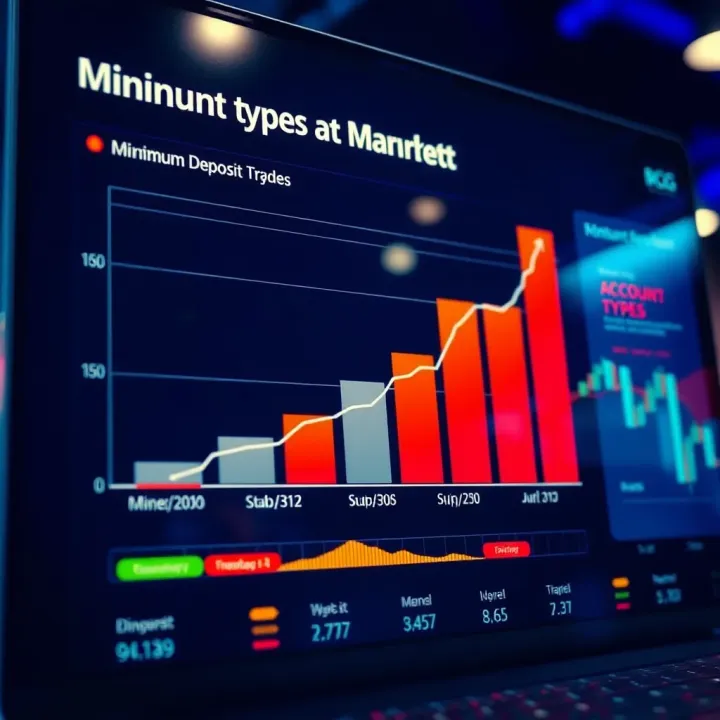
RCG Markets typically offers several accounts, such as Micro, Standard, and VIP accounts:
Micro Account: Designed for beginners or traders with limited funds, the minimum deposit here can be as low as R500. This makes it ideal for those testing the waters with lower risk.
Standard Account: Suited for regular traders who want a more substantial balance, deposits usually start from R5,000.
VIP/Premium Account: Aimed at experienced traders or those seeking better trading conditions, the deposit threshold can reach R50,000 or more.
These limits influence not just access but also trading conditions such as spreads, leverage, and customer support.
RCG Markets supports a range of deposit options commonly used in South Africa, including:
Bank transfers
Credit/debit cards
Popular e-wallets like Neteller and Skrill
Each method may have its own minimums and processing times, which can affect how quickly you can start trading after depositing.
Tip: Stick with payment methods that don't charge extra fees or cause delays. For instance, many South African traders find bank transfers straightforward, albeit slower than card payments.
Understanding how your chosen deposit method interacts with minimum amounts helps manage expectations.
Apart from the obvious requirement to fund your account, minimum deposits serve as a hedge for brokers to ensure clients have enough capital to handle market swings. For traders, knowing this amount aids in proper financial planning and avoiding premature account closures due to insufficient funds.
The minimum also plays a role in governing the margin required for trades, so it affects how much you can actually trade at any moment.
In short, the minimum deposit at RCG Markets is not just a number to meet, but a factor influencing your overall trading experience and potential profitability.
Understanding these basic elements sets the foundation to explore deposit processes, security, and practical trading tips specific to South African users, which will follow in this article.
Understanding RCG Markets' position as a brokerage is essential for traders aiming to navigate the platform effectively and manage their capital wisely. This overview sheds light on the company's roots, scope, and account options, which all influence minimum deposit requirements and trading conditions. For South African traders, this context helps in choosing a suitable account aligned with their budget and goals.
RCG Markets has built a reputation as a global online brokerage that serves a wide range of clients across multiple continents. Founded several years ago, the company offers access to diverse asset classes such as forex, commodities, indices, and cryptocurrencies. Its regulatory compliance in several jurisdictions adds an extra layer of trust — vital for traders wary of offshore platforms that lack transparency. For example, South African traders can feel more confident knowing the broker has measures in place that meet international standards, even if it's not locally regulated by the FSCA.
With offices and partnerships spanning Europe and Asia, RCG Markets provides a platform tailored to both beginners and seasoned investors. This global footprint ensures liquidity, competitive spreads, and support services that suit different time zones and languages.
RCG Markets offers three primary account types: Standard, Pro, and VIP, each catering to different levels of experience and trading capital.
Standard Account: Suited for new traders or those starting small, it requires a lower minimum deposit and offers access to fundamental trading tools. Spreads and leverage are fairly standard, making it a solid choice to test the waters without risking too much.
Pro Account: This is designed for more active traders who need tighter spreads, higher leverage, and more advanced analytical tools. The deposit requirement here is higher to match the increased access and potential trading volume.
VIP Account: Catering to high-net-worth traders or institutional clients, the VIP account features exclusive perks such as personalised support, priority withdrawals, and customised trading conditions. This account demands a significantly higher minimum deposit, reflecting its premium level.
The choice of an account directly affects how much a client needs to deposit upfront. The Standard account typically requires the smallest deposit, making it accessible for South African traders just getting started or those wanting to trade cautiously. It might, for instance, have a minimum deposit starting at around R5,000.
For the Pro account, minimum deposits often increase to around R15,000 or more, as traders benefit from tighter spreads and better leverage but must commit more capital. For someone looking to grow a more serious portfolio, this makes financial sense.
The VIP account usually demands minimum deposits upwards of R50,000, signalling a serious trading commitment and access to tailored services that justify the higher entry point. This structure helps RCG Markets segment traders properly, ensuring that trading conditions are matched to the levels of capital involved, minimising mismatched expectations and risk.

Choosing the right account type not only affects your upfront deposit but also your access to trading features and potential profitability.
In the South African context, considering local income levels and currency strength against major foreign currencies, these deposit thresholds help traders plan their funding strategies realistically. They also highlight why understanding RCG Market’s account offerings is a key step before committing any funds.
In trading, the minimum deposit is the smallest amount of money a broker requires you to put into your account before you can start trading. At RCG Markets, understanding this requirement is vital for managing your trading budget and expectations. It works as a threshold, giving traders an idea of how much capital is necessary to unlock different account features and trading tools.
This minimum sum often reflects the broker's strategy to balance accessibility with the need to maintain account viability. For example, if you're looking to begin with a small-scale investment, knowing whether a R1,000 or R10,000 minimum is demanded can help you avoid disappointment and plan your finances accordingly. Minimum deposits thus serve as a gatekeeper and guide in your trading journey.
RCG Markets offers a selection of trading accounts tailored to different experience levels and investment capacities. The minimum deposit varies accordingly. A Standard account might require as little as $250 (roughly R4,500), opening doors to beginners or casual traders. Meanwhile, Pro and VIP accounts, geared towards active or professional traders, demand higher minimum deposits — typically $10,000 (around R180,000) or more.
This tiered structure ensures that traders commit capital appropriate for the level of service and trading features they receive. For example, a VIP account unlocks exclusive benefits but requires that upfront commitment. Understanding these minimum sums prevents you from investing more than you intend or struggling to access desired account types.
Another factor is the currencies RCG Markets accepts for deposits. They support multiple options besides the US dollar, including the South African Rand (ZAR) and major currencies like the Euro and British Pound. This flexibility helps South African traders avoid frequent forex conversion fees that can cut into trading capital.
Depositing in ZAR can be especially beneficial amid rand fluctuations against the dollar. By funding your account directly in rands, you can better gauge your investment in local terms without getting caught off guard by exchange rate swings. That said, always check how your chosen deposit currency affects trading conditions and conversions at RCG Markets.
Minimum deposits also tie into the leverage and margin available to you. Leverage lets you control larger positions than your actual deposit, but it also increases risk. Brokers like RCG Markets typically link account type (and thus minimum deposit) to leverage caps.
For instance, a Standard account with a minimal deposit might offer leverage of up to 1:100, meaning you can trade positions 100 times your deposit. Higher-tier accounts, backed by bigger deposits, often access more leverage or better margin terms. This means your starting deposit can limit or enhance your ability to open larger trades, impacting strategy and risk management.
The minimum deposit can affect which trading products and tools you can use. Larger deposits often unlock advanced platforms, analytics, and exclusive markets such as commodities, indices, or cryptocurrencies.
At RCG Markets, traders with the minimum deposit for a Pro or VIP account gain access to enhanced charting tools, research reports, and priority customer support. Meanwhile, Standard account holders might find some of these features restricted or unavailable. Such limitations are a practical way brokers encourage committed investing and reward larger deposits with better service.
In summary, understanding minimum deposit requirements at RCG Markets is more than ticking a box — it determines your trading possibilities and financial planning right from the start.
By keeping these points in mind, you’ll be able to choose an account type that fits your budget and trading goals, making your experience smoother and more rewarding.
Funding your RCG Markets account from South Africa requires a solid understanding of available payment options and their practical implications. South African traders face unique challenges, including local banking regulations, fluctuating exchange rates, and potential fees, so it’s vital to pick payment methods that are efficient, affordable, and secure.
Bank transfers remain one of the safest and most straightforward ways for South African traders to fund their RCG Markets account. Using Electronic Funds Transfer (EFT), you can move funds directly from your South African bank account to RCG Markets’ trading account. This method tends to be favoured because it bypasses credit card processing fees and offers traceability if there is any need to track a payment.
Practically, if you’re banking with one of the big South African banks like FNB, Standard Bank, or Absa, EFT payments to RCG Markets are usually completed within one to two business days. It’s worth noting that some banks might impose small fees for international transactions, so checking with your bank beforehand can save surprises. Also, confirming whether your bank applies any limits for international EFT payments is a good idea to ensure your chosen deposit amount goes through smoothly.
Credit and debit cards provide a quicker alternative, often processing deposits instantly or within a few hours. South African traders commonly use cards from Visa and Mastercard, which RCG Markets accepts. This method suits those who prefer immediate access to their trading accounts or want to benefit from reward points offered by card providers.
E-wallets, such as Neteller or Skrill, are also accepted by RCG Markets and are increasingly popular among South African traders. These platforms add an extra layer of convenience and security because they act as an intermediary between your bank and the broker. Deposits via e-wallets tend to process quickly, often instantly, making it easier to jump into trading without delay. However, be mindful of any service fees the e-wallet providers might charge, and check their South African Rand currency support to avoid extra conversion costs.
Processing times vary depending on your chosen payment method. EFT usually takes one to two business days, while card payments and e-wallet deposits tend to be instant or take just a few hours. For South African traders, these timeframes are generally reasonable but should be considered if there are market opportunities that require quick capital injection.
Regarding fees, RCG Markets typically does not charge deposit fees, but South African banks or payment services might. International currency conversions, especially from ZAR to USD or EUR—common base currencies for trading accounts—can add to the cost. To keep fees down, consider funding your account in a currency that avoids multiple conversions or use local payment methods when available.
When funding your RCG Markets account from South Africa, always confirm deposit processing times and fees beforehand to avoid delays or unexpected costs. This due diligence gives you smoother access to the markets and better control over your trading capital.
In summary, bank transfers offer reliability for South African clients, while credit/debit cards and e-wallets provide speed and flexibility. Balancing cost, speed, and security will help you choose the best payment method for your trading needs at RCG Markets.
Security and compliance are non-negotiable when dealing with your funds at any trading platform, especially at RCG Markets. These features don’t just protect your money; they build trust and ensure that the brokerage operates legally under international standards. When you transfer your minimum deposit, you want confidence that your details remain private and your money won’t end up in the wrong hands. With South African traders increasingly aware of scams and cyber threats, understanding the safeguards RCG Markets employs is essential.
KYC processes verify the identity of each trader before any deposit or withdrawal. For instance, RCG Markets asks for official documents like a South African ID or a passport, proof of address such as a recent utility bill, and sometimes proof of income. This ensures the person behind the account is genuine, minimising risks of fraud or identity theft. By undergoing KYC, you’re not just ticking a box; you’re helping establish a safer trading environment for everyone involved.
These rules prevent funds acquired illegally from entering the trading system. RCG Markets monitors transactions to detect suspicious activities—like unusually large deposits that don’t match your trading history. Suppose someone tries to deposit proceeds from unlawful activities; AML protocols flag and halt such transfers. For you as a South African trader, this means you’re playing by the book, keeping your account compliant with local regulations like the Financial Intelligence Centre Act (FICA).
Once verification is done, the focus shifts to securing your actual payment. RCG Markets uses encrypted payment gateways to protect information during deposit transactions. Encryption scrambles your banking details so that hackers can’t intercept them. Moreover, the broker partners with trusted local and international payment providers—which include EFT, credit cards, and e-wallets popular here like Skrill—to keep your money safe.
Using secure systems means your minimum deposit isn’t just a number — it’s a safeguarded investment towards your trading journey.
Beyond encryption, there are safeguards like two-factor authentication (2FA) that add extra security layers. Before any withdrawal, this requires you to verify your identity again, adding a second barrier against unauthorised access. This attention to detail means that whether you’re funding your Standard account or upgrading to VIP, your deposits are handled with the utmost care.
Putting effort into understanding these security and compliance measures helps South African traders sidestep common deposit pitfalls and trade with peace of mind. After all, trust begins with transparency and protection.
Managing your minimum deposit and subsequent trading funds requires discipline and strategy, especially when using a platform like RCG Markets. Getting this right helps you protect your initial investment while setting up a solid foundation for consistent growth. For South African traders, this also means factoring in currency fluctuations, data costs, and local regulations.
Start by picking an account type that matches your financial capacity and trading goals. RCG Markets offers Standard, Pro, and VIP accounts, each with differing minimum deposit requirements and benefits. For example, if you’re new or working with a tight budget, the Standard account with its lower minimum deposit is more manageable. It still grants access to essential trading instruments without locking you into a steep initial cost.
On the other hand, if you have more capital, a Pro or VIP account provides tighter spreads and increased leverage, but these come with higher minimum deposits. Trying to stretch beyond your means by choosing a more expensive account could expose you to unnecessary risk and strain your resources. Instead, start small and upgrade only when your trading capital and skills are ready for it.
Once you’ve deposited funds, growing your capital should be a measured process. Focus on sound risk management—never risk more than you can afford to lose on a single trade. For example, a good rule of thumb is to risk 1-2% of your total capital per trade. This prevents a single bad trade from wiping out your deposits.
Use stop-loss orders diligently to limit losses and protect profits. Also, diversify your trades by avoiding putting all your capital into one market or asset. A mix of forex pairs, commodities, and indices can spread risk. Patience is key; don’t rush to recover losses with bigger bets. Instead, focus on steady gains over time, which is a safer approach for most traders.
A common mistake is ignoring important details like deposit currency, fees, or processing delays. For South African traders, depositing in Rand rather than USD or EUR can save money on conversion costs. Always check if your payment method attracts extra fees—some e-wallets or card transactions do.
Watch out for minimum deposit misunderstandings. RCG Markets clearly states these amounts, but occasionally clients deposit less, hoping to start trading immediately—it usually leads to frustration as trades get blocked. Another pitfall is not completing the proper verification steps. This can freeze your funds or prolong withdrawal times, something no one wants.
Remember, your initial deposit is not just a formality but the bedrock of your trading journey. Keeping a close eye on account requirements, fees, and risk management will help you make the most of your investment with RCG Markets.
In sum, carefully matching your account with your budget, growing your funds thoughtfully, and sidestepping deposit errors will create a trading experience that's sustainable and potentially profitable.
🔍 Explore RCG's minimum deposits for South African traders. Learn account types, payment methods, how they stack up against rivals, and smart investment tips.

🔍 Learn about IFX’s minimum deposit in Rand 🇿🇦, compare brokers, and get practical tips to start trading confidently with your R investment today!
🔍 Explore SuperForex minimum deposit limits, payment methods, and tips to manage your account effectively. Learn how to avoid common mistakes and trade confidently.

Discover the minimum deposit needed to begin investing on Khwezi Trade 💼. Get local tips on payment methods and managing your first R deposit confidently.
Based on 11 reviews