

How to Trade the Volatility Index in South Africa
Learn to trade the Volatility Index (VIX) in South Africa with practical tips on strategies, risk control, and top platforms to suit local market conditions 📈🇿🇦
Edited By
Liam Walker
Trading the volatility index can offer enticing opportunities, especially when market uncertainty spikes. Unlike standard shares or commodities, volatility indices track expected market fluctuations, making brokers that support this kind of trading a specialised choice.
If you're looking to trade volatility indices in South Africa, remember that not every broker here offers access to these instruments. Brokers that do tend to present a unique mix of platform tools, fees, and regulatory standing which can affect your trading experience and risk management.

Before selecting a broker, get clear on your trading goals: are you aiming for short-term speculation or long-term hedging? Volatility index trading involves more than just picking a broker with low fees. You'll want a provider that offers transparent pricing, regulated security, responsive platforms, and enough educational resources to make smart calls.
Here are some things to keep in mind from the start:
Regulation matters: Stick to brokers regulated by top financial authorities like the Financial Sector Conduct Authority (FSCA). This gives stronger protection amid market swings.
Trading platform features: Look for platforms with real-time charts, volatility-specific indicators, and fast order execution. Delays or outages can cost you dearly.
Cost transparency: Spreads and commissions vary wildly. Some brokers jack up fees on volatility instruments, so watch closely.
Customer support: Trading volatile markets demands quick help when problems arise. Choose brokers with readily available support.
Choosing the right broker isn’t just about affordability. Reliability, tools, and clear terms shape your trading success too.
This article will guide you through selecting brokers suited for volatility index trading in SA, highlighting essential criteria and practical tips to navigate this niche financial space confidently.
Volatility indices offer traders unique insight into market sentiment, particularly how much prices are expected to fluctuate over a specific period. They do not track assets like stocks or commodities but instead measure market uncertainty. This makes them especially attractive for traders who want to hedge risk or speculate on market fear without taking direct positions in the underlying markets.
A volatility index quantifies expected price swings in a market or an asset over time. The most well-known example globally is the VIX, which measures expected volatility on the US S&P 500. In South Africa, volatility indices exist for local markets and synthetic indexes offered by brokers. Instead of reflecting price movements, these indices reflect market expectations of future volatility based on option prices or proprietary calculations.
For instance, if the VIX is high, it usually means investors expect significant price moves, often in response to economic news or uncertainty. Conversely, low values indicate calmer markets. Understanding this helps traders time entries or exits better.
Unlike shares or forex pairs, volatility indices are not tied to a fixed asset but are derived from market expectations. They tend to spike during market turmoil and settle when markets stabilise. This behaviour contrasts with traditional assets, which usually trend up or down based on fundamentals or momentum.
Trading volatility requires a different mindset; it’s less about directional bets and more about timing and managing the risk of unpredictable moves. For example, during Eskom’s loadshedding announcements, South African volatility indices may spike as markets react to economic strain.
Many traders want to profit from or protect against sudden market moves—volatility indices enable this. Instead of waiting for a share price to drop, a trader can buy volatility exposure, which tends to rise sharply during market shocks.
Retail traders in SA often use volatility indices to diversify their strategies, especially when local equities or Forex don’t offer the right opportunities. Plus, volatility trading can be less capital-intensive; some brokers offer high leverage, allowing traders to open positions with smaller deposits.
Understanding volatility indices equips traders with a powerful tool to anticipate market sentiment shifts and adapt their trading accordingly.
In summary, knowing what volatility indices represent and how they behave compared to typical assets is crucial. It informs your choice of broker and trading approach, helping navigate the ups and downs of South African and international markets with more confidence.
When choosing a broker for volatility index trading, it is vital to focus on several key features that can impact your experience and profitability. These features shape the practical ease of entering and exiting trades, managing costs, and accessing appropriate tools.
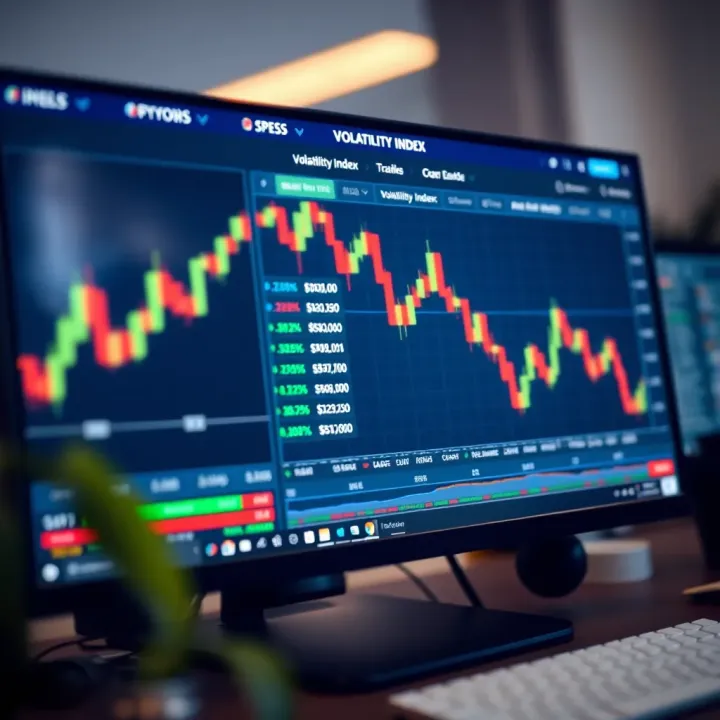
Not all brokers offer the same variety of volatility indices. Some focus on well-known indices like the VIX (which measures volatility in the US stock market), while others may provide access to volatility indices based on commodities, bonds, or emerging markets. For example, a South African trader interested in global markets might prefer a broker offering a diverse range from the CBOE’s VIX to the UK’s FTSE volatility index or even customised indices. A wider selection lets you diversify your exposure and tailor your trading strategy.
The cost of trading volatility indices often depends on spreads (the difference between buy and sell prices) and any commission fees charged by the broker. Lower spreads can be crucial for short-term traders who make many trades, as a tighter spread means less cost per transaction. For instance, a spread of 2 points on a volatility index might seem small but can quickly eat into returns if trades are frequent. Some brokers also charge a commission per trade, which adds to the overall cost, so it’s worth comparing brokers closely.
Leverage allows traders to control larger positions with a smaller amount of capital. Brokers typically offer leverage ranging from 1:10 to as high as 1:100 for volatility indices. While higher leverage can magnify profits, it also raises the risk of significant losses. For traders in South Africa, it’s important to choose a broker whose leverage conditions align with your risk appetite and strategy. For example, an intraday trader might use higher leverage, whereas a long-term trader might prefer lower leverage to reduce exposure risk.
The minimum deposit is another important factor, especially for those just starting out. Brokers may require anything from R500 to R10,000 or more to open an account. A lower minimum deposit lets new traders enter the market without risking too much upfront, while higher minimums often come with more perks or better trading conditions. For example, some brokers award tighter spreads or personalised support to clients who deposit above a certain threshold.
Fast execution of trades is essential in volatility index trading, where prices can change rapidly. Brokers that provide near-instant order execution reduce slippage—the gap between expected and actual trade price—which is critical during volatile periods. Additionally, the availability of various order types like limit orders, stop-loss, and trailing stops helps traders manage trades more precisely. A broker offering these features enables you to react quickly and limit downside risk.
Good customer support is a practical lifeline, especially when technical issues arise or you need clarification on platform features. Look for brokers offering 24/7 support via multiple channels like phone, live chat, and email. South African traders appreciating a local presence or support in English and local languages can find this especially helpful. On top of that, brokers providing educational material—webinars, tutorials, and market analysis—can help both novices and seasoned traders sharpen their skills and make informed decisions.
Selecting a broker isn’t just about cost; it’s how well the broker’s offerings fit your trading style, risk tolerance, and need for support. Check features closely to avoid surprises and trade with confidence.
Understanding the regulatory environment is critical when selecting a broker for trading volatility indices. In South Africa, traders face unique risks, including market volatility and the potential for scams. Choosing a broker that operates under strong regulation helps protect your investments and offers peace of mind.
South African traders should prioritise brokers regulated by reputable bodies to avoid falling foul of unscrupulous operators. Regulation ensures brokers meet financial standards, such as maintaining client funds separately and providing transparent reporting. For example, brokers licensed by the Financial Sector Conduct Authority (FSCA) adhere to local rules specifically designed to protect retail investors in South Africa. Without these safeguards, a broker might delay withdrawals or manipulate prices, causing serious losses.
While the FSCA is South Africa’s main regulatory authority, international brokers often hold licences from global regulators like the UK’s Financial Conduct Authority (FCA), Australia’s ASIC, or Cyprus Securities and Exchange Commission (CySEC). Each regulator has its own strict rules regarding capital requirements, client money protection, and operational transparency. Seeing these licences on a broker’s website is a good sign, but traders must verify the details independently. Beware brokers boasting offshore licences that lack real oversight or are from jurisdictions known for lax standards.
Identifying a reliable broker goes beyond checking licences. Look for brokers with a clean disciplinary record and positive reviews from independent sources like MyBroadband or online trader forums. Transparency is key: trustworthy brokers openly display their fees, terms, and trading conditions. Also, test their customer service promptly—reliable brokers offer friendly, knowledgeable support that can assist quickly, especially given the fast-moving nature of volatility index trading.
Remember, a broker’s security measures—such as two-factor authentication and encryption for online accounts—also matter. These layers of protection shield you from cyber threats common in online trading.
In short, South African traders should focus on regulatory compliance, reputable licenses, and clear broker transparency to make confident, informed choices when trading volatility indices. These factors combined reduce risk and build a safer trading environment.
The choice of trading platform can significantly influence your experience when trading volatility indices. It’s not just about access to these instruments, but also how well the platform supports analysis, execution speed, and overall ease of use. Because volatility indices often see sharp price swings, having reliable tools and responsive platforms is vital for both spotting opportunities and managing risk effectively.
MetaTrader 4 and 5: MetaTrader platforms remain popular globally, including in South Africa, due to their user-friendly interface and extensive feature set. MT4 is well known for forex trading but supports volatility indices through CFDs on many broker platforms. MT5, the updated version, offers more advanced charting tools, additional timeframes, and a broader range of order types, helping traders better grasp the rapid movements typical of volatility indices. Both platforms allow the use of Expert Advisors (EAs), which means you can automate trading strategies designed for volatile markets.
Proprietary Broker Platforms: Some brokers prefer to offer their own trading platforms tailored specifically for volatility index trading. These proprietary platforms often include unique indicators and custom order types that are optimised to handle the rapid changes seen in volatility indices. For instance, a broker like IG provides platforms with integrated volatility analysis tools and real-time market sentiment data, giving you an edge. The downside can be less familiarity if you’re used to common platforms like MT4, but these proprietary tools often provide deeper insight into specific assets.
CTrader: Known for its sleek design and advanced charting capabilities, CTrader is favoured among traders who prioritise both aesthetics and function. It supports algorithmic trading via cAlgo, enabling more sophisticated approaches suited to volatility trading. Its Level II pricing feature offers detailed market depth, which is helpful in understanding liquidity around volatility indices. In South Africa, traders who stream live data and prefer detailed market analysis often find CTrader a strong contender alongside MetaTrader platforms.
Charts and technical analysis tools are the backbone of trading volatility indices. Platforms should offer a variety of chart types (candlestick, line, bar) and advanced indicators such as Bollinger Bands or Average True Range (ATR), which help measure volatility directly. Real-time data feeds are essential; lag can mean missing key price moves. Many platforms now bundle trading signals, economic calendars, and news feeds, allowing you to stay informed without toggling endlessly between windows.
Mobile trading apps have become a necessity for modern traders, especially in South Africa where many rely heavily on mobile internet. Look for platforms offering stable, responsive apps that replicate desktop functionality as closely as possible. This means access to real-time charts, order placement, and account management all from your cellphone. Brokers like ThinkMarkets and Plus500 offer mobile apps rated highly for usability, enabling you to monitor quick price swings in volatility indices while on the move or during loadshedding periods.
Reliable, feature-rich platforms with strong trading tools are non-negotiable if you want to trade volatility indices confidently. Pick platforms that match your style—whether that’s fast execution, expert automation, or detailed charting—because your edge in volatile markets depends on having these tools at your fingertips.
Trading volatility indices offers opportunities, but with that come real risks that demand solid management. These indices often react violently to market shifts, so making smart choices about how to protect your positions is key. Without proper risk controls, you can quickly find yourself on the wrong side of a trade and facing significant losses.
Volatility indices measure market uncertainty, which means they can swing sharply in either direction. This unpredictable behaviour can lead to rapid gains but also steep losses. For example, during sudden economic news or political events in South Africa, volatility can spike unexpectedly. Traders who enter a position without limits might lose more than they expect if the market moves quickly. Furthermore, leverage—commonly offered by brokers—amplifies both profits and losses, making it a double-edged sword.
These are essential risk tools that let you automate your exit points. A stop-loss order closes a trade when it hits a certain loss level, preventing further damage if the market moves against you. Conversely, a take-profit order locks in gains by closing a position once a target profit is reached. For instance, if you buy a volatility index contract at 100 points, you might set a stop-loss at 95 to cap losses at 5 points and a take-profit at 110 to secure a 10 point gain. Although these orders aren’t foolproof, they help traders avoid letting emotions control decisions.
This involves deciding how much of your trading capital to risk on each trade. Proper position sizing prevents massive exposure to one trade, which is vital in volatile markets. Say you have a R50,000 trading fund; risking only 2% per trade means you lose no more than R1,000 on a losing position. Many beginners overleverage, piling in too much too soon. Keeping positions modest relative to your account helps you stay in the game longer, and handle market swings without panic.
Hedging allows traders to offset potential losses by taking positions in related assets. For example, if you hold a long position on a volatility index, you might hedge by shorting a correlated index or using options where available. This reduces net risk during uncertain market stretches. While hedging can reduce profit potential, it’s a useful tactic when markets are choppy or during high-impact news events, like major interest rate announcements by the South African Reserve Bank.
Start small and focus on learning how volatility indexes behave rather than chasing big returns. Use demo accounts offered by brokers to practice strategies before committing real money. Monitor your trades carefully and resist the urge to chase losses by increasing stakes impulsively. Stick to your risk management plan even in fast markets — discipline beats luck in the long run. Lastly, keep an eye on all costs, including spreads, commissions, and swap rates, as these impact net profitability especially on short-term volatility trades.
Remember, no strategy can eliminate risk entirely, but good management lets you trade with confidence and minimise heavy blowouts. Take the time to understand the tools and techniques – these are your best defence when trading volatility indices.
Learn to trade the Volatility Index (VIX) in South Africa with practical tips on strategies, risk control, and top platforms to suit local market conditions 📈🇿🇦

💹 Discover how to trade forex online safely in South Africa with insights on platforms, strategies, R regulations, and currency trends for local traders.
Learn how to build your own trading robot🤖 for the South African market, from strategy design to coding and testing. Get practical tips to automate trades effectively📈.

💡 Understand binary trading basics, risks, and strategies tailored for South African traders. Learn about options, regulations, and how to trade safely in SA markets.
Based on 9 reviews