
Understanding Synthetic Trading in Modern Markets
📊 Explore how synthetic trading works in South Africa's markets, its advantages, risks, and why traders choose it over traditional methods for smart investing.
Edited By
James Bennett
Derivative trading might seem like a maze, but breaking it down helps you grasp how it functions and why it's relevant for South African investors. At its core, derivative trading involves agreements whose value ties directly to an underlying asset—this could be anything from shares on the JSE, commodity prices like gold or platinum, foreign exchange rates, or interest rates set by SARB.
Unlike buying a share or commodity outright, derivatives let you speculate on price movements or hedge against risks without owning the asset. For example, a gold miner in Gauteng might use derivatives to lock in a price today, protecting against the risk of falling gold prices in the next few months.
South African investors use derivatives for several practical reasons:
Hedging: To shield portfolios from adverse price swings. For instance, wheat farmers in the Free State might hedge against drops in grain prices.
Speculation: Traders looking to profit from price changes without heavy capital outlay.
Arbitrage: Taking advantage of price differences across markets.
The main derivative types you’ll encounter locally are:
Futures: Contracts to buy or sell an asset at a set price on a future date. The JSE offers futures on indices, equities, currencies, and commodity prices.
Options: Give you the right, but not the obligation, to buy or sell at a fixed price within a timeframe.
Swaps: Agreements to exchange cash flows or financial obligations, often linked to interest rates or currencies.
Proper knowledge and risk management matter most when trading these instruments. They can magnify gains but also amplify losses, especially given South Africa's volatile markets and exchange rates.
South Africa’s financial regulatory environment expects investors to be aware of derivative trading’s risks and legal conditions. The Financial Sector Conduct Authority (FSCA) oversees derivatives trading, requiring brokers and trading platforms to follow strict rules ensuring transparency and client protection.
Understanding derivatives opens up new strategies to manage exposure and enhance returns, but trading without a clear plan or solid understanding can be costly. In the sections to follow, we’ll explore specific types, strategies, and regulatory details so you’re equipped to trade wisely in Mzansi’s financial terrain.
Understanding the basics of derivative trading is vital for anyone interested in South Africa’s financial markets. These contracts offer flexibility beyond traditional investing, enabling you to manage risk or pursue profits in ways that stocks or bonds alone cannot provide. For example, a small investor might use derivatives to hedge against sudden rand volatility affecting imported goods.
Derivatives are financial agreements whose value depends on an underlying asset—such as shares, bonds, commodities like gold or maize, or even interest rates. Rather than owning the actual asset, you hold a contract tied to its performance. This means you can gain exposure without direct ownership, often with a smaller initial outlay.
For instance, on the Johannesburg Stock Exchange (JSE), futures contracts allow investors to agree on the price of a commodity like platinum today, for delivery in the future. This helps companies and traders lock in prices and plan ahead.
Unlike buying shares or bonds, derivatives don’t represent ownership or lend you money to a company. Instead, they’re more like a bet on the future price movements of the underlying asset. This difference means derivatives can amplify gains but also increase losses if the market moves against you.
Traditional investments usually provide ownership rights or fixed returns, while derivatives focus on the price swings of assets. This makes derivatives useful for short-term trading and hedging rather than long-term wealth-building alone.
One major reason investors trade derivatives is to speculate on price changes without committing large capital upfront. For example, by purchasing a call option on a company like Sasol, you gain the right to buy shares later at today’s price, hoping the share price rises. If successful, you profit from the difference, often with less money invested compared to buying shares outright.
Speculation through derivatives can multiply returns quickly, but it also exposes traders to swift, significant losses if markets move unfavourably. Because of this risk-reward profile, derivatives suit those comfortable with volatility and keen to seize short-term opportunities.
Derivatives also serve as insurance against adverse market moves. Imagine a mining firm worried about falling platinum prices. By entering into a futures contract to sell its output at a fixed price, it can protect itself from price drops that would hurt profits.
Similarly, South African businesses exposed to currency swings—say, due to imports or foreign loans—can use currency derivatives to lock in exchange rates. This hedging shields them from sudden rand fluctuations, smoothing costs and revenues amid volatile markets.
Derivatives aren’t just for gamblers; they’re indispensable tools for managing risks and enhancing strategic flexibility across various sectors in South Africa.
In sum, the foundation of derivative trading lies in understanding these contracts’ nature and purpose. Whether for speculation or hedging, they allow investors and companies to navigate financial uncertainty more effectively than traditional investments alone.
Derivative contracts come in various forms, and understanding their differences is key for South African investors looking to use these tools effectively. The common types—futures, forwards, options, and swaps—each serve different purposes and carry distinct risks and rewards. Knowing how these instruments work locally helps investors navigate the JSE (Johannesburg Stock Exchange) environment and manage exposure in volatile markets.
Futures and forwards are agreements to buy or sell an asset at a specified price on a future date. Forwards tend to be customised contracts traded over the counter (OTC), while futures are standardised and traded on exchanges. Both allow investors to lock in prices, helping to manage risk or speculate on price changes. For instance, a farmer expecting to harvest maize in a few months might use a futures contract to guarantee a selling price, guarding against market dips.
The JSE offers futures contracts on assets like equity indices (e.g., Top 40 Index futures), currencies like the rand against the US dollar, and commodities such as gold and white maize. Take white maize futures: a trader betting on a good weather season might buy futures now to profit if prices rise later. Conversely, an importer concerned about rand depreciation may enter a currency futures contract to secure the exchange rate. These products are liquid enough to facilitate active trading while reflecting South Africa's unique market dynamics.
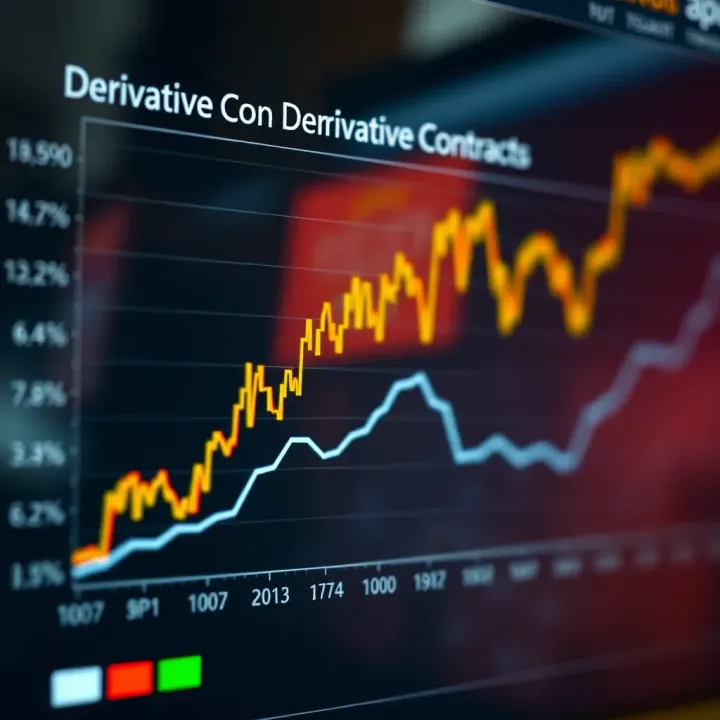
Options give the buyer the right, but not the obligation, to buy (call) or sell (put) an asset at a certain price before a specific expiry date. This flexibility helps traders and investors hedge or speculate with defined risk. For example, a Johannesburg-based investor holding shares in a mining company may buy put options as insurance against a sudden share price drop during uncertain global commodity cycles.
Options strategies vary from straightforward buying or selling of calls and puts to more complex plays like covered calls or spreads. These techniques can adjust risk exposure or enhance income. Say an investor owns shares in Sasol but expects limited near-term growth; they could sell call options to earn premium income, though risking losing the shares if prices surge. Options allow South African investors to tailor their risk profiles amid local and international market fluctuations.
Swaps involve exchanging cash flows between parties, often to manage exposure to interest rate or currency fluctuations. South African corporates with foreign loans might enter currency swaps to convert rand obligations into dollars or vice versa, thus smoothing repayment costs amid rand volatility. Interest rate swaps let firms exchange fixed-rate debt for floating rates, or the opposite, to better match their cash flow expectations.
Other derivatives such as credit default swaps or exotic options see limited usage locally due to complexity and regulatory scrutiny. These instruments typically serve specialised roles for institutional investors or large corporates managing intricate credit or market risks. While not common for retail investors, understanding their existence broadens perspective on how derivatives shape local financial markets.
Knowing the practical features of these derivatives and how they apply in South Africa equips you to use them smartly—whether hedging risk on a farm, managing currency exposure for imports, or fine-tuning an investment portfolio.
Understanding the risks involved in derivative trading is essential for South African investors looking to manage their financial exposure wisely. Derivatives, by design, can magnify both gains and losses due to their leverage and complexity. Being aware of these risks helps you make informed decisions and avoid costly mistakes, particularly in volatile markets like those frequently seen on the JSE.
Derivatives are highly sensitive to changes in the value of their underlying assets, such as shares or commodities. This leads to significant price swings, or volatility. For example, a futures contract on Goldfields shares can see rapid price changes driven by factors like mining strikes, currency shifts, or global commodity demand. This volatility can both present opportunities and pose threats depending on the timing and direction of your trades.
The leverage built into derivative contracts means even small market moves can lead to large gains or losses, affecting your overall portfolio balance. If you hold options or futures as part of your investment strategy, sudden movements against your position can wipe out your margin or collateral, forcing you to inject additional funds or close positions under unfavourable terms. This can destabilise diversified holdings, so monitoring exposure and using risk limits is vital.
Some derivatives, especially outside popular instruments like JSE-listed futures or options, can suffer from poor liquidity. This means it may be hard to buy or sell a contract quickly without impacting its price. For example, a seldom-traded currency swap in rand might have scarce counterparties, leading to delays or unfavourable prices when trying to exit.
Unlike traditional stock trades, derivatives often depend on the other party fulfilling their obligations. If a counterparty defaults, you could suffer losses even if the market moves in your favour. While exchange-traded derivatives have clearinghouses to reduce this risk, over-the-counter (OTC) contracts rely heavily on the creditworthiness of the other participant, which must be carefully assessed.
South Africa’s Financial Sector Conduct Authority (FSCA) regulates derivative markets to maintain fairness and transparency. However, compliance requires rigorous reporting and margin maintenance, which can be burdensome for smaller investors. Rules such as mandatory margin calls can lead to unexpected cash demands, impacting your liquidity if unplanned.
Operational risks include technology failures or human errors during trading. For instance, a system outage at your broker’s platform during high-volatility periods might delay order execution, exposing you to price gaps or losses. Similarly, entering incorrect contract details can lead to costly mistakes. Having contingency plans and thorough checks helps mitigate these risks.
Derivative trading offers powerful tools for managing risk and boosting returns, but understanding its risks—market moves, liquidity shortages, counterparty reliability, regulatory duties, and technical glitches—makes all the difference in staying in control on the JSE and beyond.
Derivative trading plays a significant role in the toolkit of South African investors looking to manage risk, speculate sensibly, or diversify their portfolios. It’s not just about chasing quick gains — derivatives offer practical ways to hedge against common financial risks that many local investors face, particularly currency fluctuations and interest rate changes.
Derivatives are often used to protect investments against unwanted swings in currency and interest rates. In South Africa, with the rand's well-known volatility, companies and investors exposed to foreign currencies can use currency forwards or options to lock in exchange rates and avoid painful losses. For instance, an exporter who’s supposed to receive payments in US dollars can enter a forward contract to sell those dollars at a fixed rand price later on. This way, they avoid the risk of the rand strengthening unexpectedly, which would reduce their earnings.
Interest rate swaps also come in handy for managing the impact of fluctuating borrowing costs. A business with a loan linked to the JIBAR (Johannesburg Interbank Agreed Rate) could swap its variable interest payments for fixed ones if rates start climbing, offering greater cost certainty.
Examples relevant to South African investors range from mining companies hedging commodity price risks to pension funds aiming to guard against market drops. Consider a pension fund worried about the effect of rising inflation on bond yields. They might use derivatives to adjust their exposure, helping to smooth returns over the long haul without selling off core assets.
Speculators use derivatives to take larger positions in the market than their capital would otherwise allow — this is called leveraging. It can magnify profits quickly, especially when markets move in their favour. For example, a trader expecting the rand to weaken might buy currency options or futures contracts to profit from the predicted move without needing the full amount of capital upfront.
Still, the flipside is clear: leveraging increases exposure to losses. Because derivatives can be complex and volatile, balancing the potential rewards with the risks is key. Traders must keep a keen eye on position sizes and maintain adequate risk controls to avoid being caught out by sudden market reversals.
Derivatives can complement traditional stocks and bonds by offering tools for downside protection or income generation. For instance, an investor holding many JSE-listed shares might write covered call options to earn extra premium income while still holding their positions.
Both individual and institutional investors should consider their risk appetite, time horizons, and familiarity with derivatives before integrating them. Institutional investors like asset managers often have dedicated teams managing derivatives as part of broader strategies, while individual investors must proceed cautiously, ideally under guidance, to avoid outsized risks.
Using derivatives thoughtfully can enhance portfolio resilience and open up new avenues for returns — but only when their features are clearly understood and risks actively managed.
This balanced approach to derivatives fits well with South Africa’s evolving investment landscape, helping investors guard their wealth while thoughtfully pursuing opportunities.
Navigating the regulatory universe is key for anyone involved in derivative trading in South Africa. The rules shape how trades happen, who can trade, and safeguard the market from abuse and instability. This section sheds light on the essentials — from the watchdog role of the Financial Sector Conduct Authority (FSCA) to picking the right trading platform, and understanding how tax duties come into play.
The FSCA is South Africa’s main regulatory body overseeing financial markets, including derivatives trading. Their role involves making sure brokers, exchanges, and traders stick to fair dealing and transparency standards. For instance, the FSCA enforces conduct standards that prevent market manipulation and insider trading, helping to maintain investor confidence.
For South African investors, this regulatory oversight means trades are monitored for integrity and legal compliance, reducing the chances of falling into traps set by unscrupulous players. Using an FSCA-registered broker adds a layer of security, assuring clients that their investments are handled with proper safeguards.
Margin rules require traders to put down a portion of the contract’s value as security. This helps control risk by limiting leverage and ensuring traders can meet their obligations if markets move against them. In South Africa, these margins are tightly regulated, especially on exchanges like the JSE’s Equity Derivatives Market.
Regular reporting is also mandatory for transparency. Traders must report their positions and trade details to authorised bodies, which helps prevent excessive risk accumulation and market shocks. For example, firms engaging in high volumes of derivatives must submit detailed reports showing their exposures, giving regulators a clear picture of systemic risks.
Picking the right broker goes beyond just fees. Investors should look at a broker’s reputation, regulatory status with the FSCA, and the products they offer. Local brokers such as Standard Bank Online Trading or PSG Online provide access to the JSE derivatives market with varying tools and support.
It’s wise to check how user-friendly their platforms are and whether they offer proper education or advice. A decent broker can help you navigate complexities like margin calls or position limits, which can make a huge difference when markets get choppy.
Good technology means smooth order execution, real-time market data, and reliable platform uptime. South African investors increasingly expect mobile-friendly platforms and fast trade confirmation. Platforms with integrated risk management tools or margin calculators, like EasyEquities or FNB Securities, give traders a hands-on feel for their risk.
Access to international markets is also a factor. While many trade local derivatives, some brokers offer access to offshore derivative products, expanding opportunity but adding layers of regulation and tax considerations.
The South African Revenue Service (SARS) treats profits from derivative trading based on whether the activity is speculative or forms part of a business. Typically, profits from derivatives are taxed as income if you're actively trading, while occasional gains might fall under capital gains tax (CGT).
This means a derivative trader making a living from speculation might pay income tax, which is usually higher, whereas a long-term investor might pay CGT at a lower effective rate. Understanding your trading intent and keeping clear records helps clarify tax treatment.
SARS requires detailed bookkeeping for derivative trades, especially to track gains, losses, margins paid, and expenses. Accurate records ease the burden when filing tax returns and reduce the risk of SARS disputes. This is particularly important because derivative contracts can generate complex tax events like realised and unrealised gains.
Moreover, SARS expects timely reporting and full disclosure of derivative positions, especially for active traders. Keeping digital copies of contract notes, statements, and broker communications is good practice and can save you headaches down the line.
Staying on top of regulations, choosing competent brokers, and planning for tax obligations are not just boxes to tick—they form the backbone of a solid derivative trading strategy in South Africa. Traders who manage these aspects well stand a better chance of sustaining success in volatile markets.
📊 Explore how synthetic trading works in South Africa's markets, its advantages, risks, and why traders choose it over traditional methods for smart investing.

📈 Learn what day trading means for South African investors, the key skills, tools, risks, rewards & how local market factors shape your trading choices effectively.
🖥️ Find the right laptop for your forex trading needs with tips on performance, multitasking, budget options, software essentials, and setup care tailored for South African traders.

📈 Explore CWG Markets from a South African angle – trading options, fees, platform insights, regulation, and practical tips for local traders navigating risks wisely.
Based on 5 reviews