
How to Start Forex Trading: A Beginner's Guide
🌍 Learn how to start forex trading with clear steps and key concepts explained. Manage risks and build confidence in your first trades in the forex market. 📈
Edited By
Charlotte Bennett
In South Africa's investment scene, online trading platforms have made it simple to enter the market, but that ease has also brought a rise in fake trading websites. These fraudulent sites are designed to look legitimate but exist simply to steal your money or personal details. For traders, investors, financial analysts, brokers, and advisors, recognising these scams quickly can save you from losing hard-earned cash.
Fake trading websites often use slick design and fancy terms to lure you in. However, beneath the surface, they tend to share certain red flags. For instance, they may promise unusually high returns with no risk, or use pressure tactics to make you deposit funds urgently.
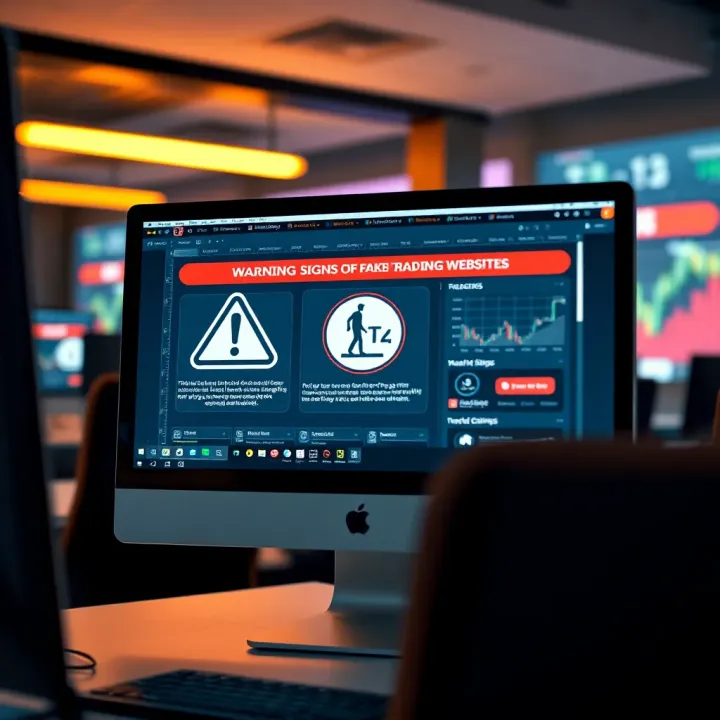
Beyond the obvious, it's essential to check a platform's regulatory standing. In South Africa, the Financial Sector Conduct Authority (FSCA) oversees licensed trading platforms. An exchange not registered with FSCA is a major warning sign and should make you pause.
Apart from regulation, consider these practical tips:
Inspect contact details: Legitimate sites will list verifiable physical addresses and active phone numbers. A site with only a generic contact form or email raises suspicion.
Look for user reviews: Check trusted forums and social media for genuine user experiences. Fake sites often lack credible feedback or have repetitive, overly positive comments.
Assess payment methods: Scammers favour untraceable transfers or cryptocurrencies without clear explanations. Secure platforms offer a variety of transparent payment options.
Never rush into making payments. Taking a moment to verify details thoroughly can prevent a costly mistake.
By developing a habit of careful scrutiny and verifying basic legitimacy markers, you protect yourself and anyone you advise from deceptive trading websites. This article will help you spot these red flags and take practical steps to safeguard your investments in the evolving South African digital market.
Spotting a fake trading website early can save you from losing your hard-earned money. These sites often mimic legitimate platforms, but they betray themselves through certain common signs. Understanding these red flags helps you steer clear of scams and invest with confidence.
Unrealistic returns are the biggest giveaway. If a platform guarantees fixed returns of 20% a month or claims you can double your investment in a week, be wary. In reality, the stock market and forex trading carry risks; no genuine broker can promise consistent high profits without risk. A scam site might use flashy banners proclaiming, "Earn R10,000 daily from your couch!" to lure naive investors. Remember, if it sounds too good to be true, it probably is.
Legitimate trading platforms in South Africa usually invest in a clean, professional design that’s easy to navigate. Fake sites often have clunky layouts, broken links, or pages with spelling mistakes. For instance, if you stumble upon a site where the ‘Login’ button doesn’t work or where content is copied from unrelated sources, it's a strong warning sign. These sites may also lack mobile responsiveness, which is especially suspicious given the high mobile internet usage among local traders.
Any trustworthy trading platform will clearly display its licence details and regulatory registration numbers. In South Africa, look out for oversight by the Financial Sector Conduct Authority (FSCA). If the website makes no mention of being registered with FSCA or similar bodies like the FCA or ASIC, be cautious. Some fake sites display counterfeit licence numbers or claim offshore regulation in obscure jurisdictions. Always double-check by searching the regulator’s online register.
If you can’t easily find a physical address or direct contact number, that’s a red flag. Legit companies provide clear communication channels, including responsive customer support via phone, email, or live chat. Fake websites might only offer registration forms or generic email addresses like gmail.com or yahoo.com, rather than official company domains. When you try reaching out, no reply or delayed responses often follow.
Never rush into investing. Take time to inspect these signs closely. Your financial safety depends on it.
By keeping an eye on these tell-tale signs, you improve your chances of spotting bogus trading websites early. This means safeguarding your money and maintaining peace of mind when investing online.
Understanding real-world examples of fake trading platforms helps you recognise red flags before investing your hard-earned Rand. These scam websites often masquerade as legitimate brokers, using flashy promises and slick branding to draw in unsuspecting investors. Knowing what scams are doing on the ground in South Africa puts you in the driver’s seat to spot dodgy platforms quickly.
Scammers often tailor their fake sites specifically for South African investors to exploit local regulations and investor behaviour. Names might mimic well-known entities or use international-sounding brands to seem trustworthy. Examples include fake versions of popular platforms like "MTN Trade" or "InvestSA Capital" that don’t actually exist but lure people in through social media ads or WhatsApp messages. These sites typically use South African contact numbers that go unanswered or redirect to overseas call centres. Some bogus trading platforms claim to be registered with the Financial Sector Conduct Authority (FSCA) but have no verifiable licence or approval.
A common case involved a site advertising unbelievable returns on cryptocurrency trades, promising 20% profits a week with no risks. Investors were pressured to deposit rand via EFT or instant EFT services like Ozow, only to find the platform would block withdrawals. When customers raised concerns, accounts were deleted, and the site vanished overnight. Several South Africans lost thousands of rands before authorities caught wind.
These fake trading platforms exploit a mix of psychological tricks and technical tactics to reel people in. They often create a sense of urgency by pushing limited-time offers or bonuses that push prospective clients to act quickly without proper due diligence.
They also use fake testimonials or fabricated user reviews to build credibility and portray a bustling, successful trading community. Sometimes, scam sites give new users a small, initial profit to create trust before freezing accounts later. The interface may resemble legitimate brokers, with real-time-looking charts and account dashboards to fool even savvy traders.
Technical sophistication aside, many sites rely heavily on social engineering — friendly chat support that gets you hooked, timely responses, and professional-sounding explanations. Once trust is earned, scammers encourage bigger deposits and steer users toward non-refundable bonuses or complicated withdrawal conditions.
Always double-check regulatory approval and refuse to be rushed by promises or pressure tactics. If a website’s story sounds too good to be true, chances are it is.
By knowing how these fraudsters operate and seeing specific South African examples, you gain a practical edge in protecting your investments. Stay alert, question everything, and use official resources like the FSCA to verify any trading platform’s credentials before committing your money.
When you're considering an online trading platform, verifying its legitimacy should be your first checkpoint. This step can save you from falling into scams that drain your savings or misuse your personal data. A quick background check on the site not only builds confidence but also safeguards your investments from fraudulent schemes that often look convincing at a glance.
One of the most reliable ways to confirm a trading website's authenticity is to check if it holds a valid licence from a recognised regulatory body. In South Africa, platforms should be registered with the Financial Sector Conduct Authority (FSCA). Legitimate sites typically display their licence or registration number on the homepage or at the bottom of every page.
You can cross-check this licence number directly on the FSCA's official website to confirm its validity. Don't just trust logos or claims; some fake sites display bogus licence details. For instance, if the site claims to be overseen by an international regulator like the UK's Financial Conduct Authority (FCA) or the US Securities and Exchange Commission (SEC), it's worth verifying with those bodies too.
Before handing over your money, take a look at what other users say. Independent reviews and online forums provide valuable insights into experiences with a particular platform. South African investor forums and social media groups often discuss recent scams or praise trustworthy providers.
However, be cautious of overly positive reviews posted only on the website itself; these can be fake. Look for feedback on websites like HelloPeter, or established financial communities where verified users discuss their trading experiences. If many users mention withdrawal issues or poor customer support, it's a clear red flag.
Research the company behind the trading website. A legitimate firm will have transparent details including a registered physical address, contact numbers, and names of directors or key contacts. You can search the Companies and Intellectual Property Commission (CIPC) database to check if the business is properly registered in South Africa.
Also, consider how long the company has been operating. A brand-new website without a historical footprint calls for extra caution. Established firms usually have some digital presence beyond their website, such as LinkedIn profiles or news mentions. For example, a platform promising massive returns but with little or no business history might be too risky.
Always remember, a quick verification saves you lots of hassle down the line. Don't rush into deals just because a website looks professional—dig into the specifics and confirm its legitimacy before you invest.
Taking active steps to guard yourself against fake trading websites can save you from losing money and exposing sensitive information. Fake platforms often prey on impatience and lack of research — acting cautiously is your best defence. These steps apply especially to South African traders and investors who are increasingly turning to online options amid tighter regulations and fluctuating markets.
One big trap is rushing into investments without thoroughly vetting the website. Scam sites may boast impressive returns or instant profits, but you should always pause and double-check. For example, never trust a site that pressures you to deposit funds immediately or offers guaranteed profits without risk — such claims are red flags. Always look up reviews on independent forums like MyBroadband and check if the site is registered with the Financial Sector Conduct Authority (FSCA). Remember, legitimate platforms provide clear disclosures and risk warnings.
When you decide to transact, use payment options that offer some buyer protection. Avoid direct bank transfers or sending cash via untraceable methods, as scammers thrive on these. Instead, opt for payments through credit cards, reputable e-wallets like PayPal or Apple Pay, or EFTs with clear references. For South African users, some trusted gateways include SnapScan and Zapper, which can provide an additional layer of security. Also, make sure the site uses HTTPS encryption to protect payment details. Before confirming payments, inspect URLs closely to avoid phishing attempts.
Never share your ID documents, passwords, or banking details unless you're absolutely sure the platform is verified. Scammers may request these to commit identity theft or unauthorised withdrawals. A practical tip is to create unique passwords for trading accounts and enable two-factor authentication (2FA) where possible. Also, regularly check your bank statements for any unfamiliar transactions. For local investors, be alert during loadshedding to avoid phishing emails pretending to be from banks or regulators trying to trick you into revealing personal info. Treat all unsolicited messages with suspicion.
Protecting yourself online takes vigilance and practical steps. Be sceptical of anything that looks too easy, check credentials diligently, and keep your private details closely guarded. In the world of online trading, a cautious approach can prevent serious financial loss.
By applying these practical protections, traders and investors in South Africa can navigate the online market more safely and avoid falling victim to fake trading sites.
Taking action against fake trading websites isn’t just about protecting yourself; it’s about helping guard others from falling into the same trap. When you report these scams, you’re playing a part in disrupting criminal activities that often operate across borders, making it harder for fraudsters to keep targeting unsuspecting traders. South Africa has several channels for reporting, so knowing where and how to alert the right people can make a real difference.
The primary step is alerting South African financial regulators like the Financial Sector Conduct Authority (FSCA). They oversee market conduct and licence authorised trading platforms, so they’re the experts in recognising scams. When you report suspicious sites to the FSCA, you help them track patterns of fraud and issue warnings to the public. For example, if a site claims to be licensed but isn’t on the FSCA’s register, providing that information with supporting screenshots or communication can speed up investigations.
Don’t overlook the role of the South African Police Service (SAPS) in cybercrime. Reporting to SAPS’s specialised cyber unit can aid in criminal investigations and potential arrests. The sooner you notify these bodies, the better the chances of stopping these sites from victimising more people.
If you’ve made payments or transfers to a fake trading site, your bank needs to know immediately. Banks such as FNB, Standard Bank, and Capitec have fraud departments that can flag suspicious accounts, freeze transactions where possible, and advise on next steps to try and reclaim lost funds. Payment providers like SnapScan, Zapper, or even credit card companies also benefit from knowing about scams tied to their platforms.
Sharing details of transactions, including dates and amounts, helps banks trace where the money went. While recovering funds can be tricky, quick reporting can sometimes prevent further withdrawals or payments to criminals.
Besides official routes, telling fellow investors and trading groups about your experience can reduce others’ risk. South Africa hosts active forums on platforms like MyBroadband and Moneyweb, where users discuss scam alerts and share tips. Posting verified information about fake sites—such as URLs, tactics used, or fake licensing claims—helps spread the word fast.
Social media groups and WhatsApp trading circles are equally powerful in warning close networks. However, ensure the details you share are accurate to avoid misinforming or causing panic unnecessarily.
Reporting scam trading websites quickly through the right channels not only supports possible legal action but strengthens community awareness, making it harder for scams to thrive.
By combining official reports with community sharing and swift bank notifications, you arm yourself and others against fake trading website threats. Staying alert and acting promptly is key to staying safe in South Africa’s growing online investment market.
🌍 Learn how to start forex trading with clear steps and key concepts explained. Manage risks and build confidence in your first trades in the forex market. 📈
📉 Learn what margin means in forex trading, how it works with leverage, risks involved, and practical tips for South African traders staying within local rules.
🚀 Learn how to build your own trading robot to trade stocks & forex automatically! Step-by-step strategy design, coding tips & legal must-knows for SA traders.
Discover how forex trading robots work 🤖, their pros and cons, types, risk tips, and future trends to boost your trading decisions successfully 📈.
Based on 12 reviews