
Understanding Forex Trading Bots for South African Traders
🤖 Discover how forex trading bots help South African traders automate forex deals while weighing benefits, risks, legal points and practical tips for smart use.
Edited By
Amelia Clarke
Free forex trading bots have been catching the attention of many South African traders looking to automate part or all of their foreign exchange (forex) trading. In a nutshell, these bots are software programs designed to analyse forex market data and execute trades on your behalf, following pre-set rules. While paid bots dominate the market, there’s a growing number of free options promising to help traders, especially those just starting out or working with limited capital.
Trading forex manually involves monitoring currency pairs closely, spotting patterns, and making split-second decisions. Bots aim to take the load off your shoulders by continuously scanning the market 24/7, trying to spot profitable opportunities based on technical indicators or strategies coded into them. However, before jumping on the bandwagon, it’s essential to understand what these free bots really offer and where their limits lie.
For South African traders, using free forex bots comes with practical considerations. For example, local regulations and broker compatibility need to be factored in. Many free bots require you to link your trading account via application programming interfaces (APIs), and not all brokers or platforms widely used here will support every bot. Popular platforms like MetaTrader 4 (MT4) and MetaTrader 5 (MT5) often serve as the base for many free bots, but you’ll want to confirm if your broker supports this or if alternatives are available.
Moreover, while free forex bots can help automate routine tasks and might reduce emotional trading mistakes, they are not magic wands guaranteeing profits. Market volatility, especially amid global economic uncertainty or local events, can still derail automated strategies. It's best to see these bots as tools—not replacements for sound trading knowledge and disciplined risk management.
Remember: trading bots rely on the strategies programmed into them. A free bot with outdated or overly simple logic could lead to losses just as easily as gains.
In this article, we'll unpack how free forex trading bots work, evaluate their common features, and lay out key points for South African users. Whether you’re considering dipping your toes into algorithmic trading or seeking insights into automation’s role in your portfolio, this guide aims to give you practical advice rooted in local realities.
Grasping what free forex trading bots are and how they work is essential before you consider using one. These automated tools can execute trades on your behalf based on programmed rules, which can save time and reduce emotional decision-making in the fast-paced forex market. However, knowing their basic principles and types helps set realistic expectations and guides you to the right choice for your trading style.
At its core, a forex trading bot is software programmed to perform trading actions automatically. Instead of manually placing trades, the bot follows pre-set strategies derived from technical indicators or price patterns. This automatic process aims to capture market movements without requiring the trader to watch charts constantly. For example, a bot might be programmed to buy a currency pair when a moving average crossover occurs and sell when the trend reverses.
Bots interact with trading platforms through Application Programming Interfaces (APIs), which let them send orders and receive market data directly. This connection allows the bot to execute trades quickly and monitor live price changes without human intervention. Popular platforms like MetaTrader 4 and MetaTrader 5 offer built-in support for such automated agents, enabling users to run bots on desktop or Virtual Private Servers (VPS). This setup is particularly important in South Africa, where unreliable internet or loadshedding could disrupt manual trading.
Trend-following bots base their decisions on market momentum and follow the direction of price movements. If the currency shows an upward trend, these bots enter long positions; if downward, they sell or short. This approach works well in trending markets but may result in losses during sideways or choppy price action. An example is a bot programmed to trade using simple moving averages crossing signals.
Grid and scalping bots take a different approach by placing multiple small trades at set intervals. Grid bots open buy and sell orders at predetermined price gaps to profit from market fluctuations, even during sideways trends. Scalping bots execute quick trades for tiny profits by exploiting small price changes within short time frames. These bots require tight controls over risk management and spread costs, which can be challenging with some South African brokers if fees are high.
Signal-based bots rely on external trading signals from experts or algorithms to make decisions. They receive trade alerts and automatically execute orders accordingly. While this can be convenient, the quality of the signals heavily influences the bot's performance. Traders often subscribe to signal services and link them to bots for hands-off trading. The key is to verify signal reliability before committing large capital.
Knowing these bot types enables you to match your risk appetite and market conditions better. Remember, no bot guarantees profits, but understanding how they operate helps you use them more effectively.
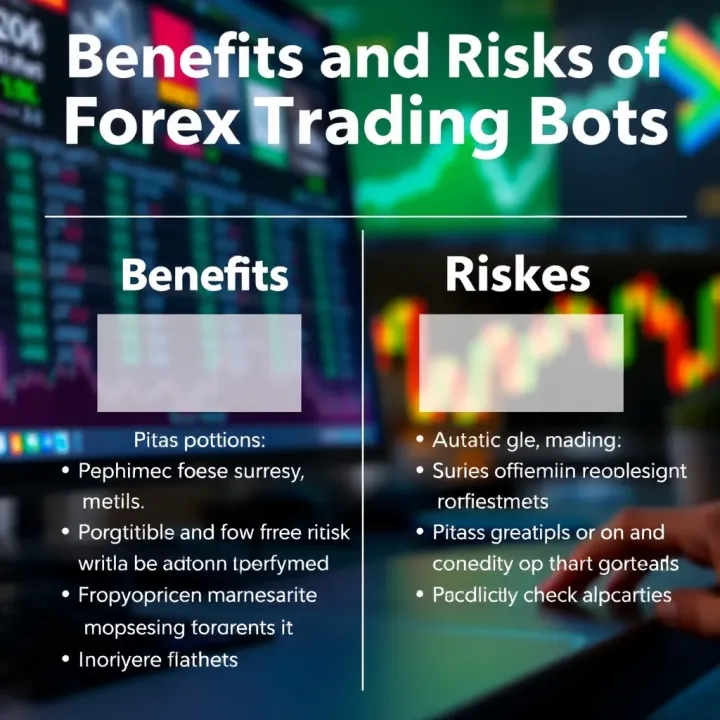
Using free forex trading bots comes with both perks and pitfalls, especially for South African traders navigating the local market nuances. These tools can offer hands-free trading and reduce upfront costs, but traders should keep a close eye on their limitations, such as reliability and lack of personalisation. Understanding both sides helps to make informed decisions before relying on automation entirely.
Hands-free trading options make automation appealing, particularly for those juggling other commitments. Instead of watching charts all day, a forex bot can execute trades according to preset rules 24/7. For example, a trader busy with a full-time job in Johannesburg might set a bot to operate during overseas market hours, ensuring they don’t miss out on opportunities while away from their computer.
This hands-free approach also helps reduce emotional trading. Bots stick to defined strategies without panic or FOMO (fear of missing out), which can cost novice traders dearly. Experienced traders might use bots to complement manual trades, automating routine tasks and freeing time for strategy refinement.
Cost savings compared to paid alternatives is another solid advantage on offer. Many paid bots charge hefty fees or require monthly subscriptions that add up quickly. Free bots eliminate this barrier, making automated trading accessible for traders testing the waters or those with smaller capital.
A South African trader who’s sceptical about investing hundreds of rands upfront can experiment with free bots, gaining useful insights before deciding whether a paid option better suits their style. However, it’s worth remembering that free does not always mean better, especially if support or updates are limited.
Reliability and accuracy concerns can’t be overlooked. Free bots often rely on simplistic algorithms without complex market analysis. This can lead to poor decision-making during volatile market conditions or unexpected news events. For instance, during sudden Rand fluctuations tied to local political developments, a bot might make trades that a human trader would avoid.
Moreover, these bots sometimes lack ongoing updates to tweak their strategies for changing market environments. Traders should treat free bots more as experiment tools rather than fully dependable money-making machines.
Limited customisation and support restrict how much you can adapt a free bot to your trading preferences. Most free bots offer fixed settings, leaving little room to adjust risk tolerance, trade size, or specific pair selections. This is frustrating for seasoned traders wanting more control.
Customer support tends to be thin, with little direct contact or troubleshooting help. In contrast, paid services usually include technical support and user communities that assist when problems arise.
Risk of scams or faulty software is a real concern when picking free forex bots from unverified sources. Some free bots contain hidden malware or are designed to steal user credentials. Others simply don’t function as promised or lack transparency about their trading logic.
South African traders must be vigilant, relying on recommendations from credible local trading forums or established online platforms. Testing any bot in a demo account before live use is also critical to protect capital.
Free forex bots can save time and money but expect trade-offs in reliability and control. Always start cautiously and treat these tools as aids, not magic bullets.
Choosing the right free forex trading bot can be a tricky affair, especially with so many options available online. For South African traders, it's not just about finding a bot that promises quick profits; it's about selecting one that suits your trading style, aligns with local broker requirements, and offers clear, honest operation. Making the right choice can save you from headaches down the line — a clunky bot or one that isn’t compatible with your broker can cost you both time and money.
Your forex trading bot must work well with brokers authorised in South Africa and those you trust. For example, if you trade through an FSA-compliant broker like IG or a local option such as Standard Bank Online Trading, you need a bot that seamlessly integrates with their platform. An incompatibility might result in delayed trade executions or even failed orders, which is a recipe for losses, especially in volatile markets.
Local broker compatibility is more than just a technical checkpoint; it ensures your trades comply with South African financial regulations, including RICA requirements and FICA verification. The last thing you want is to deal with legal hassles because your bot’s operations weren't backed by the right broker infrastructure.
A clear, user-friendly interface is a must. Even if you’re experienced, a cluttered or confusing set-up process can waste precious time and lead to avoidable errors. Free forex bots often lack support, so you want one that doesn’t need a technical degree to get going.
For instance, a bot with straightforward installation guides, simple controls, and easy access to customisable settings makes adapting your strategy easier. This is particularly helpful when adjusting to local trading hours or adapting to Eskom loadshedding schedules, where you might need to pause or restart automation quickly.
A trading bot should not feel like a black box. You must know how it decides when to buy or sell. If the bot’s algorithm and trading rules are clearly outlined, it’s easier to assess whether it fits your risk tolerance and trading goals.
Free bots that disclose their strategies openly allow you to understand potential drawbacks, like how they handle stop losses or whether they stick to conservative scalping or riskier breakout trades. It prevents surprises and helps you monitor performance metrics realistically.
Never let a bot loose with real money without first checking it on a demo account. Most South African brokers offer demo accounts that mimic live market conditions without risking your capital.
Using a demo lets you see how the bot adapts to real-time price shifts and whether it aligns with your expectations. For example, if it struggles with volatile currency pairs like GBP/ZAR or USD/ZAR, you can tweak or ditch it before incurring losses.
Backtesting involves running the bot through historical data to see how it would have performed under past market conditions. It’s a vital step to understand strengths and weaknesses.
Look for bots that provide detailed backtesting reports covering various market scenarios. For example, a bot might excel during trending markets but falter when the Rand is choppy due to domestic economic news. These insights let you plan your live trading approach accordingly.
Tap into South African trader forums, WhatsApp groups, and platforms like MyBroadband to get a grassroots view of bot performance. Local traders often share practical experiences, issues with specific bots, or broker compatibilities.
This feedback is invaluable, revealing nuances that aren’t apparent from official descriptions. For instance, a bot praised overseas might struggle with South African brokers’ interfaces or local data feed quality. Listening to your trading community keeps you ahead of these hidden pitfalls.
Testing your bot thoroughly and choosing one that fits your specific trading context helps protect your capital and improves your odds of success. Don’t rush this step—it’s the backbone of smart automation.
By focusing on these factors — broker compatibility, easy setup, transparent algorithms, and diligent testing — you’ll be better positioned to pick a free forex trading bot that works well for South African traders like you.
When it comes to using free forex trading bots in South Africa, knowing the legal and practical landscape is essential. Without this understanding, traders risk non-compliance, unexpected interruptions, or financial losses. Practical knowledge helps traders pick suitable brokers, manage operational challenges like loadshedding, and control costs related to data consumption.
In South Africa, the Financial Sector Conduct Authority (FSCA) oversees financial markets, including forex trading. While automated trading tools like bots aren’t regulated in isolation, they fall under the wider ambit of trading activities monitored by the FSCA and the Financial Services Board (FSA) historically. This means traders must ensure that their bots operate through FSCA-approved brokers. Using unregulated platforms can put both funds and compliance at risk.
Traders should confirm that their chosen platform complies with FSCA rules, including customer protection measures and proper disclosure. This isn’t just red tape: it safeguards against fraud and ensures better stability in volatile markets.
South African traders must meet certain compliance standards when using automated forex bots. This includes identity verification through the Regulation of Interception of Communications and Provision of Communication-Related Information Act (RICA), ensuring traceability. While RICA mainly governs communication interception, brokers often rely on it during client onboarding.
Moreover, tax obligations remain, regardless of whether trades are manual or automated. Profits from forex trading are subject to income tax or capital gains tax. Keeping accurate records of bot-generated trades is crucial during SARS audits to avoid penalties.
Choosing the right broker is more than just fees and spreads. South African traders should select brokers authorised by the FSCA and compliant with RICA for customer verification. For instance, local brokers like IG or international brokers with South African arms notably comply with these regulations.
Using RICA-compliant brokers also helps avoid account freezes or legal issues, which could occur if a broker fails to verify identities properly. It benefits traders by providing access to local currency accounts, easier deposits and withdrawals in Rand, and smoother customer support.
Loadshedding can disrupt internet access and power supply, causing forex bots to miss trades or execute trades late. Such interruptions can lead to unexpected losses or missed opportunities.
A practical solution is investing in a UPS (uninterruptible power supply) or solar inverter system to keep trading equipment online during outages. Additionally, using mobile data with sufficient out-of-bundle data can provide backup connectivity when fibre or ADSL goes down. Planning trades during off-peak loadshedding schedules also helps.
Forex bots rely on constant data feeds to monitor market changes. In South Africa, mobile data costs are still relatively high compared to many countries. Bots running 24/7 can consume significant data, pushing monthly expenses up.
Traders should consider bundles with affordable uncapped data or high-volume data packages from providers like Vodacom, MTN, or Telkom. Running bots via zero-rated data services or utilising efficient coding that limits unnecessary data calls can also reduce costs.
Many traders underestimate operational costs like data and power, yet these factors are just as important as choosing the right strategy when using automated bots.
With this legal and practical grounding, South African traders will navigate forex automation more confidently and responsibly.
Using free forex trading bots can simplify trades, but to really get value, you need to follow some best practices. These ensure your bot doesn't just run wild with your money but instead supports your trading goals reliably. In a country like South Africa, where forex traders face unique challenges like loadshedding interruptions and data costs, managing your bot effectively is especially important.
Setting stop losses and trade limits helps protect your capital when using a trading bot. Bots can place trades rapidly, but the forex market is unpredictable—prices can swing sharply in minutes. By setting stop losses, you define the maximum loss you’re willing to accept on any trade. For example, if you set a stop loss of 50 pips, the bot will close the position if the price moves against you by that amount. This prevents a single bad trade from wiping out a big chunk of your account.
Trade limits are equally vital because bots may open multiple trades simultaneously, especially with scalping or grid strategies. You can specify the maximum number of open positions or limit the total exposure to guard against overtrading. In essence, these safeguards keep your losses manageable, which is crucial for South African traders who might not always be able to watch markets closely due to things like loadshedding.
Regularly reviewing bot performance is another key step. Even the best algorithm can falter if market conditions change. Checking your bot's trades daily or weekly can alert you to patterns of loss or unusual behaviour. For instance, if your bot suddenly starts placing many losing trades during volatile periods, that’s a red flag.
Keep an eye on your bot’s profit and loss, win rate, and drawdown. Many platforms provide reports or dashboards for this, so you don’t have to crunch numbers manually. By reviewing performance, you stay in control and can pause or adjust your bot before losses pile up.
Staying updated with market shifts is crucial because forex markets are affected by everything from interest rate changes by the South African Reserve Bank (SARB) to geopolitical events affecting the rand. A bot’s strategy might work well in a steady trend but fail during unpredictable conditions.
For example, if SARB announces a surprise repo rate cut, volatility can spike and affect currency pairs like USD/ZAR dramatically. If your bot isn’t designed to handle such swings, you must intervene. Following local and global news related to forex traders through trusted channels can help you anticipate these shifts and manage your bot accordingly.
Adjusting bot parameters as needed lets you customise its behaviour based on real-time data. Many free bots allow tweaking settings like trade size, stop loss distance, or indicators used. If you notice your bot is too aggressive during choppy markets, try tightening stop losses or reducing trade frequency.
Regular tweaks mean your bot stays aligned with your risk tolerance and the prevailing market. Remember, no trading bot set-and-forget approach works forever. Keeping an eye on settings is especially relevant in South Africa, where market conditions can suddenly shift due to local economic data releases or load-shedding impacts on trading systems.
Staying hands-on with your bot through risk management and ongoing learning can turn a simple free tool into a serious trading assistant without losing control over your money.
By adopting these best practices, South African traders can better navigate the ups and downs of forex automation, making free bots worthwhile additions to their trading toolbox.
🤖 Discover how forex trading bots help South African traders automate forex deals while weighing benefits, risks, legal points and practical tips for smart use.

📈 Dive into trading with our South African guide! Understand markets, strategies, and risk to boost your trading skills safely and smartly. 🇿🇦💡

Explore Deriv forex broker from a South African angle 🇿🇦: account types, fees, tools, plus safe deposit and withdrawal tips for smart trading.
💡 Discover how forex demo contests help South African traders practice strategies risk-free. Learn entry tips, benefits, and pitfalls to pick the right platform.
Based on 14 reviews