

Understanding Forex Major Pairs and Market Dynamics
Learn how major forex pairs like USD/ZAR shape South Africa’s market. Understand key currencies, trading tactics, risks, and local influences 📈💱
Edited By
Ethan Brooks
Coca-Cola stands tall as one of the greatest names in the beverage world, but it’s far from the only player in the market. For traders and investors eyeing the drinks sector, understanding Coca-Cola's major competitors offers valuable insights into market dynamics and consumer preferences.
Globally, PepsiCo is arguably Coca-Cola's fiercest rival, competing across multiple beverage categories, including soft drinks, juices, and even snacks. PepsiCo's diversified portfolio and aggressive marketing often see it capture significant market share in both developed and emerging markets. Their recent push into healthier options like sparkling water and protein drinks reflects shifting consumer tastes.
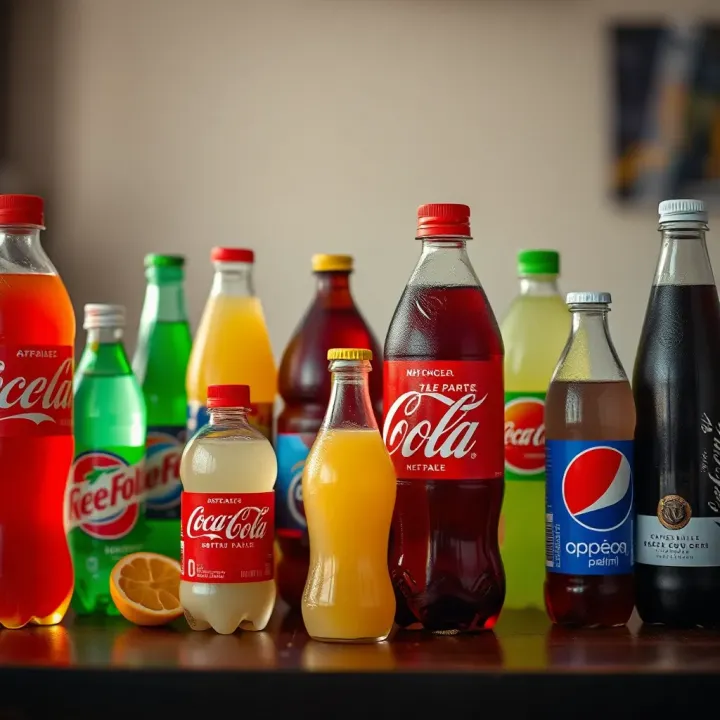
Nestlé also challenges Coca-Cola, especially in the bottled water and health-conscious drink segments. Though primarily known for food, Nestlé's extensive water brands and focus on sustainability make it a notable competitor as consumers become choosier about environmental impact.
In South Africa, local companies like Clover and Pioneer Foods add flavour to the competition, particularly in juices and dairy. Clover’s ripple effect is seen in its stronghold on milk and fruit juice markets, where it leverages local sourcing and consumer familiarity. Smaller beverage companies focused on rooibos and other indigenous ingredients also carve niches, appealing to health-conscious and artisanal buyers.
Meanwhile, Big Soda is feeling pressure from new-age players such as beverage startups offering kombucha, organic teas, and low-sugar concoctions. These brands tap into growing health trends and the demand for transparency, forcing multinational giants to innovate or risk losing relevance.
Market diversity and evolving consumer tastes keep competition fierce. For investors, tracking how these companies adapt – through sustainability efforts or product diversification – is crucial for spotting growth opportunities.
Diversification: Competitors like PepsiCo broaden beyond sodas, offering snacks and health drinks, which buffer against market shifts.
Health trends: Brands investing in sugar reduction, natural ingredients, or functional benefits align with stronger consumer demand.
Local relevance: South African firms often capitalise on regional preferences, creating strong barriers to entry.
Sustainability: Environmental commitment increasingly affects brand perception and regulatory risk.
Keeping an eye on these factors alongside financial metrics provides a clearer picture for strategic decision-making. Coca-Cola’s status isn’t guaranteed; its challengers continuously reshape the market landscape.
Understanding Coca-Cola's global rivals is essential, especially for investors and analysts assessing the soft drink sector's competitive landscape. These rivals not only challenge Coca-Cola's market share but also influence trends in product innovation, distribution, and consumer preferences worldwide. By analysing their approaches, you gain insight into strategic moves shaping the industry.
PepsiCo stands out because it doesn't just stick to carbonated drinks. Its portfolio includes snacks, juices, bottled water, and health-oriented products. For instance, its ownership of brands like Lay's and Quaker Oats gives PepsiCo an edge by spreading risk across various food and beverage categories. This diversity helps it stay resilient, especially as demand for sugary sodas declines in some markets.
PepsiCo operates in over 200 countries, which demands strong local adaptation combined with global branding. Its marketing campaigns often target younger demographics using platforms like TikTok and YouTube, contrasting Coca-Cola's more traditional global campaigns. In South Africa, for example, PepsiCo’s partnerships with local music events have helped build brand loyalty. This broad reach and dynamic marketing help PepsiCo maintain competitiveness by capturing emerging markets and evolving consumer trends.
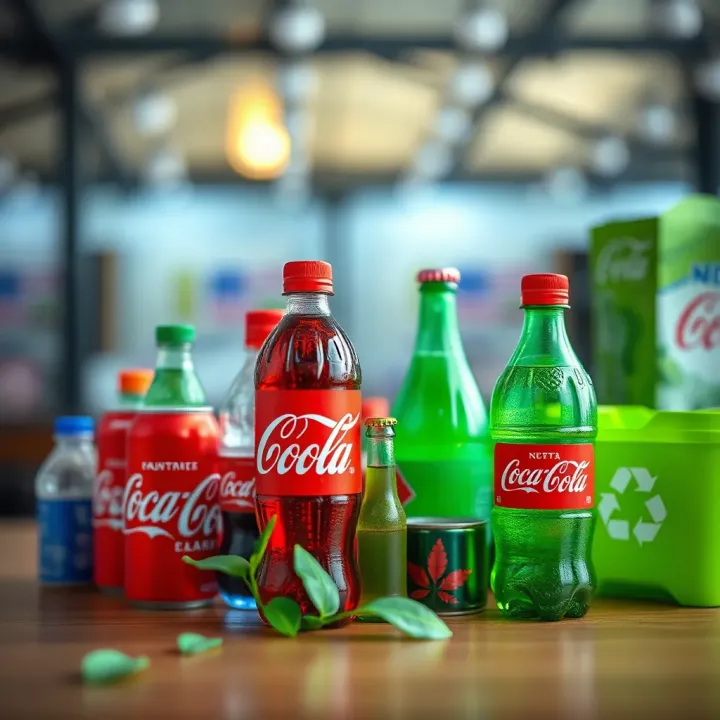
Nestlé’s strength lies in bottled water and nutritional beverages, segments growing rapidly due to health concerns. Bottled water brands such as Nestlé Pure Life enjoy strong market penetration. Their nutritional drinks portfolio, including products like Nesquik and Boost, caters to health-conscious consumers. These segments offer steady growth opportunities, unlike traditional sodas facing health-driven sales slumps.
While Nestlé doesn't directly compete with Coca-Cola’s full soda range, its vast presence in hydration and nutrition markets threatens Coca-Cola’s diversification efforts. Coca-Cola has been buying into water and health drinks but still trails Nestlé’s deep entrenchment in these areas globally. For traders and investors, this split highlights that Coca-Cola is not just competing with classic soda makers but also confronting specialised players reshaping beverage consumption habits worldwide.
Analysts should watch how these key rivals balance global scale with local preferences, manage product portfolios, and adapt to shifting consumer behaviour as these factors heavily influence market dynamics and investment potential.
PepsiCo’s multi-category presence cushions it against soda market dips.
Nestlé’s focus on health-driven beverages taps into long-term growth trends.
Both leverage their global footprints differently but effectively to challenge Coca-Cola’s dominance.
Understanding these rivals can provide strategic insight into future beverage market shifts.
The rise of health-focused brands marks a significant shift in the beverage market. Increasing awareness of sugar-related health issues like diabetes and obesity has pushed consumers towards options with natural ingredients and less sugar. For traders and investors, this trend signals a growing niche that demands attention alongside traditional carbonated drinks. It’s a space where agility and innovation count more than sheer volume.
Consumers in South Africa and globally are moving away from sugary soft drinks. Instead, there’s a clear preference for beverages that offer health benefits without compromising taste. Low-sugar, sugar-free, and naturally sweetened drinks are winning in supermarkets and health shops alike. This shift isn’t just a fad—it reflects a change in lifestyle choices, especially among younger demographics and urban consumers prioritising wellness.
A few local and international companies are capitalising on this change. Brands like Evolve Water, with its mineral-enhanced water, and BetterBody Co, offering natural fruit sodas without added sugar, have carved out solid followings. Internationally, companies such as Spindrift and LaCroix in the sparkling water category show how health-focused products can still excite consumers. These brands compete by emphasising transparency, clean labels, and functional benefits like added vitamins or electrolytes.
Local players are making their mark by tapping into South Africa’s unique cultural and environmental landscape. Smaller regional brands often benefit from closer community ties and quicker adaptability compared to global giants. For example, brands like Savanna’s Rooibos Tea range or Amka Kombucha provide unique products that resonate with local tastes and growing health concerns. Their regional success signals that the market is no longer dominated solely by the big multinationals.
These local brands often tailor their offerings to suit South African palates and traditions. This might mean developing low-sugar beverages infused with rooibos or buchu, plants well known in the region, offering a familiar but health-oriented experience. Besides ingredient choices, packaging and marketing strategies also reflect local nuances, making products more relatable and appealing. This kind of cultural adaptation helps new entrants build loyalty and differentiate themselves.
Health and wellness-focused competitors are reshaping the beverage industry by offering alternatives that reflect changing consumer demands and local identities, creating a more diverse and dynamic market landscape.
In summary, emerging health and wellness brands pose a growing challenge to Coca-Cola by addressing shifting consumer demands with innovative, low-sugar, and culturally relevant options. For investors and market analysts, watching these trends offers insight into the evolving taste profile and spending habits of customers, especially in South Africa’s diverse and health-conscious markets.
Non-carbonated beverages form a significant slice of the drinks market, steadily gaining ground against traditional fizzy drinks. These competitors cover everything from juices and functional drinks to coffee and tea, expanding choices for consumers who seek alternatives to sugary sodas. In South Africa, the rising preference for health-conscious options and premium blends has shifted market dynamics notably, providing viable competition to giants like Coca-Cola.
The juice and functional drinks segment thrives on consumers looking for natural ingredients, vitamins, and functional benefits such as energy boosts or hydration. Brands like Clover and Liqui-Fruit dominate the juice aisle locally, with growing interest in fortified options like coconut water and kombucha. Functional drinks cater to specific needs—think energy, recovery, or gut health—and their increasing popularity reflects broader consumer health trends. This shift affects overall beverage sales, pushing companies to rethink product lines.
When comparing to Coca-Cola’s juice brands, the gap lies in portfolio diversity and regional preferences. Coca-Cola offers Tropicana and Minute Maid, brands well-established in juices internationally, but these face stiff competition locally from tailored, fresher-tasting products that appeal more to South African tastes. Smaller local companies often outmanoeuvre large multinationals by adapting flavours and sourcing closer to home, enhancing freshness and reducing costs. That said, Coca-Cola's distribution network still provides it with a strong advantage in shelf presence and national reach.
Coffee and tea consumption continues to rise, spurred by the growth of local cafe culture and international chains such as Vida e Caffè and Seattle Coffee Company. These brands attract a consumer segment that values artisanal preparation, quality beans, and speciality tea blends over mass-produced beverages. Tea blends infused with rooibos, honeybush, and herbal variations resonate strongly with South African consumers, who appreciate local heritage and wellness properties.
Coca-Cola has responded strategically by expanding into these categories with acquisitions and product development. Its purchase of Costa Coffee widened its footprint in the coffee segment, aiming to tap into the hot beverage market directly. In tea, products like Fuze Tea target consumers looking for subtle flavours and reduced sugar intake. Such moves reflect Coca-Cola’s recognition that rivalry in non-carbonated beverages is growing and that flexibility along with innovation are key to maintaining market share.
Non-carbonated beverages are no longer just a niche but a vital battlefield. For investors and traders, understanding the shifting preferences and key players here is crucial to gauging Coca-Cola’s competitive resilience.
Juice and functional drink markets are expanding due to health trends.
Local juice brands often outmatch multinationals on taste and regional appeal.
Coffee and tea sectors grow with café culture and heritage blends.
Coca-Cola is actively broadening its non-carbonated portfolio to stay competitive.
Understanding these segments offers valuable insight into where Coca-Cola’s main challenges come from beyond traditional fizzy drinks, revealing areas ripe for growth or risk in investment portfolios.
Understanding competitive strategies and market trends is essential when analysing Coca-Cola’s competitors. These strategies determine how companies stay relevant and profitable in a fiercely contested market. For investors and analysts, recognising shifts in product innovation and sustainability efforts offers a clearer picture of future growth and risk factors. The beverage industry constantly evolves, so staying ahead means adapting to consumer preferences, regional regulations, and environmental concerns.
New product launches drive the competitive edge for beverage companies. For instance, PepsiCo's introduction of plant-based drinks and Coca-Cola’s line of zero-sugar alternatives highlight how firms respond to changing consumer health priorities. These launches aren't just about adding variety; they influence market share by appealing to broadened tastes and lifestyles. Monitoring a company’s pipeline of new products gives investors insight into its ability to capture emerging demand and fend off rivals.
Expanding into new beverage categories is another practical route to growth. Companies like Nestlé have ventured beyond traditional soft drinks into nutritional supplements and ready-to-drink coffees. This broadening spreads risk, taps into higher-margin sectors, and meets the rising consumer demand for functional beverages. For example, Coca-Cola acquiring Costa Coffee shows how diversification addresses the blurring boundaries between drinks categories.
Eco-friendly packaging and waste reduction have shifted from being niche concerns to critical business elements. Coca-Cola’s attempt to produce bottles from plant-based materials and efforts to reduce single-use plastics underscore how sustainability affects brand reputation and regulatory compliance. Investors should note these moves since companies lagging in eco-conscious practices risk penalties and losing favour among consumers who prioritise green credentials.
Social responsibility initiatives go beyond environmental concerns. They include community engagement, fair labour practices, and contributions to local economies – all elements that shape a company’s licence to operate. For example, in South Africa, Coca-Cola’s support for water conservation projects amid frequent droughts improves both stakeholder trust and long-term water security. These initiatives highlight a firm's commitment to sustainable growth, which investors often regard as a sign of corporate maturity and resilience.
Keeping an eye on competitive strategies, especially innovation and sustainability, offers traders and investors a lens into how beverage companies will perform amid shifting social and market forces.
Understanding these trends is key to anticipating how Coca-Cola and its rivals will adapt in the coming years.
Learn how major forex pairs like USD/ZAR shape South Africa’s market. Understand key currencies, trading tactics, risks, and local influences 📈💱

Explore The 5ers Trading Program 🤑: trade real capital with low risk, learn rules, benefits, and tips for South African traders looking to grow.

⚡ Explore Tesla's roots, tech, and impact on cars & energy. Discover insights on models, batteries, software & future trends for South African drivers.

Explore Sandile Shezi's net worth, career milestones, and business ventures in South Africa. Discover his investments, wealth sources, and philanthropic efforts 📊💼
Based on 9 reviews