
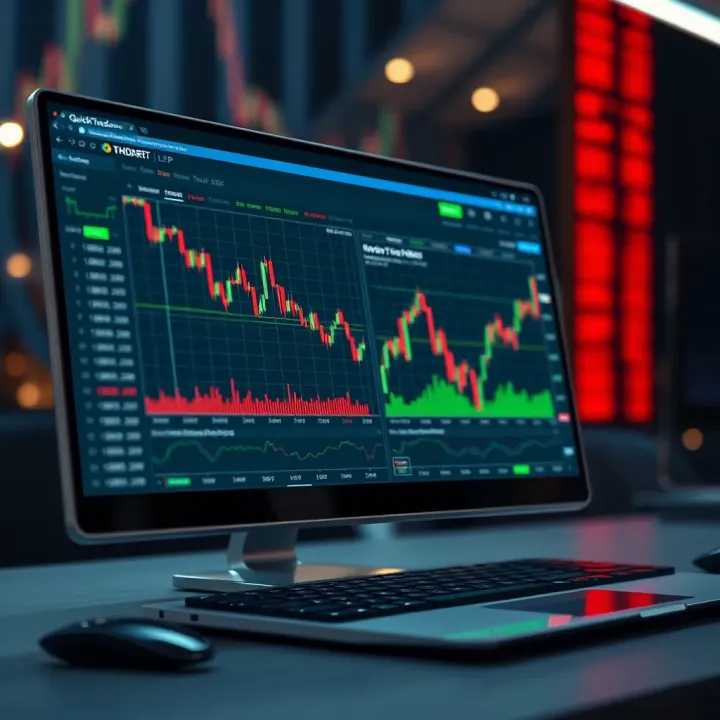
QuickTrade Review: Features, Fees & Support
Explore QuickTrade's features, fees, security, and support in this detailed review tailored for South African traders ready to make informed choices 📊🔒
Edited By
Sophie Langford
Future Forex stands out as a platform that’s quickly gaining traction among South African traders keen on tapping into the global forex market. Unlike older, bulkier platforms, it offers a streamlined interface designed for both beginners and seasoned investors, making market analysis and order execution smoother.
Users often highlight its responsiveness and a variety of currency pairs, including majors like USD/ZAR and minors that suit diverse trading strategies. What’s particularly useful for South African traders is the platform’s integration of local payment methods and adherence to international regulatory standards, which add a layer of trustworthiness.
On the other hand, potential traders should be aware of the risks tied to forex trading, such as market volatility and leverage pitfalls. Future Forex’s transparent presentation of margin requirements and stop-loss features helps manage these risks effectively. Still, it’s vital to approach trading with a solid understanding of market movements and personal risk tolerance.
Customer support also receives mixed reviews: While some praise quick, knowledgeable responses, others note occasional delays during peak trading hours. That said, continuous improvements are apparent, particularly in multilingual support which benefits South Africa's diverse trader base.
Forex trading demands informed decisions — doing your homework on platform features and risk factors saves you headaches and money down the line.
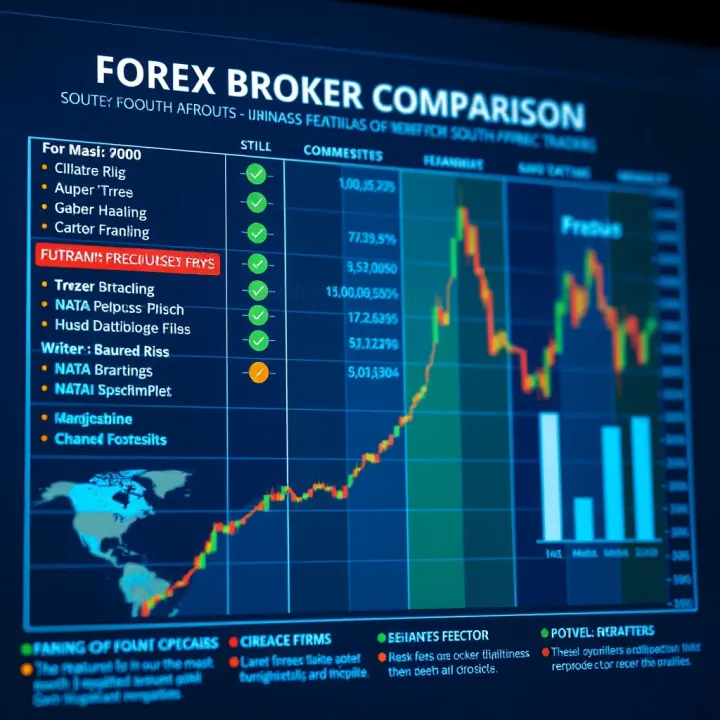
In the bigger picture, analysing how Future Forex compares with other brokers like IG or AvaTrade can reveal where it shines or falls short. Such comparisons often focus on spreads, fees, and platform tools tailored for South African users.
Overall, this review section sets the stage for a detailed look at Future Forex’s capabilities and its relevance in South Africa’s evolving trading scene. Traders looking for a balanced view will find the following sections packed with practical insights and concrete comparisons.
Understanding where Future Forex stands in the broader forex trading market offers valuable context for traders looking to assess their options. This section breaks down the company's history, services, and its appeal to various traders, with a focus on South Africa’s unique trading environment.
Future Forex has been operating since the mid-2010s, gradually building a reputation among forex traders for offering a straightforward and accessible platform. While not one of the oldest brokers in the field, it has gained traction by focusing on user-friendly services and adapting to the fast-changing demands of global forex markets. For example, its early adoption of mobile trading platforms made it attractive to traders who are always on the move, a key plus for the busy South African market where mobile data and connectivity vary from region to region.
Future Forex primarily offers forex currency trading but also provides access to commodities, indices, and cryptocurrencies. The platform supports both manual and automated trading, appealing to both novice traders looking for guidance and experienced ones testing new algorithms. The ability to trade multiple assets on a single platform simplifies portfolio management and can be particularly beneficial for traders wanting diversification without opening multiple accounts.
The company deliberately targets both South African traders and a global client base. South Africans often face challenges like data costs and intermittent internet access, so Future Forex’s streamlined platform helps reduce data consumption without sacrificing functionality. Moreover, the broker’s localised support and educational resources cater to this market’s specific needs, such as guidance on managing forex trades around South African Reserve Bank (SARB) rate changes and exchange controls.
Future Forex offers its platform across web, desktop, and mobile applications, ensuring traders can access it wherever they feel most comfortable. Its mobile app, in particular, is light and functions well even on lower-tier smartphones, which are common across South African townships and rural areas. This accessibility, paired with a simple account registration process, including compliance with local regulations like Financial Intelligence Centre Act (FICA) checks, ensures the platform is within reach for a wide spectrum of traders.
In sum, the overview of Future Forex’s market position helps clarify how it caters to specific markets while remaining versatile enough for international use. Its balance of user-friendly tech, diverse product offerings, and focus on relevant regulations makes it a notable player worth considering in today’s forex trading landscape.
The features and tools available on a trading platform have a direct impact on the success and comfort of traders at all levels. For users of Future Forex, understanding these elements helps in assessing whether the platform suits their trading style and goals. Reliable tools improve decision-making speed, while well-designed features can reduce mistakes and enhance strategy execution.
Ease of use for beginners: New traders often find most forex platforms daunting, but a clean, intuitive interface can make a world of difference. Future Forex’s platform simplifies navigation with clear menus and straightforward order execution. For instance, entering a trade on popular currency pairs involves just a few clicks, helping beginners focus on learning market dynamics rather than struggling with technical details.
Moreover, the learning curve is softened by helpful prompts and easily accessible educational material. This makes it less likely that beginners get overwhelmed or make costly errors, encouraging better retention and confidence.
Advanced features for experienced traders: Those with more trading experience typically look for sophisticated tools such as algorithmic trading capabilities, multiple chart windows, and customisable dashboards. Future Forex provides access to third-party plugins alongside in-built solutions that support complex strategies, like setting conditional orders or trailing stops.
Experienced traders also appreciate dynamic order books and detailed trade history logs to analyse performance. These features help in refining strategies and responding quickly to market swings, especially in volatile currency pairs.
Forex currency pairs: The core of any forex platform is its range of currency pairs. Future Forex caters to South African traders keen on major pairs like USD/ZAR, EUR/ZAR, and USD/EUR, as well as minors and exotics. This variety offers opportunities across global and local economies.
Trading the USD/ZAR, for example, requires close attention to domestic economic reports and exchange controls. Having direct access to these pairs allows traders to react swiftly to announcements, which is crucial in a market as sensitive to currency moves as South Africa’s.
Additional tradable assets: Beyond forex, Future Forex offers commodities like gold and platinum, indices tracking markets such as the JSE Top 40, and cryptocurrencies. South African traders can diversify portfolios or hedge positions using these options.
Including local assets like platinum connects traders to South Africa’s mining sector trends. Cryptocurrencies, meanwhile, meet growing interest among younger investors looking for alternative markets outside traditional finance.
Indicators and customisation: Trading success often depends on precise analysis, and Future Forex’s platform includes a wide range of indicators—such as moving averages, Bollinger Bands, and RSI. Traders can customise these indicators according to their preferred timeframes or combine several for stronger signals.
For example, a trader might overlay a 50-day moving average with MACD to time entry points more accurately. The ability to adjust colours, line thickness, and scales improves usability, making patterns clearer and analysis faster.
Real-time data and alerts: Markets don’t wait, so having real-time price data and alerts is non-negotiable. Future Forex delivers streaming prices and lets users set custom alerts for price levels, volume spikes, or economic news events.
Alerts are especially useful in South Africa, where traders might need to react during local office hours and keep watch on global events impacting the rand. Whether via email, SMS, or in-app notifications, these can prevent missed opportunities or unwanted losses.
Effective platform tools balance simplicity with depth, empowering both novices and seasoned traders to make informed, timely decisions in a fast-moving forex market.

Regulatory compliance and strong security measures are vital for any forex broker aiming to build trust and safeguard clients’ interests. Traders especially in South Africa need reassurance that their funds and data remain secure, while also knowing the broker operates under strict regulatory rules to reduce risks of malpractice.
Future Forex is regulated in South Africa by the Financial Sector Conduct Authority (FSCA), ensuring the broker meets local rules designed to protect traders. The FSCA enforces transparency, fair marketing, and requires brokers to follow capital adequacy and client fund protection standards. This local regulation is key for South African traders since it offers legal avenues if disputes arise.
Besides South Africa, Future Forex often holds licences in other jurisdictions like Mauritius or the Seychelles, jurisdictions known for financial services oversight. While these aren't as stringent as the FSCA, they still impose basic rules preventing fraud and ensuring a minimum level of operational soundness. It’s crucial for traders to check exactly which licences cover their account since protections vary between regulators.
The impact of these regulatory frameworks goes beyond legal compliance—it affects traders’ safety directly. Regulated brokers must adhere to consumer protection laws such as ensuring fair execution of trades and avoiding conflicts of interest. This reduces risks like price manipulation or withholding withdrawals, which have troubled unregulated platforms in the past.
Encryption practices form a first line of defence in protecting traders’ personal details and transaction data. Future Forex typically employs SSL (Secure Socket Layer) encryption or similar protocols, which scramble data to prevent hackers from intercepting information during transmission. For example, when logging in or making deposits, this ensures client details can’t be read by outsiders, protecting against identity theft or fraud.
Another crucial aspect is the segregation of client funds. Future Forex keeps client deposits separate from its own operating money in different bank accounts. This safeguard means if the company experiences financial trouble or goes bankrupt, clients’ money remains protected and can be returned. It’s a key regulatory requirement under FSCA rules and one many South African traders should look for explicitly.
Segregation and encryption together build a safety net that shields your funds and information. When verifying a broker, ask for evidence of these practices to avoid unnecessary risks.
These security measures, backed by licensing oversight, create a more dependable trading environment. While no system is foolproof, choosing a broker with transparent compliance and robust data protection considerably reduces exposure to scams or technical failures.
In short, regulatory compliance and strong data security are not just box-ticking exercises. For South African traders, they form the foundation for peace of mind in the volatile forex market where trust in your broker can make all the difference.
User experience and customer support are vital when evaluating a forex platform like Future Forex. The day-to-day interaction traders have with the platform can greatly affect their success and satisfaction. Smooth navigation, quick trade execution, and responsive help desks all contribute to a trader's confidence and efficiency. In South Africa, where forex trading is growing but still involves challenges like data costs and connectivity issues, the reliability of customer service can make or break the experience.
Clients often praise Future Forex for its user-friendly interface and broad range of currency pairs, which suits both beginners and seasoned traders. Many users appreciate the swift execution on trades and the clear display of real-time data, reducing guesswork. On the flip side, some complaints revolve around occasional delays in withdrawal processing and sporadic downtime that disrupts trading during critical moments. These drawbacks, while not widespread, affect user trust and highlight where improvements are needed.
Among South African users, Future Forex has built a reputation for being accessible and transparent. Forums and social media reviews tend to highlight the platform’s local focus, such as supporting ZAR-based accounts and providing relevant market insights. Traders find value in the broker's compliance with South African regulations, which boosts confidence around fund safety. However, the competitive broker environment means some South African traders weigh Future Forex against other options offering lower fees or more extensive educational resources.
Future Forex offers multiple support channels, including live chat, email, and telephone. This range allows traders to choose their preferred mode of communication based on urgency and convenience. For instance, a quick query about an order can be solved over live chat, while more complex issues like account verification might require email. The availability of a telephone line is a plus, especially in South Africa where real-time voice support is valued.
Customer support is primarily available in English, which suits most South African traders, though there is room to broaden language options for Afrikaans and other local languages to enhance accessibility. Support hours typically cover standard business times, with some availability extending into early evenings. This partially accommodates traders outside the usual 9-to-5, but round-the-clock support would be ideal, especially given South Africa's active trading hours overlapping international forex markets.
Reliable, accessible customer support combined with a seamless user experience can significantly improve trading outcomes and build trust, especially in the South African context where personalised assistance and localised features make a difference.
Clear, fast communication channels
Support tailored to South African traders’ needs
Responsiveness to technical and financial queries
Ongoing improvements based on client feedback
In summary, South African traders choosing Future Forex should weigh user reviews and support reliability as much as fees and platform features. Being backed by responsive customer service often helps mitigate trading risks caused by technical or market issues.
Costs, fees, and trading conditions are central factors for anyone looking to trade forex, especially when deciding on a platform like Future Forex. These elements directly affect your bottom line, trading strategy, and risk exposure. Understanding how they stack up compares helps traders make smarter choices that align with their experience level and financial goals.
The spread is essentially the difference between the buying (bid) and selling (ask) price of a currency pair. Future Forex offers spreads that generally align with industry norms, though they can be marginally tighter or wider depending on market conditions and specific pairs. For example, major pairs like EUR/USD typically have tighter spreads, often around 1.2 pips, comparable to other brokers serving South African traders.
Commissions are separate charges some brokers apply per trade or per lot traded. Future Forex’s fees tend to be competitive, with commission structures that suit both casual and active traders. Overnight fees, or swap rates, apply when positions are held beyond market close and can vary based on the interest rate differentials of the currencies involved.
Even slight differences in spreads or commissions compound quickly, eating into profits, especially for day traders or scalpers. For instance, if your spread is 2 pips instead of 1 pip, over 10 trades a day that extra half-pip can reduce your earnings significantly. Therefore, traders closely watch these fees to maintain profitability.
Overnight fees also discourage holding positions for too long unless justified by a strong market view, as these charges can accumulate. Knowing Future Forex's fee schedule upfront helps you plan trade frequency, size, and holding periods better.
Leverage multiplies your buying power but also your risk. Future Forex provides leverage options ranging from 1:30 to 1:400, catering to both conservative traders and those comfortable with higher risk levels. Beginner traders usually prefer lower leverage to avoid blowing accounts quickly, while experienced traders might use higher leverage to maximise potential returns on smaller capital.
Margin requirements vary accordingly; if you opt for 1:100 leverage on a R10,000 account, your margin for a standard lot is roughly R1,000. Future Forex offers several account types—including standard, mini, and ECN—each with different leverage, minimum deposit, and spreads, helping traders pick what matches their capital and strategy.
Leverage increases exposure, so managing margin calls and stop-loss levels is vital. Future Forex provides tools to monitor margin levels closely and avoid forced liquidations. They also recommend starting with demo accounts to understand margin and leverage impact before committing real funds.
Choosing the right account and leverage ratio is a balancing act between seeking profit and preserving capital, especially given the volatile nature of forex markets. For South African traders, it’s worth noting local regulations limit maximum leverage to protect clients from excessive risks. Future Forex complies with these regulations, ensuring safer trading.
Knowing the full spectrum of costs—from spreads to leverage requirements—gives you better control over your trading outcomes and helps avoid unpleasant surprises that eat into your gains.
In short, Future Forex’s fee structure and trading conditions are on par with industry standards, offering various options suitable for different experience levels and trading styles. Being aware of these details upfront enables you to make choices that support long-term trading success.
Trading on Future Forex presents several risks and considerations that every trader should weigh carefully. Given the dynamic nature of forex markets and the nuances of platform functionality, understanding these elements can help traders avoid unexpected pitfalls and manage their investments more effectively.
Forecasting currency movements is notoriously tricky due to constant fluctuations influenced by global economic events, political shifts, and market sentiment. Forex pairs can experience sudden swings, like when the rand reacts to changes in South Africa's interest rates or Eskom's load-shedding announcements. Such volatility can drastically affect trade outcomes in minutes.
Traders must recognise that losses are as possible as gains, especially during high-impact news releases. For instance, a sudden change in the US Federal Reserve's policy may cause ripple effects across all major currencies, affecting positions held through Future Forex.
To mitigate these risks, traders should employ sound strategies such as setting stop-loss orders and keeping an eye on economic calendars. Diversifying the trading portfolio across various currency pairs can also help spread risk. For example, combining trades on USD/ZAR with more stable pairs like EUR/USD might balance potential losses from rand volatility.
Additionally, starting with smaller positions while gaining familiarity with the platform’s tools can prevent overexposure. Regularly reviewing and adjusting leverage used is crucial, as excessive leverage can magnify losses, particularly in volatile conditions common in emerging markets.
Technical issues like downtime or slow execution speeds can disrupt trading plans and cost traders money. Some users have reported delayed order processing during peak hours or important market events on Future Forex’s platform. While occasional glitches are part of any online service, consistent performance hiccups can erode trader confidence and profitability.
Moreover, understanding withdrawal policies is vital. Future Forex’s processing times might differ from those offered by competitors, with withdrawals potentially taking several business days. Such delays impact cash flow management — especially for traders relying on swift access to funds.
It’s wise to check whether withdrawal requests incur fees and what verification steps are necessary, as stringent identity checks, though important for security and regulatory compliance, can add waiting time.
In all, recognising market risk and platform-related limitations upfront equips you to navigate trading with Future Forex more prudently, especially in South Africa’s often volatile financial context.
By weighing these factors together, traders can make more informed decisions about how to approach their forex activities and which tools to use from Future Forex’s offering to protect themselves and optimise their chances of success.
Evaluating Future Forex alongside other forex brokers active in South Africa helps traders spot where it fits and what it offers differently. The South African forex scene is diverse—brokers vary in platform sophistication, cost structures, regulatory adherence, and customer service. Comparing these elements allows traders to make informed choices tailored to their strategies and risk appetite.
Future Forex brings to the table a user-friendly platform with a clear interface suitable for both newcomers and seasoned traders. Its access to a wide range of forex pairs and other assets like commodities and indices provides flexibility. Real-time data and a decent set of charting tools give traders the edge needed for timely decisions. For instance, South African traders benefit from overnight trading options aligned with their time zone, reducing the awkward hours some platforms impose.
Another notable feature is its competitive spread and low commission fees compared to some top brokers like IG Markets or Plus500. This can significantly affect profitability, especially when scalping or day trading. The platform's integration of alerts and risk management tools, like stop-loss orders, is also helpful for smaller retail investors mindful of their exposure.
While Future Forex does many things right, brokers like ForexTime (FXTM) and Exness shine with regulated status that’s often more recognised, especially in Europe and South Africa. This might bring extra trader confidence given the strict compliance audits they undergo. Some competitors also offer broader educational resources tailored specifically for South African learners, filling gaps that Future Forex’s offerings currently don’t address extensively.
Other brokers excel in advanced algorithmic trading features or offer wider leverage options under regulated conditions, appealing to professional traders seeking higher risk strategies. Additionally, withdrawal processing times on some other platforms tend to be faster, which matters if traders need quicker access to funds.
When selecting a forex broker, South African traders should clarify their trading style and goals. A casual trader prioritising straightforward access and low fees might find Future Forex’s offerings apt. Meanwhile, day traders or those leaning on high leverage might lean towards more established names with specialised tools and tougher regulatory compliance.
Testing demo accounts on several platforms can reveal which interface feels natural and lets you execute trades confidently. Also consider the range of tradable assets; some traders prefer brokers with broader exposure to commodities or indices alongside forex.
Trust hinges largely on regulation. South African traders should check whether the broker complies with the Financial Sector Conduct Authority (FSCA) rules or holds licences in other reputable jurisdictions. This safeguards against fraud and ensures funds segregation.
Costs beyond spreads and commissions matter too. Hidden fees, withdrawal charges, or penalty rates for inactivity can quietly erode earnings. Future Forex's transparent cost structure is a plus, but it’s wise to compare this clearly against brokers like Standard Bank’s FX offering or local FSCA-approved brokers to avoid surprises.
A well-chosen broker balances cost, features, and regulation, tailored to your specific trading needs and risk appetite.
By weighing these factors carefully, South African traders can choose platforms that match their strategy and build confidence in their forex activities.
Explore QuickTrade's features, fees, security, and support in this detailed review tailored for South African traders ready to make informed choices 📊🔒
💹 Discover how to trade forex online safely in South Africa with insights on platforms, strategies, R regulations, and currency trends for local traders.
🖥️ Find the right laptop for your forex trading needs with tips on performance, multitasking, budget options, software essentials, and setup care tailored for South African traders.

Explore profiles & strategies of successful South African forex traders 🇿🇦, learn key tactics, risks, and the local regulatory landscape for currency trading 💹
Based on 14 reviews