

Understanding Online Brokers for South African Investors
Discover how online brokers work in South Africa 🇿🇦, learn how to pick the right one, understand fees, regulations, and avoid common risks 📈💡
Edited By
James Bennett
myloan.co.za serves as a straightforward online platform offering personal loans to South Africans who need quick financial help. It caters mainly to borrowers looking for convenience and fast access to funds without the hassle of travelling to physical branches or waiting in long queues.
What sets myloan.co.za apart is its entirely digital application process. Borrowers can apply from anywhere, whether that’s their stoep or a taxi rank, using only their smartphone or computer. This ease of access does not come at the cost of transparency — users receive clear details about interest rates, repayment terms, and fees upfront.
Eligibility is typically based on key factors such as South African citizenship or permanent residency, proof of regular income (usually employment or social grants), a valid ID, and a functional bank account. The platform targets borrowers who need relatively small loan amounts, suitable for short-term financial needs rather than large investments.
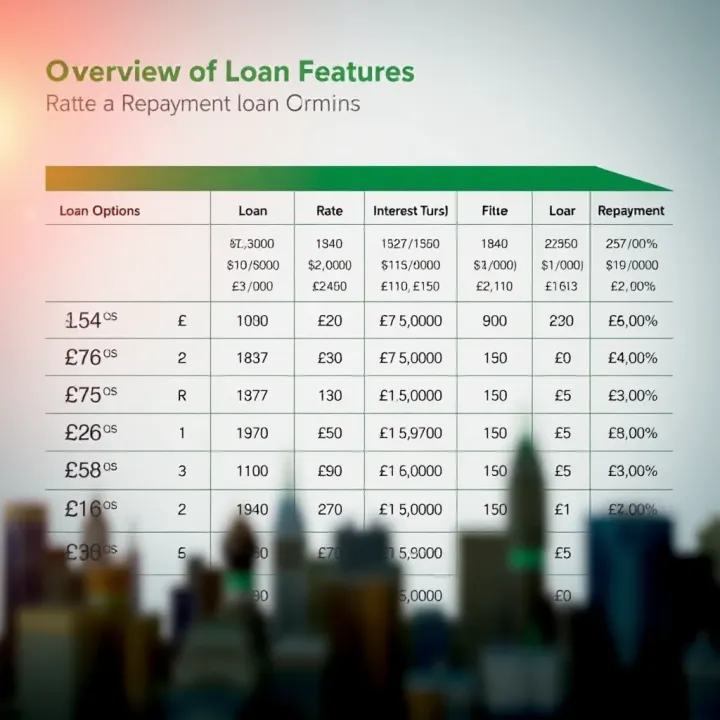
Loan options commonly range from R1,000 to about R15,000 with repayment periods stretching from two weeks up to three months. This flexibility allows borrowers to choose terms that fit their cash flow — whether to cover unexpected car repairs or cover grocery bills during tight months.
One practical tip for anyone considering an online loan through myloan.co.za is to factor in the full cost of borrowing. Don’t just look at the principal amount but also account for interest charges and initiation fees, which can add up.
Application approval often happens within hours if the documents and information check out. Funds can land directly into your account the same day, sometimes within 30 minutes, making it a go-to option when time is tight.
Still, responsible borrowing is vital. Online loans, while convenient, carry higher interest rates than traditional banking products. Avoid rolling over loans to prevent debts snowballing.
Overall, myloan.co.za offers South African borrowers an accessible path to emergency cash with a clear, user-friendly system. It’s practical for traders, financial analysts, and investors alike who might need quick liquidity options or want to understand consumer credit behaviours in digital finance.
Understanding what myloan.co.za offers is fundamental when considering online personal loans in South Africa. This platform aims to provide quick and accessible funding options primarily tailored for everyday financial needs, putting convenience and speed at the forefront. Rather than navigating complicated processes typical of traditional banks, borrowers can access loans via a digital space designed to be user-friendly and efficient.
myloan.co.za specialises in small to medium personal loans, typically ranging from about R1,500 up to R15,000. These loans focus mainly on short-term borrowing needs such as covering immediate expenses like unexpected car repairs or shortfalls before payday. Unlike home loans or vehicle finance, myloan.co.za deals with unsecured loans, meaning no collateral is required. This can appeal to users who don't want to tie up assets but do need funds rapidly.
This service targets individuals who may have limited access to traditional bank credit or who prefer the convenience of online applications. Common users include those who require quick cash to manage unexpected bills, or who might need assistance bridging the gap in their monthly expenses due to irregular income streams. Students, contract workers, and casual employees often find this platform helpful for managing short-term financial demands without the lengthy turnaround times banks typically require.
Applying on myloan.co.za involves a straightforward online form where applicants fill in personal and employment details. The process typically takes only a few minutes and can be done from any device connected to the internet. Once submitted, the platform performs an initial eligibility check and sends loan offers based on the provided information. This setup expedites approvals and funds disbursal, which usually happens within one to three business days.
The platform relies heavily on digital verification methods, which include checking identity against the Department of Home Affairs records and running affordability assessments through credit bureaus like the National Credit Regulator’s database. Electronic bank statements or proof of income uploads help verify repayment ability without the need for physical paperwork. This technology allows for faster processing and adds a layer of security to reduce fraud risks, giving both lender and borrower more confidence in the transaction.
Quick tip: Make sure your mobile and email contacts are current when applying. myloan.co.za uses these to communicate quickly and securely throughout the application.
By simplifying the loan types and making application fully online, myloan.co.za suits those needing an uncomplicated and rapid solution to short-term cash flow issues in South Africa.
Understanding who qualifies for a loan on myloan.co.za is key to navigating the application process smoothly. Eligibility criteria help set clear expectations for applicants and ensure that lending is responsible, aligning with South African credit laws. These rules protect both the lender and borrower by reducing the chances of default and over-indebtedness.
Applicants must be at least 18 years old and possess a valid South African ID document or a lawful permanent residence permit. This requirement aligns with legal standards for entering into binding contracts. The ID serves a practical purpose—not only proving age but also verifying identity to prevent fraud. For instance, when a loan applicant submits their ID, myloan.co.za cross-checks this with national databases to confirm the details are legitimate and current.
Showing proof of income is critical because lenders need assurance you can repay the loan. Typically, myloan.co.za will ask for recent payslips, bank statements, or official letters from employers. For self-employed individuals, bank statements over several months often suffice. If someone earns R10,000 a month and wants to borrow R3,000, this proof helps confirm that the monthly repayments won’t overcrowd their budget. Employment status also plays a role; full-time employees may have a steadier income than contract workers, affecting loan approval or terms.
myloan.co.za checks your credit score via one of the main credit bureaus in South Africa, such as TransUnion or Experian. This score reflects your history of borrowing and repaying debts. A good score generally increases your chances for approval and may attract better rates. Conversely, a low credit score flags higher risk, possibly leading to higher interest rates or declined applications. For example, someone continually missing credit card payments might see their application refused or limited to smaller loan amounts.
Beyond credit scores, myloan.co.za runs thorough affordability assessments. This step reviews your total monthly expenses against income to ensure repayments are manageable without causing financial strain. In practice, if you earn R12,000 a month but have high rent, transport, and monthly debt obligations, the platform will factor those in before approving a loan. This measure prevents borrowers from taking on debt they can’t realistically handle and helps maintain a healthier credit ecosystem.
Meeting these eligibility and loan criteria not only simplifies your application but safeguards your financial wellbeing by aligning borrowing capacity with real-life circumstances.
Understanding the loan options, repayment terms, and associated costs is vital for anyone considering using myloan.co.za. These elements directly affect affordability, flexibility, and the total cost of borrowing. For financial analysts, brokers, and investors alike, these factors influence risk assessment and the viability of loan products in the South African market.
myloan.co.za generally offers loans ranging from about R1,000 to R15,000, catering to short-term financial needs rather than large capital investments. This range fits borrowers who require quick cash for emergencies, covering unexpected bills, or topping up monthly budgets during loadshedding periods. Such modest loan sizes keep repayments manageable but also mean the loans are usually not suited to significant expenses like vehicle purchases or home renovations.
Repayment terms on the platform typically stretch from one month up to six months. Shorter repayment periods mean borrowers pay less interest overall, yet the monthly instalments can be higher, so budgeting becomes crucial. Longer terms reduce monthly payments but increase total interest paid. For example, a R5,000 loan over three months will demand a heftier monthly amount but cost less in interest than spreading repayments over six months. These varied terms allow borrowers to match repayment schedules to their cash flow.
Interest rates on myloan.co.za loans tend to fall within the 30% to 40% annual percentage rate (APR) bracket, reflecting the high-risk nature of unsecured, short-term lending in South Africa. Interest is typically calculated on the reducing balance, meaning borrowers pay interest only on the outstanding amount, not the full original loan. This method somewhat eases the cost burden as repayments progress. However, understanding this calculation is key for borrowers to avoid surprises and for analysts to assess lender competitiveness accurately.
Aside from interest, myloan.co.za charges administration fees that cover loan processing costs. These fees can be fixed or a percentage of the loan amount, often around 5% to 10%. For instance, a R10,000 loan might attract an upfront admin fee of R500 to R1,000. These charges are important because they add directly to the cost of borrowing and affect the effective interest rate. Borrowers need to factor them into affordability calculations, while brokers should clearly explain their impact to clients.
Failing to repay on time typically triggers penalty fees and negatively affects one’s credit record via the National Credit Regulator. Penalties might include a flat fee or a daily interest rate increase on the overdue amount. For example, a R200 penalty fee can be added per missed repayment, which rapidly inflates the total debt. Such charges emphasise the importance of timely repayment. Analysts and advisors must consider how these penalties influence borrower behaviour and potential default risks.
When examining loan offerings like those on myloan.co.za, it's essential to look beyond headline interest rates and understand the full cost breakdown including fees and penalties. This clarity ensures better decision-making and responsible lending practices in South Africa's dynamic credit market.
Understanding the risks associated with online loans and adopting responsible borrowing habits is crucial for avoiding financial pitfalls. For investors, financial analysts, and brokers advising clients, recognising these risks helps shape sound credit decisions and promotes sustainable lending practices. Borrowers who grasp the potential downsides can steer clear of trouble while leveraging loans effectively.
One of the most common risks with online loans is over-indebtedness — when a borrower takes on more debt than they can realistically repay. This often happens when individuals apply for multiple loans across platforms without a solid plan to manage monthly repayments. The result? Missed payments, default, and a worsened credit profile that can take years to recover.
In the South African context, where economic pressures can be high and access to credit widespread, lenders and borrowers alike must be vigilant. For example, a trader relying on short-term loans to manage stock purchases may find themselves stretched if sales dip unexpectedly. This underlines why thorough affordability assessments are vital before approving credit.
Online loan platforms, including myloan.co.za, face the risk of scams where fraudsters impersonate legitimate lenders or create fake sites to steal personal and financial details. This can lead to identity theft, unauthorised transactions, or blackmail.
Borrowers must verify the legitimacy of the platform they use. Check for recognised registration with the National Credit Regulator, read reviews, and be wary of unsolicited loan offers via SMS or WhatsApp. A common red flag is a lender asking upfront fees before loan approval, which reputable South African lenders do not do. Being alert and informed can protect users from falling victim to fraud schemes.
Before taking on a loan, it’s essential to create a clear budget outlining your monthly income and expenses. Factor in the repayment amount and ensure it won’t push your finances into the red. Even when borrowing from fast online lenders, missing installments can trigger penalties and damage your credit score.
This step is crucial for anyone managing variable income streams, like independent contractors or seasonal traders. By setting aside funds specifically for loan repayment each month, you reduce the risk of falling behind. Use accessible budgeting tools or spreadsheets to track this.
Loan agreements can be dense and packed with percentages, fees, and conditions that might be easy to overlook. Take your time to read through the fine print, clarifying interest rates, administration fees, repayment schedules, and penalties for late payments.
For instance, some online lenders may advertise "no hidden fees" but include higher interest rates to compensate. Being informed helps you compare options and choose the most cost-effective loan product. Always assess the total cost of the loan, not just the monthly instalment.
Responsible borrowing ensures that credit serves its purpose — as a helpful financial tool rather than a source of stress or financial hardship.
By keeping these risks and practical tips in mind, borrowers and advisors can approach online loans through myloan.co.za or other platforms with confidence and caution, aiming for healthy credit habits in South Africa’s dynamic credit environment.
Exploring alternatives to myloan.co.za is a smart move for anyone considering personal loans. While myloan.co.za offers convenience and access to quick loans, understanding other providers and resources expands your options. This helps you weigh costs, terms, and approval chances better, avoiding a one-size-fits-all approach. Access to additional financial advice and support also equips you to manage loans responsibly and avoid common pitfalls.
Local Banks and Credit Unions
Banks like FNB, Standard Bank, and Absa remain solid options for personal loans, often offering competitive interest rates and transparent terms due to tighter regulations. However, their approval criteria can be stricter, with longer processing times compared to online platforms. Credit unions, though less prominent, provide community-focused lending with potentially lower rates and flexible conditions, appealing to borrowers seeking a personalised service.
Both banks and credit unions require proof of income, identification, and often perform comprehensive credit checks. For instance, a salaried worker with a stable job might find a bank loan cheaper over time, despite a longer wait. Comparing these options with myloan.co.za helps identify whether quick access or favourable costs priority.
Direct Lenders and Brokers
Direct lenders specialise in offering loans without intermediaries. They can be online or physically based and typically provide faster approvals. While some direct lenders have straightforward terms, others might charge high-interest rates—especially for borrowers with weaker credit histories. Always check their National Credit Regulator (NCR) registration to avoid scams.
Brokers act as middlemen, connecting borrowers to multiple lenders, aiming to find the best deal based on your profile. They offer the convenience of comparing many loan offers in one place but may charge a fee or earn commission from lenders. Using brokers can save time and clarify complex offers, but it's crucial to ensure they operate transparently to prevent misunderstandings or hidden costs.
Non-profit Counselling Services
Non-profit organisations like the National Debt Mediation Association (NDMA) or the Money Management Programme offer free or low-cost counselling to South Africans struggling with debt or budgeting. Their experts can help assess your financial situation, draft realistic repayment plans, and educate you on managing debt sustainably.
These services are valuable when considering loans, especially online ones with quick approvals and fees. Seeking advice beforehand prevents over-commitment and the all-too-common trap of juggling multiple debts. They also sometimes negotiate with creditors on your behalf, easing pressure during tough financial periods.
SARS and National Credit Regulator Guidelines
The South African Revenue Service (SARS) and the National Credit Regulator (NCR) provide rules and guidance critical for borrowers and lenders alike. The NCR enforces the National Credit Act, which protects consumers against unfair lending practices and unreasonable interest rates. Understanding these guidelines helps you identify legitimate lenders and know your rights regarding disclosures, contract terms, and collections.
Meanwhile, SARS impacts borrowers through tax rules – for example, claiming tax deductions on loan interest isn’t typically allowed for personal loans. Knowing this prevents surprise tax bills. Checking NCR guidelines and SARS requirements equips you to make informed loan decisions and avoid penalties.
Gauging the full loan landscape, including alternatives and trusted resources, is key to making sound borrowing choices in South Africa’s dynamic financial environment.
Discover how online brokers work in South Africa 🇿🇦, learn how to pick the right one, understand fees, regulations, and avoid common risks 📈💡

💹 Discover how to trade forex online safely in South Africa with insights on platforms, strategies, R regulations, and currency trends for local traders.

💡 Understand binary trading basics, risks, and strategies tailored for South African traders. Learn about options, regulations, and how to trade safely in SA markets.

📈 Learn what day trading means for South African investors, the key skills, tools, risks, rewards & how local market factors shape your trading choices effectively.
Based on 6 reviews