

RCG Markets Review: Trading Services Explored
📊 Explore RCG Markets with our detailed review—covering regulation, platforms, account types, fees & support to guide South African traders confidently.
Edited By
Sophie Llewellyn
Vault Markets has recently drawn attention as an option for trading digital assets, especially among South African traders keen to diversify beyond traditional financial products. Yet, in a space crowded with platforms promising high returns and low fees, it’s vital to separate solid competitors from untrustworthy operations.
This section aims to set the scene by outlining what traders and investors should look for when assessing Vault Markets’ legitimacy. It balances regulatory status, security protocols, and user experience alongside practical considerations specific to South African users.
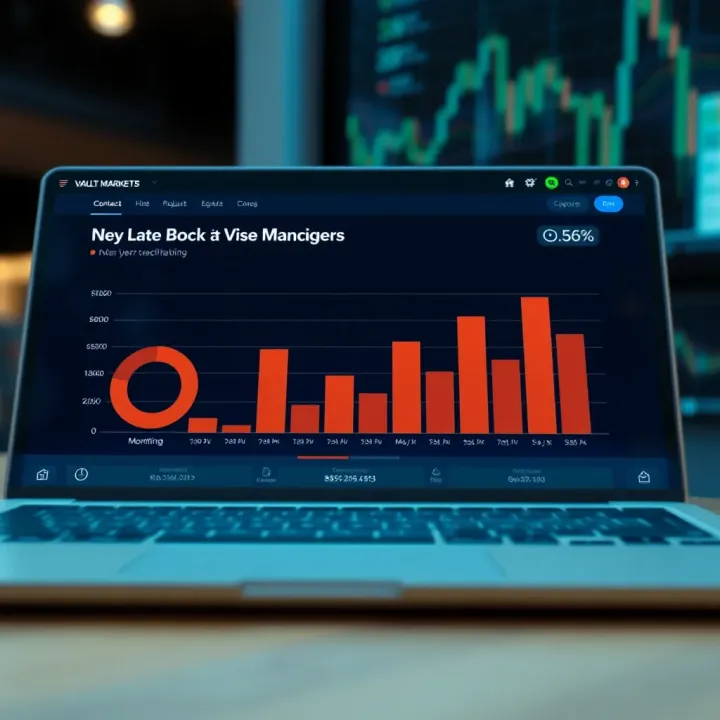
Trading digital assets brings significant risks, partly because the industry remains loosely regulated in many jurisdictions. South Africans, in particular, must navigate compliance requirements such as the Financial Intelligence Centre Act (FICA) when onboarding with platforms. Without clear legitimacy, users risk exposure to fraud, fund lockouts, or data breaches.
Regulatory Compliance: Vault Markets’ registration status and adherence to international and South African regulatory frameworks.
Security Measures: How Vault Markets protects users’ funds and personal information through technology and policies.
User Experiences: What feedback from current users reveals about reliability, customer service, and transaction transparency.
We’ll dig into Vault Markets’ regulatory footprint, highlighting licences and oversight to gauge if it meets South African standards. Next, the platform’s security architecture will be reviewed, including encryption and cold storage tactics. Finally, real user reports will help uncover any practical issues or advantages from daily trading.
Grasping Vault Markets’ legitimacy is about understanding both the formal structures it operates under and its real-world reliability for everyday users.
This groundwork ensures South African traders can make informed decisions, staying clear of poorly regulated or dubious platforms while seizing genuine opportunities.
Getting a good handle on what Vault Markets offers is key for anyone considering it for trading or investing. This section digs into what Vault Markets actually is, the range of assets you can trade, and who the platform is built for. Knowing these helps you decide if it fits your goals and risk appetite.
Vault Markets operates as an online trading platform that allows users to buy and sell digital assets with relative ease. Unlike traditional stockbrokers, it focuses heavily on cryptocurrencies such as Bitcoin and Ethereum, but also includes fiat currency pairs for forex trading. The platform is web-based, accessible on desktop and mobile, which suits traders who need flexibility.
One thing that stands out is its user interface. It balances enough complexity for experienced traders without scaring off novices. For instance, the charts come with basic technical indicators and you can set stop-loss orders easily, which is handy when managing volatile crypto markets.
Vault Markets doesn’t just stop at crypto. You can also trade forex pairs, commodities like gold and oil, and even indices that track market sectors. This broad offering gives traders the chance to diversify within one platform, which is practical for managing risk.
Trading options include spot trading, where you buy or sell assets at current prices, and CFD (contract for difference) trading, which lets you speculate on price changes without owning the underlying asset. This is particularly useful for those wanting to profit from price drops.
For example, if you reckon the rand might weaken against the US dollar, you could open a short CFD position without needing actual dollars. This flexibility is a drawcard for active traders looking to capitalise on market swings.
Vault Markets targets a range of users: from beginners testing the waters of digital trading, to seasoned investors managing a mixed portfolio. Its account setup process includes standard verification steps to comply with Know Your Customer (KYC) rules, which adds a layer of security common in regulated markets.
South African traders benefit from the platform’s multilingual support and payment options tailored for the local context, such as EFT deposits from major banks. However, it’s crucial to be aware that crypto trading carries risks, including high volatility and regulatory uncertainty. So, Vault Markets best suits those with a clear understanding of these factors and a risk appetite to match.
Understanding what Vault Markets offers and who uses it helps clarify if it meets your trading needs and aligns with your investment style.
Overall, by exploring these points, you get a practical grounding in Vault Markets’ place in the trading world and how it stacks up for South African users specifically.

Regulatory status plays a fundamental part in assessing whether a trading platform like Vault Markets is trustworthy. Compliance checks ensure the company operates within legal frameworks designed to protect traders and investors, especially in regions with specific financial rules like South Africa. Being regulated means that a platform must meet certain standards, which help reduce fraud risk and provide users with a clearer avenue for recourse should issues arise.
Vault Markets’ legitimacy can often be gauged by the types of licences it holds and who oversees its activities. For example, brokers operating in South Africa typically require authorisation from the Financial Sector Conduct Authority (FSCA). Platforms regulated internationally often seek licences from bodies like the UK’s Financial Conduct Authority (FCA) or Australia’s Australian Securities and Investments Commission (ASIC). These licences oblige the platform to follow strict operational, reporting, and capital adequacy rules.
If Vault Markets operates without clear regulatory backing relevant to its markets, it may expose users to increased risks such as lack of protection against insolvency or unfair trading practices. Conversely, valid licencing provides a level of oversight and audit that demands transparency and responsibility from the broker.
Compliance is more than just securing licences. Vault Markets must also manage anti-money laundering (AML) and combating the financing of terrorism (CFT) regulations, including client due diligence and transaction monitoring. In South Africa, this is enforced through the Financial Intelligence Centre Act (FICA), which requires platforms to verify identities before allowing trading.
A practical example involves Vault Markets implementing Know Your Customer (KYC) procedures that ask users to upload ID documents and proof of address. This helps prevent fraudulent accounts and supports the broader fight against illicit financial activities. For South African traders, being able to complete these steps smoothly is a sign the platform understands and respects local rules.
Beyond South Africa, Vault Markets would benefit from aligning with global standards governed by organisations like the International Organisation of Securities Commissions (IOSCO). This ensures consistent user protections across jurisdictions.
The regulatory backing and compliance practices a platform follows directly impact user protection. Platforms monitored by regulators often have mechanisms in place such as client fund segregation, which keeps trader money separate from company funds, reducing risk during financial distress. Additionally, regulated brokers are usually obliged to maintain minimum capital levels to meet potential losses.
Another key user protection is dispute resolution. If Vault Markets is under a regulatory authority, the body typically provides an avenue for complaints, offer mediation and enforce remedies. Without this, users might find themselves dealing only with the platform’s internal systems, which may not be impartial.
When choosing any trading platform, look for clear regulatory information and evidence of compliance - this is your first line of defence against fraud and malpractice.
Overall, for South African traders, Vault Markets’ regulatory status and compliance efforts are vital markers of its legitimacy and reliability. These factors offer peace of mind and legal safeguards often missing on unregulated platforms.
Protecting user assets and personal data is a fundamental concern for any trading platform, especially in the volatile world of digital assets. Vault Markets recognises this and implements several security layers designed to safeguard its users from common threats like theft, hacking, and data breaches.
Vault Markets employs robust financial security strategies to protect client funds. One key measure is segregating user funds from the company’s operational accounts. This separation means even if Vault Markets faces financial difficulties, client funds remain untouched and accessible. They also use multi-signature wallets, requiring multiple approvals before transactions execute, which cuts down the risk of unauthorised withdrawals.
For daily operations, Vault Markets relies on cold storage solutions for the majority of clients’ digital assets. Cold storage means keeping cryptocurrencies offline, away from internet access, reducing exposure to online hacks. Meanwhile, only a small portion of assets remain in ‘hot wallets’ to facilitate quick trades and withdrawals.
Beyond financial security, Vault Markets puts great emphasis on protecting user data. They comply with applicable privacy regulations and incorporate strong encryption protocols for data transmission and storage. All sensitive information like login credentials and payment details undergo encryption both in transit and at rest.
The platform also practices data minimisation by collecting only essential information during registration and verification, reducing risk exposure in case of any breach. Additionally, their privacy policy clearly outlines how data is used and under which circumstances it might be shared, giving users transparency and control.
A frequent worry among traders is phishing attacks and unauthorised account access. Vault Markets has implemented two-factor authentication (2FA) to bolster login security. This extra step requires users to verify their identity through a secondary device or app, significantly decreasing risk from stolen passwords.
Moreover, suspicious activity monitoring is actively in place. If unusual login patterns or withdrawals occur, Vault Markets can temporarily freeze the account and prompt verification steps to prevent potential fraud.
The combination of these security protocols means Vault Markets actively works to shield traders’ assets and personal information, providing peace of mind in the often uncertain environment of digital trading.
In summary, Vault Markets takes practical and well-established steps to secure both funds and data. For South African investors accustomed to concerns over cyber theft and identity fraud, these measures can make a real difference when choosing a reliable trading platform.
User experiences and independent reviews offer valuable glimpses into how Vault Markets performs beyond the claims on its website or official communications. For traders and investors, this feedback sheds light on real-life usability, customer service, and potential pitfalls that formal descriptions often miss. It’s worth remembering that no platform is perfect, but patterns in reviews can signal whether Vault Markets is generally trustworthy or if caution is warranted.
Many users praise Vault Markets for its straightforward interface and relatively low fees compared to some other digital trading platforms. For example, a Gauteng-based trader noted the platform’s swift execution speeds, which matter when market moves can be sudden and costly. Others highlight Vault Markets’ educational resources that help beginners get a grip on digital asset trading basics without feeling overwhelmed.
Clients also frequently compliment the responsiveness of customer support, mentioning that queries, like withdrawal issues or account verification, tend to be resolved quickly – an area where many platforms stumble. In terms of security, positive reviews often mention the visible use of two-factor authentication and clear communication around data privacy, which gives users peace of mind amid concerns about cyber threats.
That said, some users report delays in withdrawal times, notably when using less popular cryptocurrencies or during busy market periods. Others flag occasional glitches in the mobile app that affect charting tools or order placement, although these tend to be temporary. A few reviews mention difficulty in verifying accounts, mainly when documents don’t meet exact standards, which can frustrate new users trying to start trading quickly.
Additionally, it's worth noting complaints around unclear fee structures for certain trading options, making it essential for new users to scrutinise terms closely before committing.
When considering Vault Markets’ legitimacy through user reviews, it’s crucial to approach them with a critical eye. First, check for the date — newer reviews better reflect current platform conditions, especially if recent updates could have fixed earlier issues. Look for balanced feedback that lists both pros and cons; overly positive or overwhelmingly negative pieces without specifics can be less reliable.
Beware of reviews that seem generic or lack personal detail, as they might be paid or automated submissions. Also, compare reviews across multiple independent forums and social media channels to get a broader sense of user sentiment. Remember that individual experiences vary, but trends matter most.
Always weigh user feedback together with official data on compliance and security rather than rely on it alone.
Ultimately, user reviews are one piece of the puzzle when judging Vault Markets’ trustworthiness. They complement the platform’s technical features and regulatory standing, helping you decide if it fits your trading needs in the South African context.
When looking into Vault Markets, it helps to see how it stacks up against other trading platforms both in South Africa and globally. Comparing platforms goes beyond just fun curiosity; it clarifies how competitive Vault Markets is in terms of fees, features, and support. For South African traders, knowing these differences becomes practical — it affects costs, user experience, and access to local services.
Vault Markets typically focuses on digital assets and derivatives, offering a distinct suite of trading options. Comparing fees, Vault Markets charges relatively competitive rates but it’s worth noting that platforms like EasyEquities or Plus500 might offer lower fees for stock trading or CFD (contract for difference) options. Vault Markets, on the other hand, often appeals to traders wanting exposure to cryptocurrencies and complex products.
Feature-wise, Vault Markets provides tight spreads and allows for margin trading, but global players such as Binance or Kraken have a broader range of cryptocurrencies and often more advanced charting and analysis tools. In terms of customer support, Vault Markets offers responsive service, but its focus tends to be on digital communication channels. Local platforms might provide better integration with domestic payment methods like EFT (electronic funds transfer), making deposits and withdrawals smoother for SA users.
Fees and features aren’t the whole story — the practical value of local support and ease of payment can tip the scales for many South African traders.
For traders in South Africa, Vault Markets has some clear plus points. It accepts ZAR deposits and is mindful of compliance with local regulations such as FICA (Financial Intelligence Centre Act) checks, simplifying onboarding. This is not a given with every international platform, where converting currency or meeting documentation requirements can be trickier.
However, loadshedding and internet speed variability in South African provinces can affect connectivity; Vault Markets operates mostly online, so traders must have reliable internet. Compared to local offerings like ICE³X (still active in some circles) or global giants, Vault Markets tends to be an option for more experienced users looking for more speculative trades rather than just buying and holding.
If Vault Markets doesn’t seem quite right, traders can weigh other options. South Africans often look at:
EasyEquities: Great for beginners wanting to invest in stocks and ETFs with a simple interface.
Luno: Well-known for crypto trading with ZAR support and local payment options.
Binance: Global powerhouse with a massive asset catalogue, although navigating verification can be a bit complex.
Plus500: Offers CFDs with competitive fees but is more focused on forex and stocks than cryptocurrencies.
Choosing the best platform comes down to your trading style, asset preference, and how much you value localised support versus wider global options.
In the end, comparing Vault Markets with local and international platforms gives you a clearer picture of where it fits in your trading toolkit. Whether it’s fee structure, available assets, or ease of access for South African traders, a sensible comparison saves you time and money in the long run.
📊 Explore RCG Markets with our detailed review—covering regulation, platforms, account types, fees & support to guide South African traders confidently.

🔍 Explore TD Markets in detail: trading platforms, accounts, fees, regulation, support, and education. Perfect for South African traders to decide wisely!

Explore Squared Financial's unique services, security protocols, fee details, and its role in South Africa's financial sector. Learn what to consider before joining 💼📊

📊 Learn how derivative leverage lets South African investors control big market positions with small capital, weighing risks, rewards, and local regulations wisely.
Based on 8 reviews